


In the camp at Uccialli (Wuchale), on 2 May 1889 — 25 Miazia 1881 in the Ethiopian calendar — Count Pietro Antonelli, extraordinary envoy of Umberto I, and Menelik II, King of Kings of Ethiopia, stipulating in his own name, signed and sealed a treaty of friendship and commerce in twenty articles, in Italian and Amharic. The emperor ratified it at Monza on 29 September 1889; the decree of execution, signed by Francesco Crispi, is dated Rome, 10 April 1890.
Article 1 proclaims perpetual peace and constant friendship between the King of Italy and the King of Kings, their heirs, subjects and protected populations. Article 2 allows a diplomatic agent, consuls and consular agents, with the immunities customary among European governments. Article 3 draws the boundary along the highland line: Halai, Saganeiti and Asmara remain Italian villages; Adi Nefas and Adi Joannes, on the Bogos side, likewise; from Adi Joannes an east–west straight line marks the limit. Article 4 leaves the monastery of Debra Bizen, with all its possessions, to the Ethiopian government, never for military use. Article 5 lays a single customs duty of 8 per cent of value, on Ethiopian territory, on caravans to or from Massawa. Article 6 reserves the trade in arms and munitions through Massawa to the King of Kings alone, on a request bearing the royal seal, under Italian escort to the frontier.
Article 7 opens free movement of persons and goods, but forbids armed bands to cross the frontier to impose food and cattle on the inhabitants. Articles 8–9 give the same property rights as natives and freedom of religion. Article 10 tries disputes among Italians at Massawa; Italo-Ethiopian ones by an Italian delegate and an Ethiopian one. Article 11 keeps a deceased person’s property for his own government. Article 12: Italians are judged by Italian authority, Ethiopians by Ethiopian; Article 13 provides for extradition. Article 14, invoking the principles of the Christian religion, binds the King of Kings to prevent with all his power slave caravans from crossing his States. Article 15 extends the treaty over the whole Ethiopian empire. Article 16 allows amendments after five years, with a year’s notice, but territorial concessions remain firm. Article 18 prefers Italians, other things equal, if Ethiopia grants commercial or industrial privileges to a third State. Article 20 requires ratification.
Article 17, in the published Italian text, states that the King of Kings “consente di servirsi” of the Government of the King of Italy for all business he might have with other powers or governments. The Amharic version later cited uses a permissive formula: he may (ይቻላቸዋል) avail himself of Italy. Article 19 claims that the two redactions agree perfectly and carry equal faith. The divergence over Article 17 was treated by Italy as a protectorate; Ethiopia held it as an option.
The treaty is not the Treaty of Addis Ababa of 1896, concluded after Adwa. The signatories at Uccialli are not Umberto I in person: the instrument names Antonelli, whose full powers were found in due form, and Menelik II, in his own name, with the imperial seal.
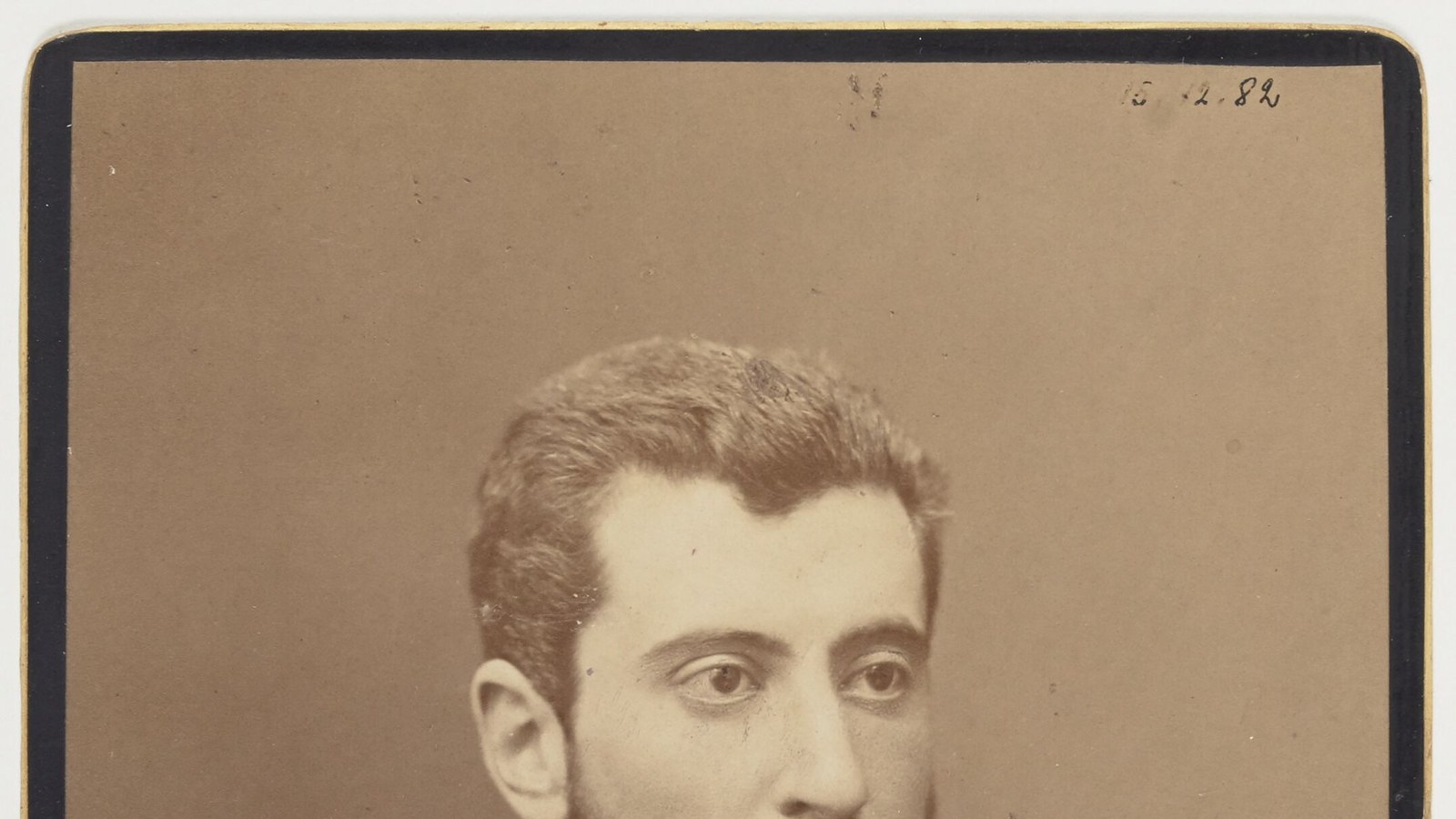
Image: Pietro Antonelli, Italian plenipotentiary at Uccialli; photograph Fratelli d'Alessandri, 1882, Bibliothèque nationale de France, public domain, Wikimedia Commons. Cropped to 16:9.
Source consulted: Treaty of Wuchale. Treaty text: Wikisource: Treaty of Uccialli, 2 May 1889.











0 Comments
No comments on this article yet. Be the first!