


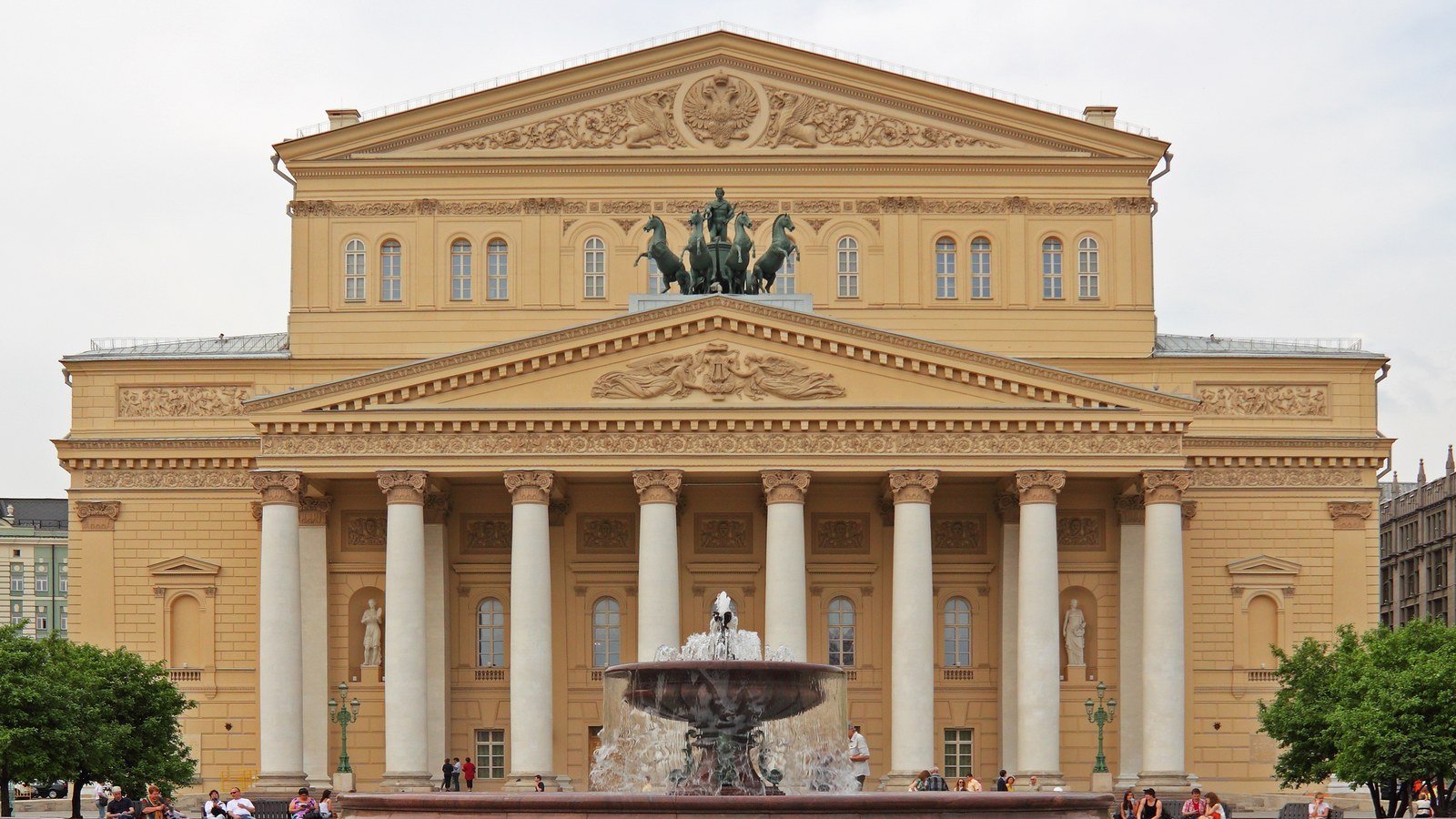
On 30 December 1922, in Moscow, the plenipotentiary delegations of the Russian SFSR, the Ukrainian SSR, the Byelorussian SSR and the Transcaucasian SFSR (Georgia, Azerbaijan and Armenia) signed the Declaration and Treaty on the Formation of the Union of Soviet Socialist Republics. The previous day a conference of those delegations had adopted the texts. The same day the First All-Union Congress of Soviets ratified them. Language of the original: Russian. Recognized heads of delegations among the signatories included Mikhail Kalinin (RSFSR), Grigory Petrovsky (Ukraine), Alexander Chervyakov (Byelorussia) and Mikhail Tskhakaya (Transcaucasia).
The Treaty, after a preamble, has 26 articles. Article 1 places within the competence of the Union’s supreme organs external representation, alteration of frontiers, admission of new republics, war and peace, foreign loans, ratification of treaties, trade, the economic plan, transport and posts, the armed forces, the budget and currency, land principles, the judiciary, labour, education, health, weights and measures, and the power to veto acts of the republics’ congresses, central executive committees and councils of people’s commissars that infringe the Treaty.
Articles 2 to 10: the supreme authority is the Union Congress of Soviets and, between congresses, the Union Central Executive Committee (371 members, in proportion to population). Delegates: one for every 25,000 electors in towns and one for every 125,000 inhabitants at provincial congresses. An ordinary Congress once a year. A Presidium of 19 members, with four chairmen, one for each founding republic. Article 11: the Union Council of People’s Commissars, with commissariats for foreign affairs, war, foreign trade, transport, posts, inspection, labour, food and finance, and the Chairman of the Supreme Economic Council.
Article 12: a Supreme Court attached to the Central Executive Committee, and in the Council of People’s Commissars a section of the State Political Department, whose chairman sits in an advisory capacity. This is not a handbook of political policing. Article 13: decrees of the Union Council are binding throughout the Union. Article 14: publication in Russian, Ukrainian, White Russian, Georgian, Armenian and Turkish (Azerbaijani). Articles 15 to 17: republican protests do not suspend execution, except in cases of clear conflict with Union decisions, with immediate notice.
Article 18: each republic keeps its own commissariats (agriculture, home affairs, justice, education, health and others) and advisory representatives of the Union commissariats for foreign affairs, war, foreign trade, transport and posts. Article 20: republican budgets form part of the Union budget, approved by the Union Central Executive Committee. Article 21: a uniform civilian status. Article 22: flag, arms and seal. Article 23: the capital shall be Moscow. Article 24: the republics shall amend their constitutions. Article 25: only the Union Congress may alter the Treaty. Article 26: each united republic retains full liberty to leave the Union.
The Constitution of January 1924 took over the Declaration and Treaty; it is not this day’s instrument. On 8 December 1991 the Belovezha Accords, signed by Russia, Ukraine and Belarus, denounced the founding treaty; the Supreme Soviet recorded the dissolution on 26 December 1991.
The Bolshoi Theatre, Moscow, the place of the First All-Union Congress of Soviets, not the hall where the delegations signed. Wikimedia Commons, free licence.
For context: Treaty on the Creation of the Union of Soviet Socialist Republics. The text: Treaty on the Creation of the Union of Soviet Socialist Republics.









0 Comments
No comments on this article yet. Be the first!