


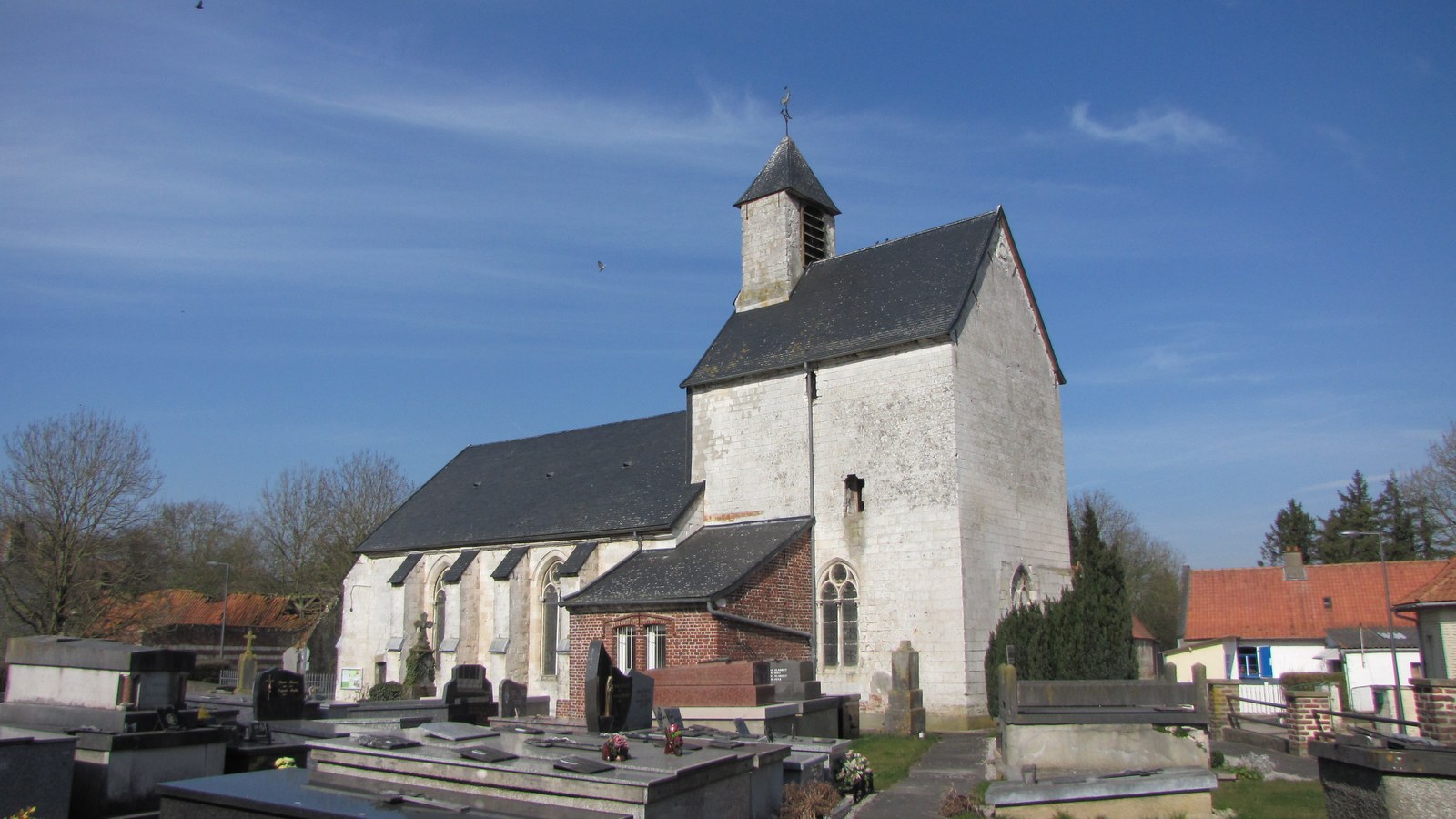
At Leulinghem, on 18 July 1389, a three-year truce between Richard II of England and Charles VI of France came into force. The village sits on the line of the Pale of Calais. The June talks were led by the uncles: John of Gaunt, duke of Lancaster, and Thomas of Woodstock, duke of Gloucester, facing Philip the Bold, duke of Burgundy, and John of Berry. The text is in French. It is not a final peace: homage for Aquitaine remains open.
The act is not the nine-month truce of 1384, nor the Treaty of Brétigny of 1360, nor the 1393 conference, nor the two kings’ personal meeting of 1396, nor the Treaty of Troyes. Portugal, Ghent and Guelders stand with England; Castile and Scotland with France.
The instrument covers Guyenne and the lands this side of the Loire. No town or fortress is to be built or repaired within seven leagues of a place of the other party, without leave. Calais remains English. The June peace draft offered the rest of Aquitaine except Poitou, an indemnity of 1.5 million francs and the keeping of Calais, against the King of England’s homage; the Commons later refused that package.
The three-year truce is not the 27-year extension, nor the 800,000-franc dowry, nor Richard’s marriage to Isabella, Charles’s daughter, all of 1395–1396. It is not the Nicopolis crusade. It is not the evacuation of Brest and Cherbourg, paid separately by the local nobility.
The English parliament rejected a peace with homage, fearing England would look like a client. The French government, with Philip of Burgundy at its head while Charles was incapacitated, accepted quickly. The truce opened the longest interval without major fighting between the two crowns in the Hundred Years’ War, until the breach of 1402–1403.
The July act is not Henry IV’s later seizure of the throne, nor the French landing in Wales in 1403, nor the Peace of Picquigny.
Image: the church at Leulinghem, 24 February 2011; Sophie Léger, Wiki Pas-de-Calais, CC BY-SA 3.0, Wikimedia Commons. Cropped to 16:9. The village sits on the line of the Pale of Calais.
Source consulted: Truce of Leulinghem. Treaty text: Henri Moranvillé, Conférences entre la France et l'Angleterre (1388–1393), BEC 50 (1889).










0 Comments
No comments on this article yet. Be the first!