


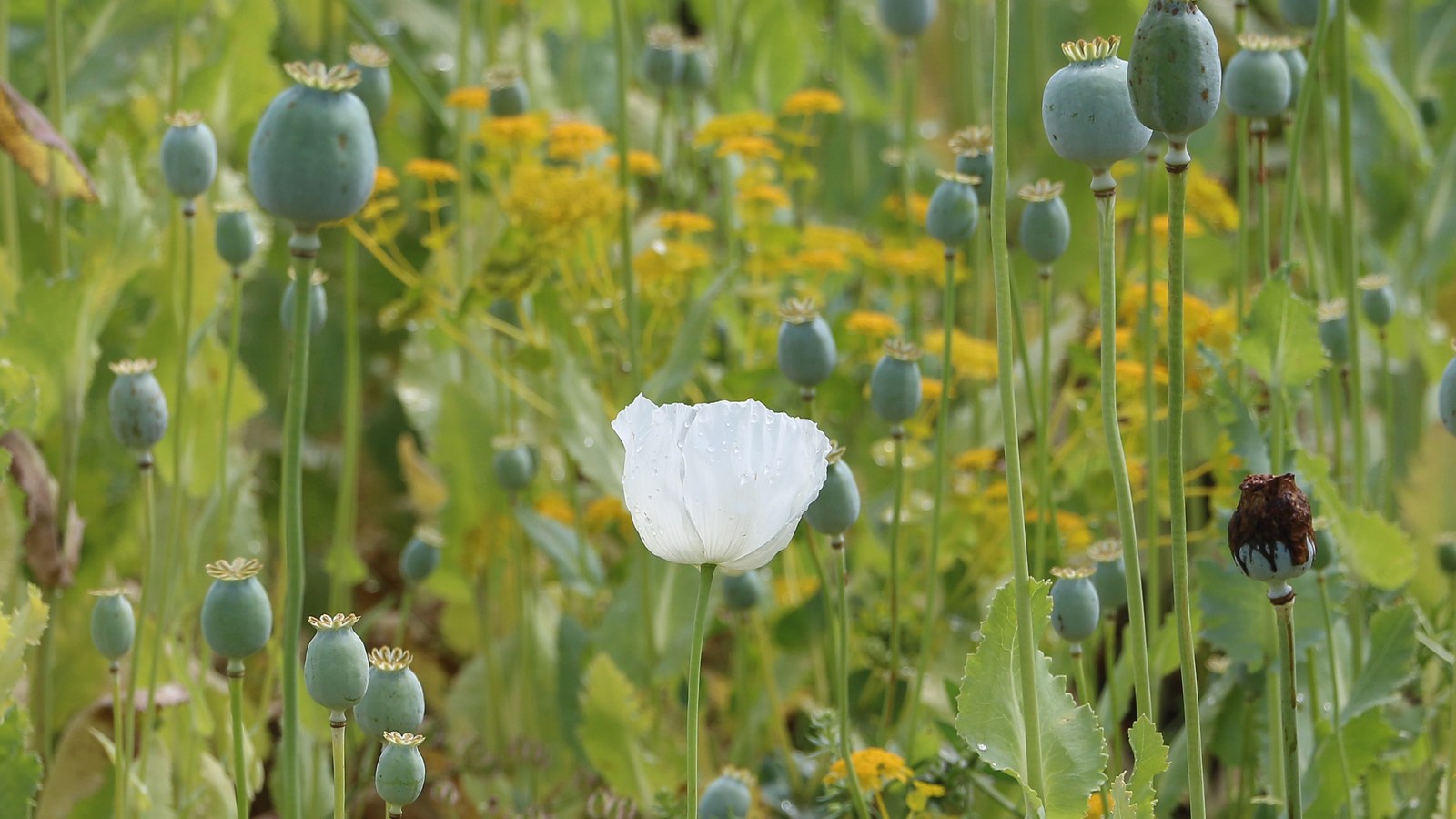
On 23 June 1953, in New York, the Protocol for Limiting and Regulating the Cultivation of the Poppy Plant, the Production of, International and Wholesale Trade in, and Use of Opium is opened for signature — the UN instrument tightening control over medical opium.
The Protocol requires opium production to be reserved for medical and scientific needs, with limited stocks and a licensing regime for poppy cultivation. It complements the later 1961 Single Convention on Narcotic Drugs (which supersedes it for many states).
Adopted in the postwar international drug-control context, it responds to excess opium on illicit markets and pressure for stricter cultivation control.
Entry into force: 8 March 1963. For a time it was a pillar of the UN narcotics regime before the 1961 unification.
For international drug law, 23 June 1953 marks a step toward limiting poppy cultivation to licit purposes.
The official text is on the United Nations Treaty Collection, Chapter VI.
The Protocol of 23 June 1953 remains a milestone of UN opium control before the 1961 Single Convention.
Image: poppy / UN; Wikimedia Commons. Cropped to 16:9.
Source consulted: 1953 Opium Protocol. Treaty text: Protocol for Limiting and Regulating the Cultivation of the Poppy Plant… (UNTC VI-14).











0 Comments
No comments on this article yet. Be the first!