



On 23 May 2008, in Brasília, the twelve South American states sign the Constitutive Treaty of the Union of South American Nations (UNASUR) — the act creating the intergovernmental continental union.
Signatories: Argentina, Bolivia, Brazil, Chile, Colombia, Ecuador, Guyana, Paraguay, Peru, Suriname, Uruguay and Venezuela. The depositary is the Government of Ecuador; official languages are Spanish, Portuguese, English and Dutch.
The treaty defines organs, legal personality, finances and accession/withdrawal rules. It enters into force on 11 March 2011, thirty days after the ninth ratification.
In November 2010 an additional protocol adds a democratic clause after the attempted coup in Ecuador. Later several states left or froze participation amid the regional crisis.
UNASUR aimed at political coordination, infrastructure and defence as an alternative to Washington-led hemispheric models.
The constitutive text appears on Wikisource and in the diplomatic archives of the founding members.
The Constitutive Treaty of 23 May 2008 remains UNASUR’s founding act, whatever the organisation’s later fate.
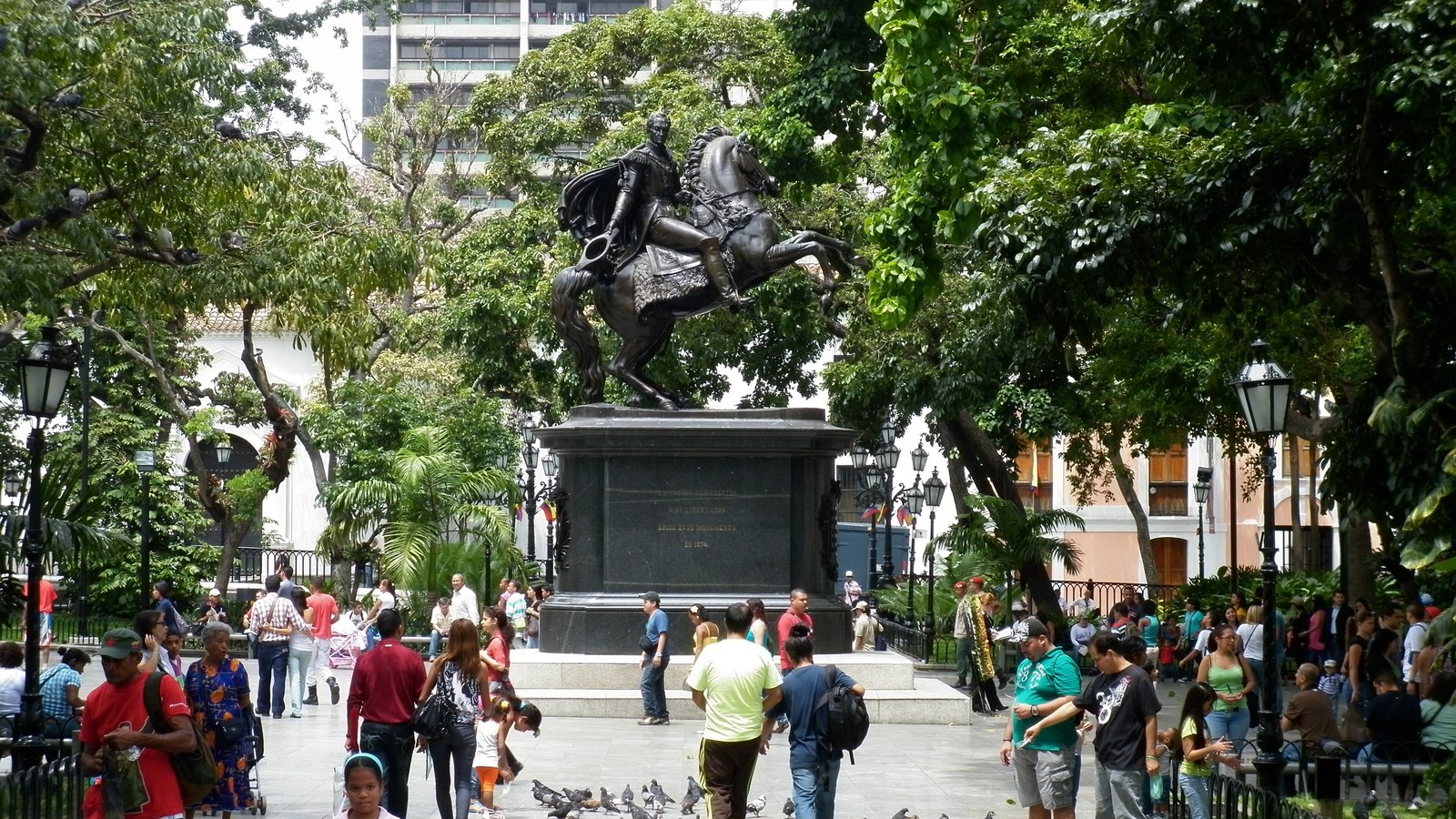
Image: Brasília; Wikimedia Commons. Cropped to 16:9.
Source consulted: UNASUR Constitutive Treaty. Treaty text: Constitutive Treaty of UNASUR (Wikisource).










0 Comments
No comments on this article yet. Be the first!