


On 14 November 1970, in Paris, the General Conference of UNESCO, at its sixteenth session (12 October–14 November), adopted the Convention on the Means of Prohibiting and Preventing the Illicit Import, Export and Transfer of Ownership of Cultural Property. Four equally authentic texts: English, Spanish, French and Russian. Depositary: the Director-General of UNESCO. It is not the 1954 Hague Convention on cultural property in armed conflict, not the 1972 World Heritage Convention and not the 1995 UNIDROIT Convention.
The preamble: interchange of cultural property for scientific, cultural and educational purposes enriches the cultural life of all peoples; true value can be appreciated only with the fullest possible information regarding origin, history and traditional setting; every State is to protect cultural property within its territory against theft, clandestine excavation and illicit export; museums, libraries and archives should build collections in accordance with universally recognized moral principles. The UNESCO Recommendation of 1964. Article 1: “cultural property” means property specifically designated by each State as being of importance for archaeology, prehistory, history, literature, art or science and belonging to the listed categories — from rare collections of fauna and palaeontology to antiquities more than one hundred years old, ethnological objects, original works, manuscripts, archives and old musical instruments.
Article 2: illicit import, export and transfer of ownership impoverish the cultural heritage of the countries of origin; international co-operation is one of the most efficient means of protection; the Parties undertake to oppose such practices, to remove their causes and to help make the necessary reparations. Article 3: import, export or transfer of ownership effected contrary to the provisions adopted by the Parties shall be illicit. Article 4: the cultural heritage of each State includes property created by the genius of its nationals or within its territory, property found there, property acquired with the consent of the authorities of the country of origin, freely agreed exchanges, and gifts or purchases made legally.
Article 5: national services — legislation, an inventory of property whose export would constitute an appreciable impoverishment of the national heritage, museums and laboratories, supervision of excavations, rules for curators, collectors and antique dealers, education. Article 6: an export certificate accompanying the item; prohibition of export without the certificate; publicity. Article 7: museums shall not acquire property illegally exported after the Convention’s entry into force; prohibition of the import of property stolen from a museum, public monument or similar institution and documented in its inventory; at the request of the State of origin, recovery and return through diplomatic offices, with just compensation to an innocent purchaser; expenses borne by the requesting Party. Article 8: penalties or administrative sanctions for infringing articles 6(b) and 7(b).
Article 9: a State whose cultural patrimony is in jeopardy from pillage of archaeological or ethnological materials may call upon other Parties to a concerted international effort, including control of exports, imports and commerce; provisional measures pending agreement. Article 11: export and transfer of ownership under compulsion arising from occupation by a foreign power shall be regarded as illicit. Article 21: entry into force three months after the third instrument. The United Nations Treaty Series records 24 April 1972, No. 11806, volume 823, p. 231 (Ecuador, Bulgaria, Nigeria). Article 23: denunciation taking effect twelve months later. Current party counts are not given here.
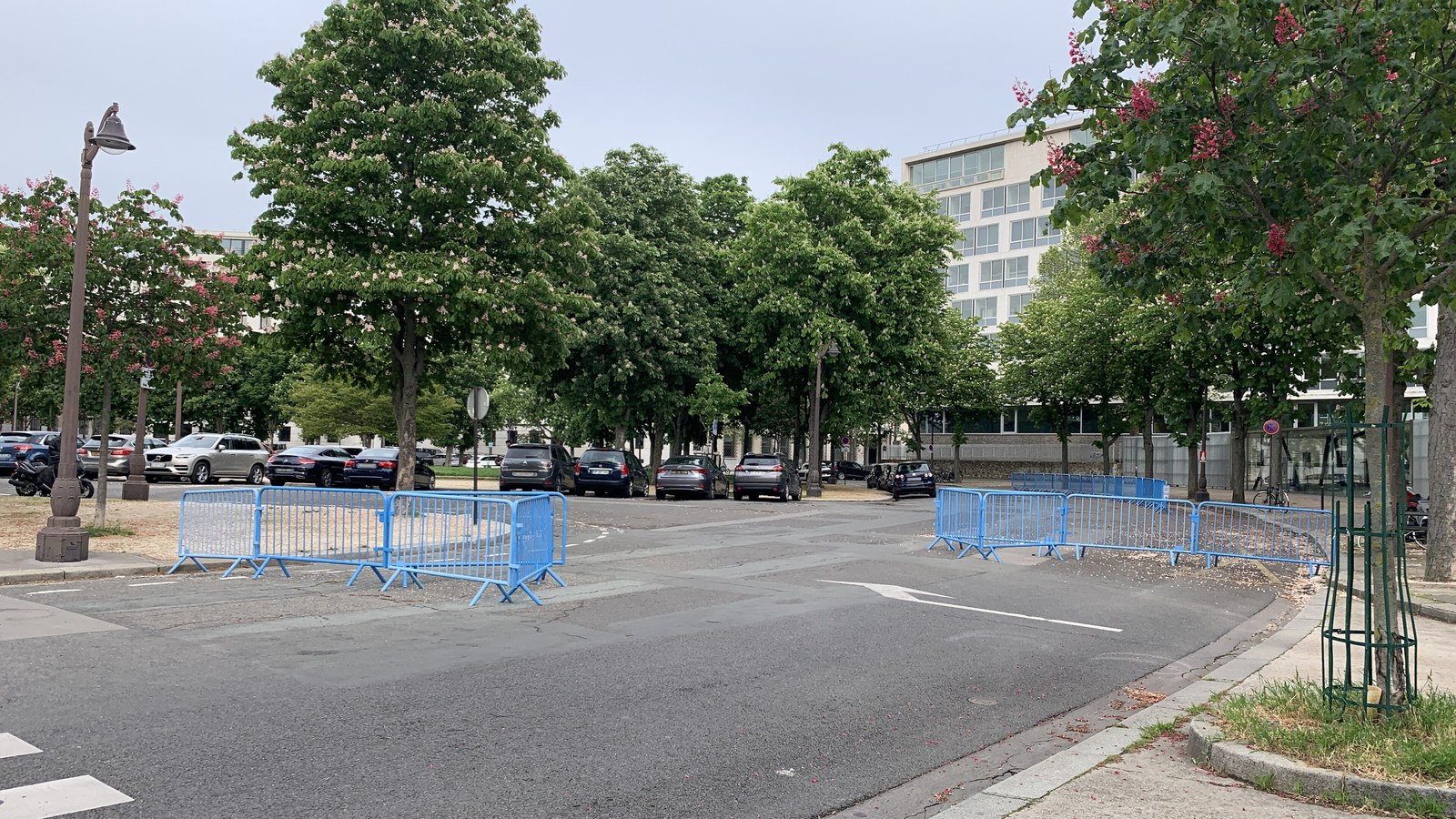
UNESCO Headquarters, Place de Fontenoy, Paris. Seat of the General Conference, not a confirmed photograph of the vote. Wikimedia Commons, CC BY-SA 4.0.
For context: UNESCO 1970 Convention. The text: UNTS vol. 823, p. 231, No. 11806.











0 Comments
No comments on this article yet. Be the first!