


At Washington, the United States of America and the Republic of China conclude on 11 January 1943 a treaty for the relinquishment of extraterritorial rights in China and the regulation of related matters. The plenipotentiaries are Cordell Hull, Secretary of State of the United States of America, and Wei Tao-ming, Ambassador Extraordinary and Plenipotentiary of the Republic of China to the United States of America. The parties are desirous of emphasizing the friendly relations which have long prevailed between their two peoples and of manifesting their common desire as equal and sovereign States that the high principles in the regulation of human affairs to which they are committed shall be made broadly effective.
Article I abrogates all those provisions of treaties or agreements in force which authorize the Government of the United States of America or its representatives to exercise jurisdiction over nationals of the United States of America in the territory of the Republic of China. Nationals of the United States of America in such territory shall be subject to the jurisdiction of the Government of the Republic of China in accordance with the principles of international law and practice.
Article II considers that the Final Protocol concluded at Peking on 7 September 1901 between the Chinese Government and other governments, including the Government of the United States of America, should be terminated, and agrees that the rights accorded to the United States under that Protocol and under agreements supplementary thereto shall cease. The United States will cooperate in reaching any necessary agreements with other governments concerned for the transfer to the Republic of China of the administration and control of the Diplomatic Quarter at Peiping, including official assets and official obligations; the Republic of China, in taking over administration and control, will assume and discharge those official obligations and liabilities and will recognize and protect all legitimate rights therein. The United States retains a continued right to use for official purposes the land allocated to it in the Diplomatic Quarter in Peiping, on parts of which stand buildings belonging to the Government of the United States.
Article III considers that the International Settlements at Shanghai and Amoy should revert to the administration and control of the Government of the Republic of China and agrees that the rights accorded to the United States in relation to those Settlements shall cease. The United States will cooperate in transferring administration and control, including official assets and official obligations; the Republic of China will assume those official obligations and liabilities and will recognize and protect all legitimate rights therein.
Article IV provides that existing rights or titles to real property in the territory of the Republic of China possessed by nationals (including corporations or associations) or by the Government of the United States of America shall be indefeasible and shall not be questioned upon any ground except upon proof, established through due process of law, of fraud or of fraudulent or other dishonest practices in the acquisition of such rights or titles. No right or title shall be rendered invalid by virtue of any subsequent change in the official procedure through which it was acquired. These rights or titles shall be subject to the laws and regulations of the Republic of China concerning taxation, national defense and the right of eminent domain, and may not be alienated to the government or nationals of any third country without the express consent of the Government of the Republic of China. If the Chinese authorities replace existing leases in perpetuity or other documentary evidence by new deeds of ownership, the replacement shall be made without charges of any sort and shall fully protect the holders, their legal heirs and assigns. Nationals or the Government of the United States shall not be required to pay fees in connection with land transfers relating to any period prior to the date on which this treaty enters into force.
Article V records that the United States has long accorded to nationals of the Republic of China the right to travel, reside and carry on trade throughout the United States; the Republic of China agrees to accord similar rights to nationals of the United States within its territory. Each Government will endeavor to accord to nationals of the other, in legal proceedings, in the administration of justice and in the levying of taxes, treatment not less favorable than that accorded to its own nationals. Article VI permits consular officers, duly provided with exequaturs, to reside in such ports, places and cities as may be agreed upon. They shall have the right to interview, communicate with and advise nationals within their consular districts; they shall be informed immediately whenever such nationals are under detention or arrest or in prison or awaiting trial, and shall be permitted to visit them. Nationals of each country shall have the right at all times to communicate with their consular officers, and communications from those under detention shall be forwarded by the local authorities.
Article VII binds the two Governments to enter into negotiations for a comprehensive modern treaty of friendship, commerce, navigation and consular rights, upon the request of either Government or in any case within six months after the cessation of the hostilities in the war against the common enemies in which they are now engaged. Until that treaty is concluded, questions affecting rights in Chinese territory that are not covered by the present treaty or by remaining instruments shall be discussed by representatives of the two Governments and decided in accordance with generally accepted principles of international law and modern international practice. Article VIII provides that the treaty shall come into force on the day of the exchange of ratifications, which shall be exchanged at Washington as soon as possible. It is signed and sealed in the English and Chinese languages, both equally authentic, in duplicate, at Washington. This text is not the Sino-British treaty concluded on the same day.
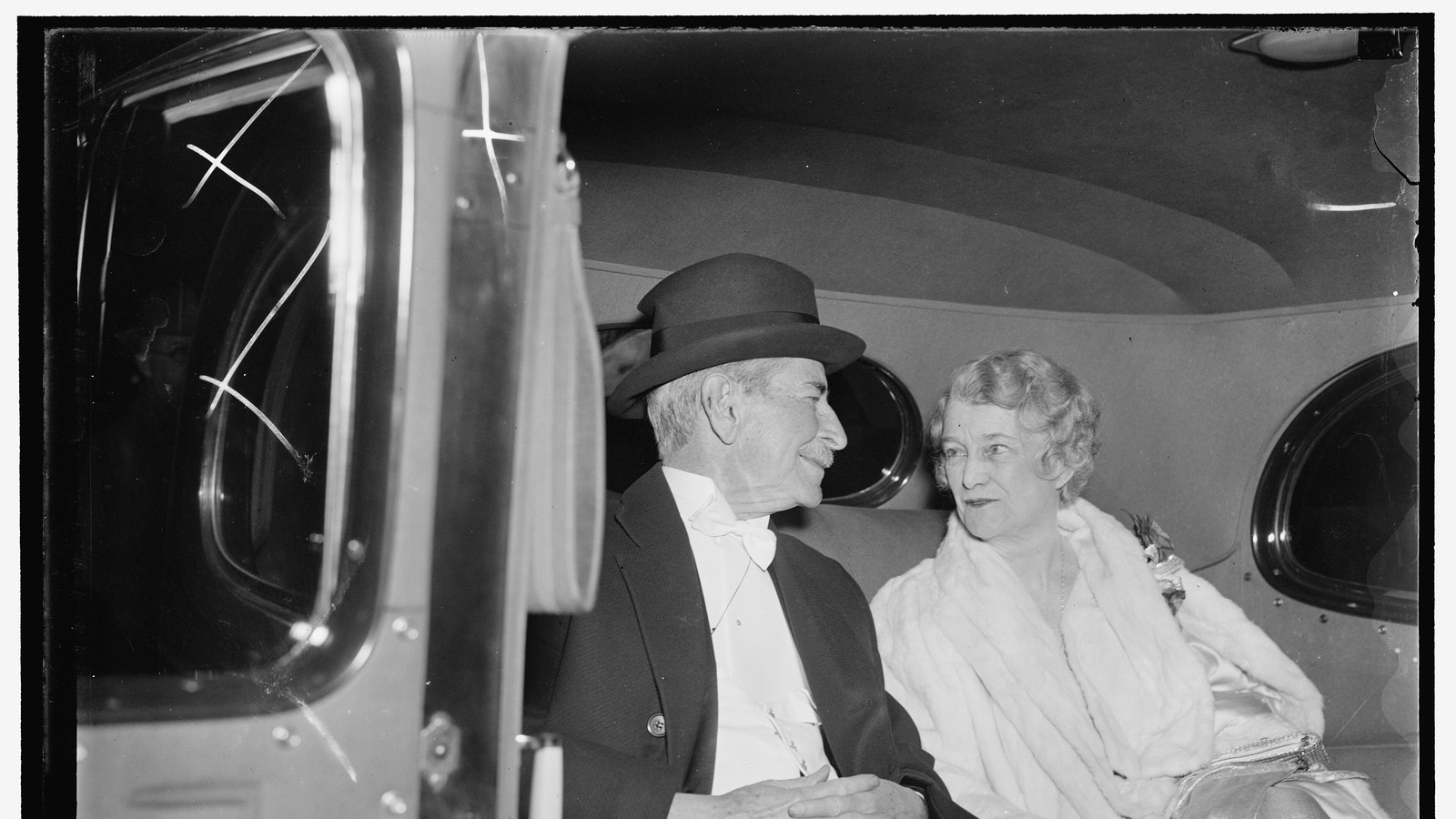
Image: Cordell Hull; Harris and Ewing, 1937; public domain, Wikimedia Commons. Cropped to 16:9. Portrait of 1937, not the signing.
Source consulted: Treaty for the Relinquishment of Extraterritorial Rights in China. Treaty text: Treaty for the Relinquishment of Extraterritorial Rights in China, Washington, 11 January 1943.











0 Comments
No comments on this article yet. Be the first!