


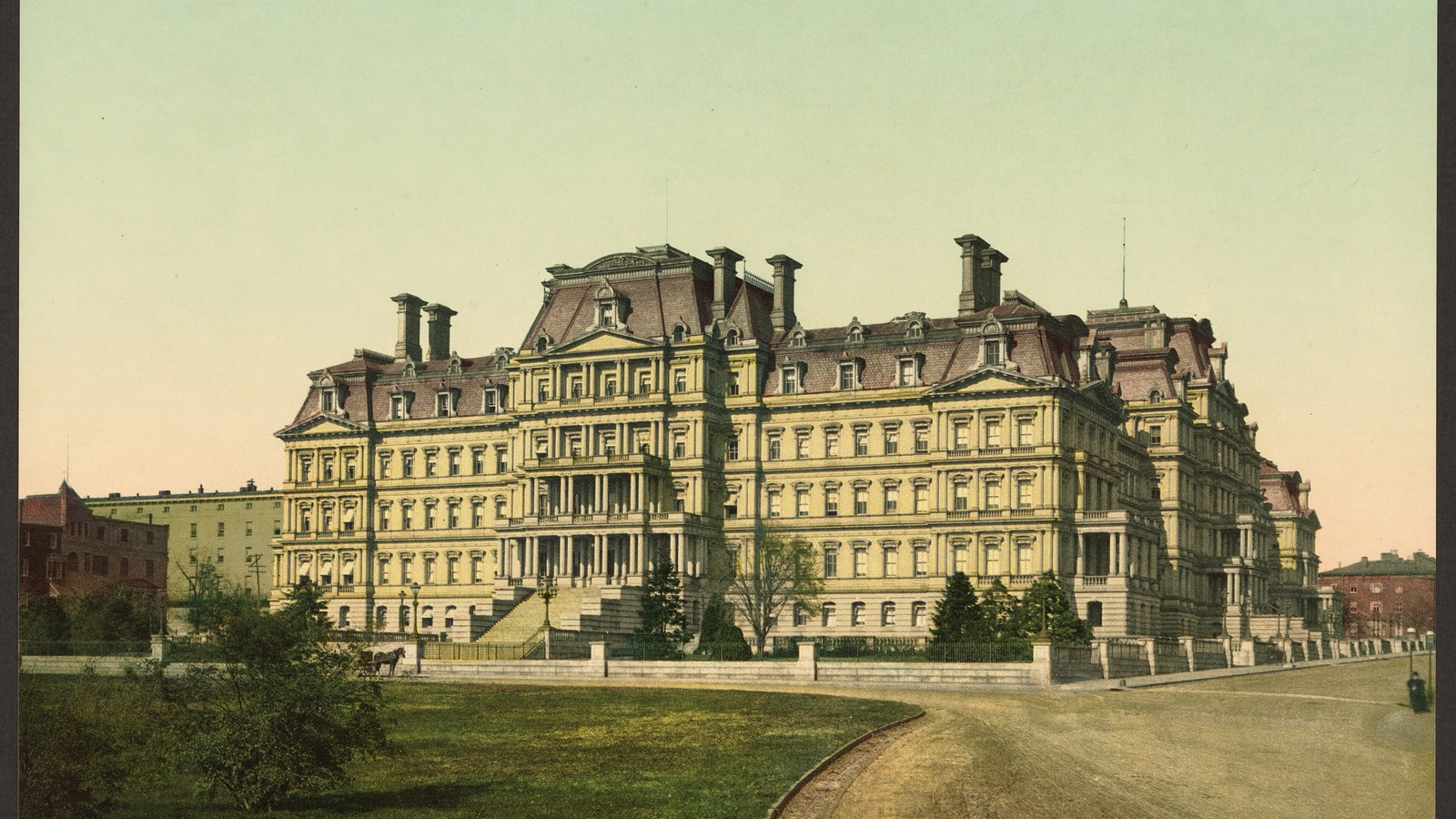
On 8 December 1923, at Washington, the United States and Germany signed the Treaty of Friendship, Commerce and Consular Rights, in duplicate, in English and German. The plenipotentiaries were Charles Evans Hughes, Secretary of State, and Otto Wiedfeldt, German Ambassador. The Senate advised and consented, with reservations, on 10 February 1925; Germany ratified on 20 August 1925; the President on 6 October 1925. Ratifications were exchanged at Washington on 14 October 1925, the date Article XXXI names for the treaty to take effect. The League of Nations registered it on 3 August 1926 (volume 52). Article XXX: nothing in this treaty limits the rights under the Treaty restoring friendly relations of 25 August 1921.
The preamble: to strengthen the bond of peace by arrangements for friendly intercourse, responsive to spiritual, cultural, economic and commercial aspirations. Article I: nationals may enter, travel and reside; enjoy liberty of conscience and freedom of worship; engage in professional, scientific, religious, philanthropic, manufacturing and commercial work; own, erect or lease buildings and lease lands for those purposes, including mortuary use; employ agents of their choice; on the same terms as nationals or as the most favored nation, subject to local law. Internal taxes shall not be higher than those paid by nationals. Access to the courts. Constant protection and security for persons and property, to the degree required by international law; property shall not be taken without due process and just compensation.
Article II: civil liability for injury or death, the same rights for relatives, heirs or dependents, regardless of alienage or residence outside the place of injury. Article III: dwellings, warehouses, factories and shops shall be respected; domiciliary visits and searches only under the forms prescribed for nationals. Article IV: where local law would disqualify a national from succeeding to immovable property, a term of three years to sell, reasonably prolonged if needed; personal property may be disposed of by testament or donation. Article V: religious services if teachings or practices are not contrary to public morals; burial according to religious customs, subject to sanitary rules. Article VI: in war with a third State, the belligerent may draft nationals of the other who have a permanent residence and have formally declared an intention to naturalize, unless they leave within sixty days after a declaration of war.
Article VII: freedom of commerce and navigation; unconditional most-favored-nation treatment on imports and exports; exceptions: purely border traffic within a zone not exceeding ten miles (15 kilometres), United States commerce with Cuba under the convention of 11 December 1902 or any later one, and commerce with United States dependencies and the Panama Canal Zone. Article XI: the coasting trade of the United States is exempt, but most-favored-nation treatment applies. Articles XVII to XXVIII: consular officers in ports open to any foreign country; most-favored-nation privileges; exclusive jurisdiction over the internal order of private vessels of their country. Article XXIX: the territories comprise all land, water and air over which the parties claim and exercise dominion, except the Panama Canal Zone. Article XXXI: ten years from the exchange of ratifications, then until one year after notice. A treaty of 29 October 1954 later replaced, between the United States and the Federal Republic of Germany, part of these articles.
The State, War and Navy Building, Washington, then the seat of the Department of State. The city of signature, not the signing room. Wikimedia Commons, public domain.
For context: Treaty of Friendship, Commerce and Consular Relations between Germany and the United States of America. The text: FRUS, Treaty between the United States of America and Germany, Signed at Washington, December 8, 1923.











0 Comments
No comments on this article yet. Be the first!