


John M. Allison and Katsuo Okazaki signed in Tokyo, on 8 March 1954, the Mutual Defense Assistance Agreement between the United States and Japan. Two copies, Japanese and English equally authentic. TIAS 2957, 5 UST 661; UNTS No. 3236. Wikipedia conflates it with the 1951 Security Treaty: the latter, not this MSA, maintains United States forces in and about Japan.
The preamble restates the inherent right of self-defence in Article 51 of the Charter, the San Francisco Peace Treaty and the expectation that Japan will gradually assume its own defence, without offensive armament. American aid is furnished under the Mutual Defense Assistance Act (1949) and the Mutual Security Act (1951). This is not a weapons catalogue or a rearmament handbook.
Article I: each party makes available such equipment, materials, services or other assistance as it authorises, consistent with the Charter and with economic stability. Aid is not diverted or transferred without the donor's consent; equipment no longer needed is offered for return. Article IX: the agreement does not alter the 1951 Security Treaty and is implemented under each party's constitution.
Article VIII: Japan contributes, to the extent its economic condition permits, to its own defensive strength. Article VII: American personnel observing the aid are received as part of the embassy. Article VI: customs and tax relief on assistance procurement. Annex A provides, at the level of principle, for procurement in Japan and the training of technicians. This is not a MAAG or defence-production handbook.
Article XI: the agreement enters into force on the day Washington receives written notice that Japan has ratified. The Yoshida cabinet authenticated ratification on 30 April; the Japanese text is Treaty Law No. 6, effective 1 May 1954. Termination on one year's notice; some use-of-aid clauses survive. Registration with the United Nations.
The Self-Defense Forces were organised by statute that same spring, a separate act. The 1960 Treaty of Mutual Cooperation and Security later replaced the 1951 frame, not this MSA. Annex D calls for cooperation on trade controls with nations that threaten the peace, at the level of principle, not as a sanctions handbook.
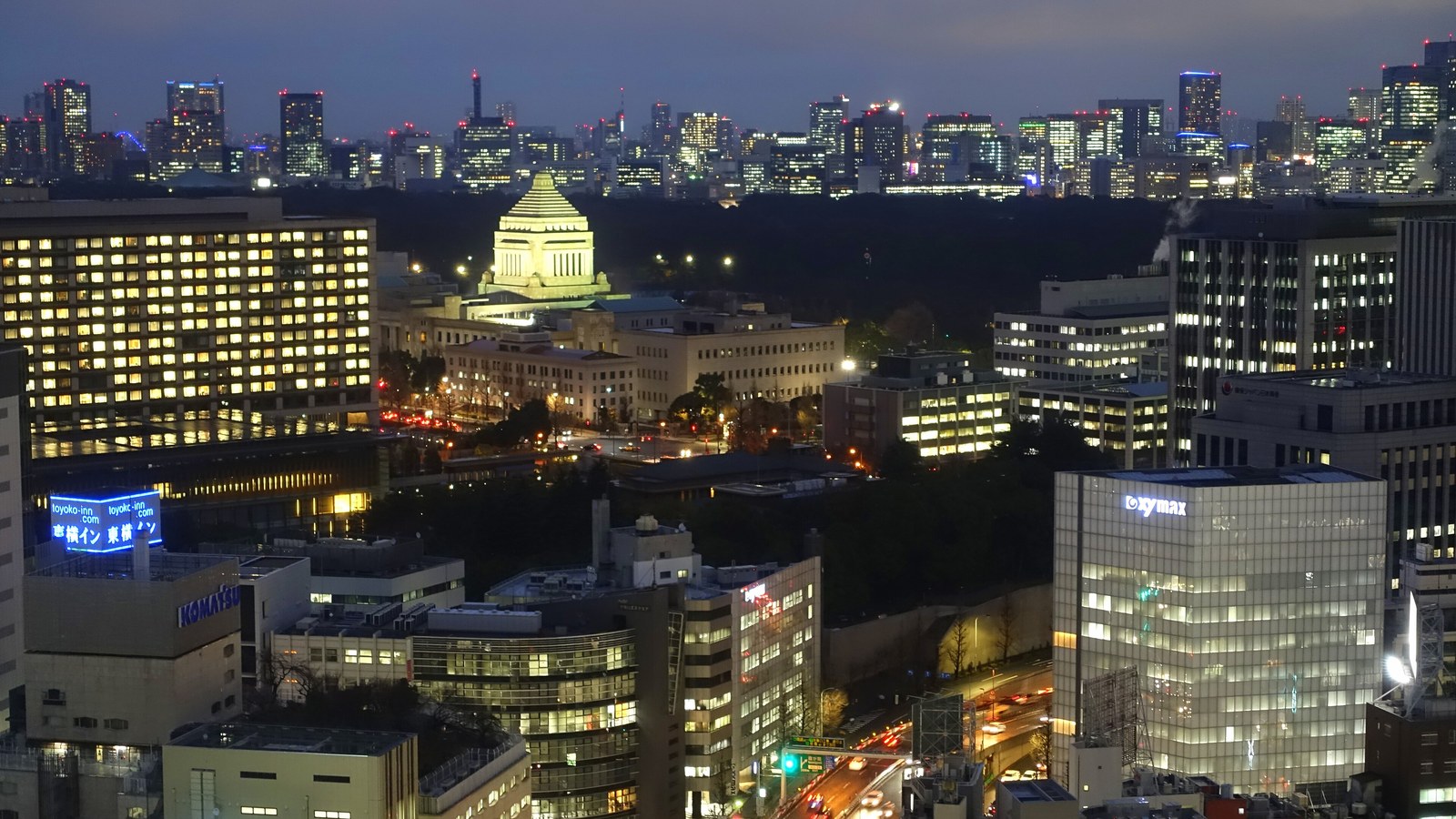
Cover: the National Diet Building in Tokyo, the seat of parliamentary ratification, not the Gaimusho table. Wikimedia Commons, free licence.
Sources consulted: U.S. and Japan Mutual Defense Assistance Agreement; Mutual Defense Assistance Agreement between Japan and the United States of America.










0 Comments
No comments on this article yet. Be the first!