
US President Donald Trump signed a presidential memorandum on 16 September directing officials to identify Canadian-origin goods in federal civilian procurement and to prepare steps to remove them from the system or make them unavailable for purchase. The White House presents the move as a response to “Buy Canadian” policies at federal and provincial level.
The document tasks the director of the Office of Management and Budget and the US trade representative, coordinating with the Federal Acquisition Regulatory Council, with identifying the categories concerned. USTR is also to keep monitoring how US goods are treated in Canadian procurement.
The White House fact sheet cites preferential access for Canadian firms to more than $280 billion of the US procurement system under the WTO Agreement on Government Procurement. The administration says provinces have disadvantaged American companies through Canadian-content preferences. Those figures and charges belong to the official US communication; Ottawa has not confirmed them as an independent tally.
The memorandum is not an immediate, total ban on all Canadian products. It starts a review: which items can be withdrawn “where warranted”, which domestic alternatives exist and which waivers remain lawful. State-level and military procurement are not covered in the same way by the same text.
The commercial effect will depend on the final list and on how agencies interpret the origin of goods. Integrated North American supply chains — parts, materials, suppliers with a presence on both sides — may be hit where the federal government is a major customer. Until categories are published, the impact remains an estimate, not an invoice.
A spokesperson for Canada’s minister for US trade said Ottawa had taken note of the memorandum and would review the measures with Canadian businesses and workers in mind. The White House also ties the file to its refusal to renew USMCA in its current form. Neither position closes the dispute: product identification, possible consultations and, potentially, countermeasures still lie ahead.
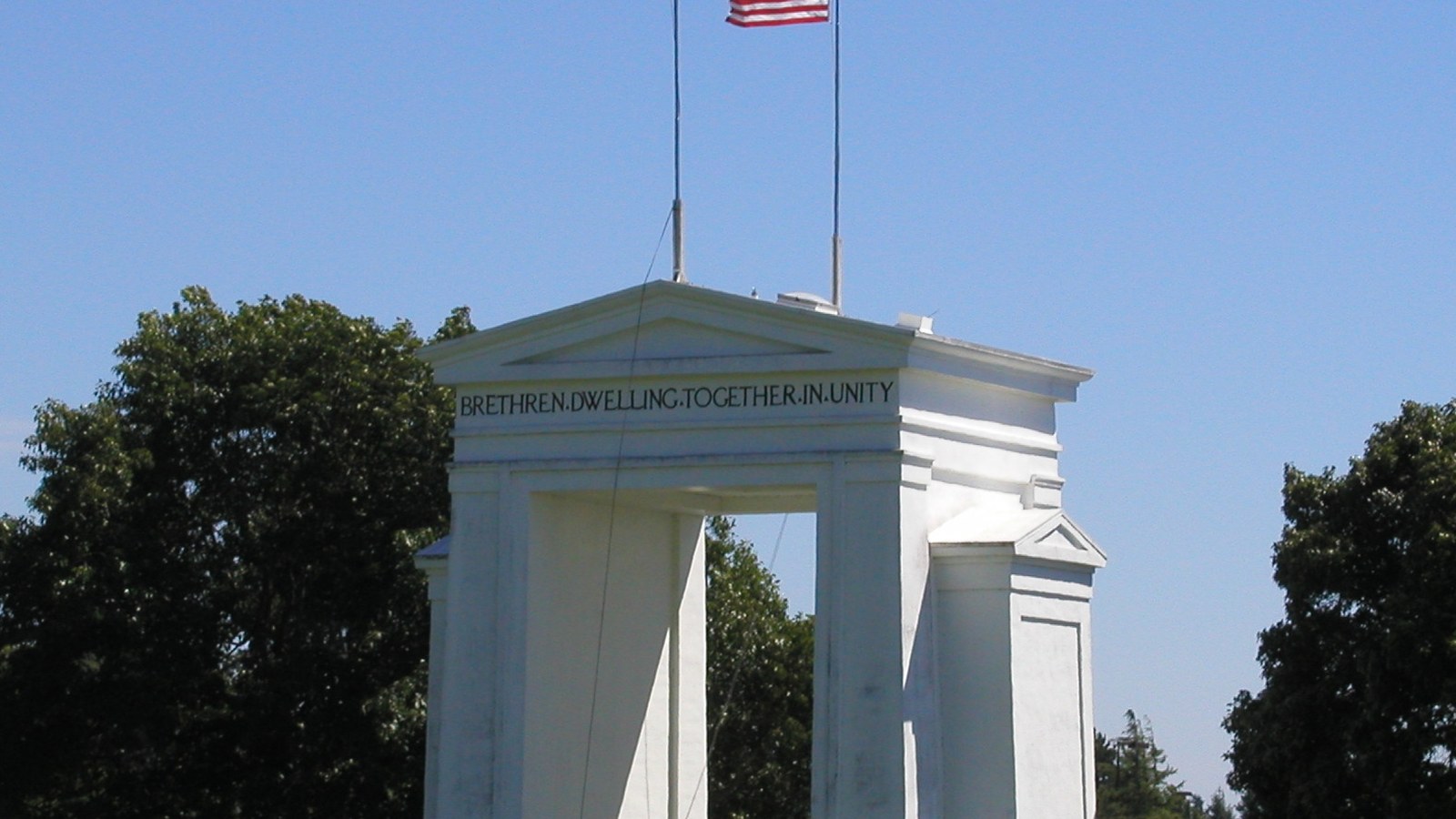
Image: Peace Arch, US–Canada border / Wikimedia Commons, public domain. A border monument, not the White House signing. Cropped to 16:9.
Source consulted: Fact Sheet: Restores Reciprocity in Government Procurement | The White House; Restoring Reciprocity in Government Procurement | The White House.





0 Comments
No comments on this article yet. Be the first!