


On 23 November 1972, in Paris, the two authentic copies of the Convention concerning the Protection of the World Cultural and Natural Heritage were signed by the President of the seventeenth session of the UNESCO General Conference, Toru Hagiwara, and by the Director-General, René Maheu. The Conference, meeting from 17 October to 21 November, had adopted the text on 16 November. It is not the Hague Convention of 1954 and not the 1970 Convention on illicit traffic in cultural property.
Articles 1 and 2 define cultural heritage (monuments, groups of buildings, sites) and natural heritage (formations, habitats, natural sites) of outstanding universal value. Article 3: each State Party identifies and delineates the properties on its territory. Article 4: the duty of ensuring the identification, protection, conservation, presentation and transmission to future generations of that heritage belongs primarily to the State on whose territory it is situated.
Article 6: whilst fully respecting sovereignty and property rights under national legislation, the States Parties recognize that such heritage constitutes a world heritage for whose protection it is the duty of the international community as a whole to co-operate; each undertakes not to take any deliberate measures which might damage, directly or indirectly, the heritage situated on the territory of other States Parties. Article 8 establishes, within UNESCO, the World Heritage Committee: 15 States Parties, increased to 21 from the ordinary session of the General Conference following entry into force for at least 40 States; ICCROM, ICOMOS and IUCN may attend in an advisory capacity.
Article 11: each State shall, in so far as possible, submit an inventory of property suitable for the List; the Committee shall establish, keep up to date and publish the "World Heritage List", distributed at least every two years, and, whenever circumstances so require, the "List of World Heritage in Danger". Inclusion requires the consent of the State concerned. Article 15 establishes the World Heritage Fund as a trust fund. Article 16: contributions every two years, a uniform percentage which shall in no case exceed 1 per cent of the contribution to the regular budget of UNESCO; a State may declare, on deposit, that it shall not be bound by that paragraph.
Article 30: the Convention is drawn up in Arabic, English, French, Russian and Spanish, the five texts being equally authoritative. Articles 31 and 32: ratification or acceptance by UNESCO member States; accession by non-member States invited by the General Conference; the Director-General is depositary. Article 33: it enters into force three months after the deposit of the twentieth instrument, on 17 December 1975, and for any other State three months after its own deposit. Article 35: denunciation takes effect twelve months after receipt. The two authentic copies are deposited in the archives of UNESCO; certified true copies are delivered to the States referred to in Articles 31 and 32 and to the United Nations.
It is not the 2003 Convention for the Safeguarding of the Intangible Cultural Heritage and not the first inscriptions on the List, in 1978.
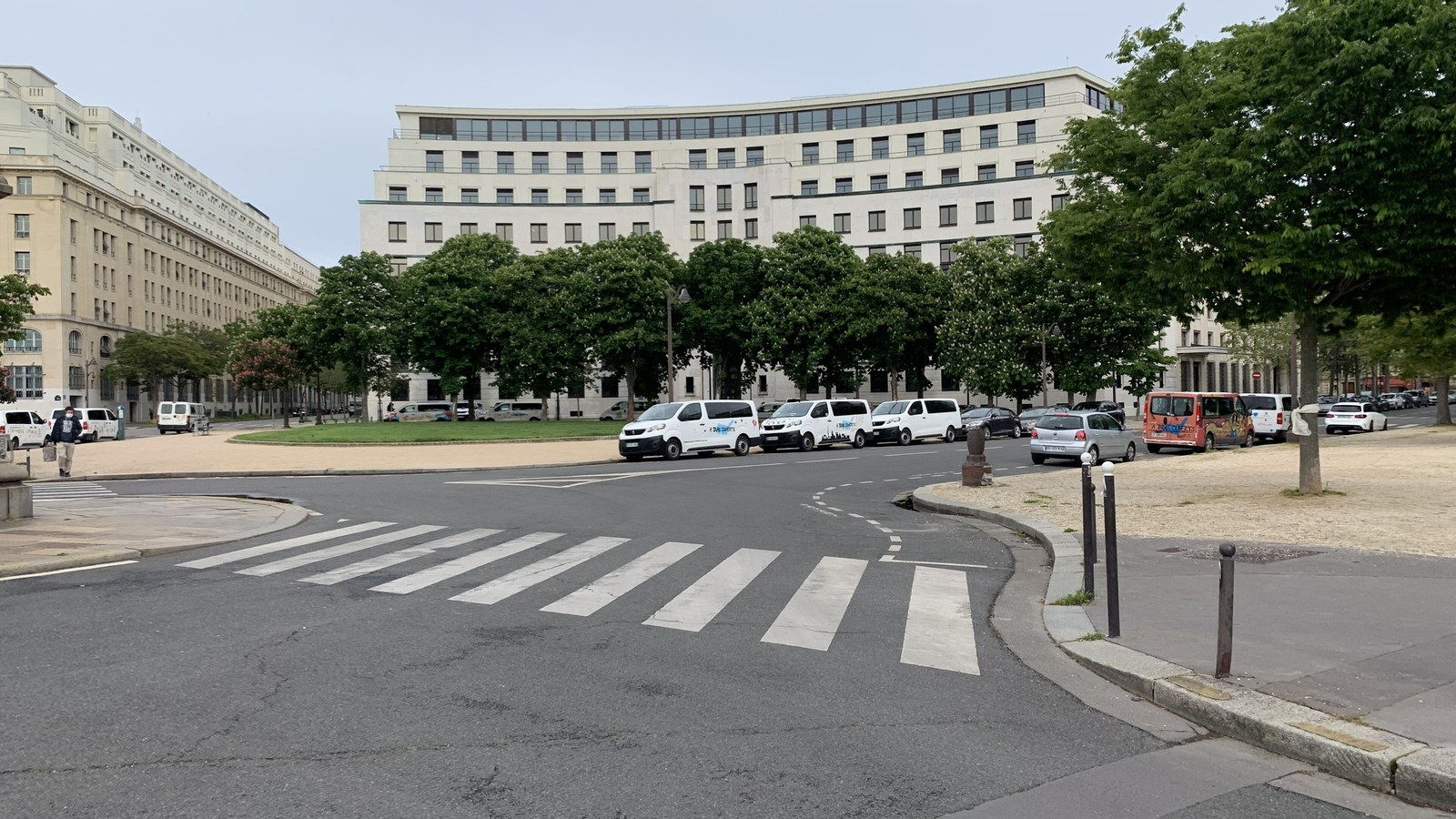
Image: UNESCO headquarters, Place de Fontenoy, Paris, depositary of the convention; Chabe01, 11 May 2021; CC BY-SA 4.0, Wikimedia Commons. Cropped to 16:9.
Source consulted: World Heritage Convention. Treaty text: Convention concerning the Protection of the World Cultural and Natural Heritage, Paris, 23 November 1972.










0 Comments
No comments on this article yet. Be the first!