



The African Convention on the Conservation of Nature and Natural Resources was signed at Algiers on 15 September 1968 by the Heads of State and Government of independent African States assembled there. The English and French texts are equally authentic. The original is deposited with the Administrative Secretary-General of the Organization of African Unity. It is not the 1933 London Convention on flora and fauna, which Article XXI causes to cease in States where the Algiers Convention enters into force, nor the revised Maputo Convention of 2003.
Article I establishes the convention. Article II, the fundamental principle: the measures needed to ensure conservation, utilization and development of soil, water, flora and fauna, on scientific principles and with due regard to the interests of the people. Article III defines natural resources as renewable and distinguishes, at high level, the strict nature reserve, the national park and the special reserve. Articles IV to VI require land-use plans, action against erosion, policies for surface and underground water — including consultation where resources are shared — and the protection of flora, including forests, bush fires, grazing and botanical gardens, still at high level.
Article VII: conservation of fauna inside and outside designated areas, together with legislation on hunting, capture and fishing, with permits and a ban on methods treated as destructive, without an operational catalogue. Article VIII: threatened species in Class A (total protection, exceptions only in the national interest or for science) and Class B (special authorization); the annex may be supplemented domestically. Article IX regulates, still at high level, traffic in specimens and trophies. Article X: maintain and, where appropriate, extend conservation areas, including in territorial waters.
Article XV: a single national agency or coordinating machinery. Article XVI: inter-State co-operation, reports to the OAU and meetings at the request of at least three States, approved by two thirds. Article XVII: exceptions for the paramount interest of the State, force majeure, defence of human life, famine, public health and defence of property, precisely defined. Article XVIII: disputes not settled by negotiation go to the OAU Commission of Mediation, Conciliation and Arbitration.
Article XIX: opened for signature immediately after approval by the Assembly of Heads of State and Government; ratifications deposited with the Administrative Secretary-General. Article XX: reservations are allowed, but not to Articles II to XI. Article XXI: entry into force on the thirtieth day after the fourth instrument — 16 June 1969. Article XXII: accession by any independent and sovereign African State. Article XXIII: denunciation only after five years in force for that State, effective after one year. Article XXIV: revision after five years; the annex may be updated by the appropriate OAU organ, in force after three months. The official list of signatories runs from Algeria to Zambia, forty States.
The text consulted is the CAB/LEG/24.1 version on the African Union site. The revised Maputo Convention later replaced it for parties to the 2003 text. The depositary today is the African Union Commission.
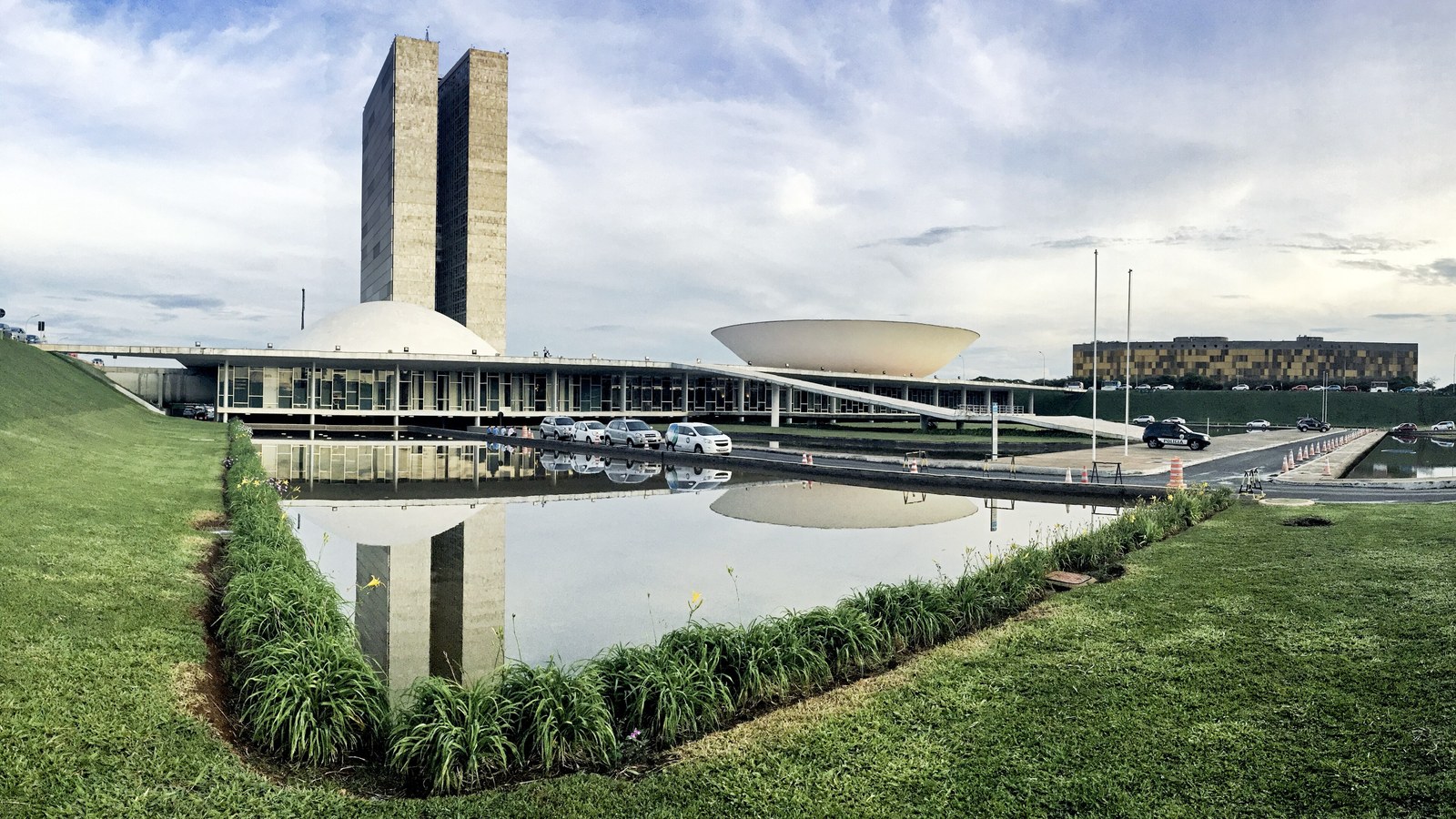
Cover: the Grande Poste in Algiers, a landmark of the city of the heads-of-state meeting; we do not claim the hall. Wikimedia Commons, free licence.
Sources consulted: African Convention on the Conservation of Nature and Natural Resources; African Convention on the Conservation of Nature and Natural Resources (AU CAB/LEG/24.1).










0 Comments
No comments on this article yet. Be the first!