


On 2 June 1964, at the third Antarctic Treaty Consultative Meeting in Brussels, the parties adopt the Agreed Measures for the Conservation of Antarctic Fauna and Flora — the first detailed ecological-protection framework for the continent.
The text designates Antarctica a “Special Conservation Area”, regulates harmful interference, protected species and areas and allows controlled scientific research.
The original 12 consultative states had to accept them; they formally entered into force only in 1982 after Japan’s acceptance, though they were applied de facto in the interim.
They were later superseded by the Madrid Protocol (1991) and its environmental annexes; in 2011 the measures were withdrawn as obsolete.
For the Antarctic Treaty System, 2 June 1964 marks the shift from general principles to concrete conservation rules.
The text appears in Antarctic Treaty Secretariat decisions.
The Agreed Measures of 2 June 1964 remain the modern precursor of Antarctic environmental protection.
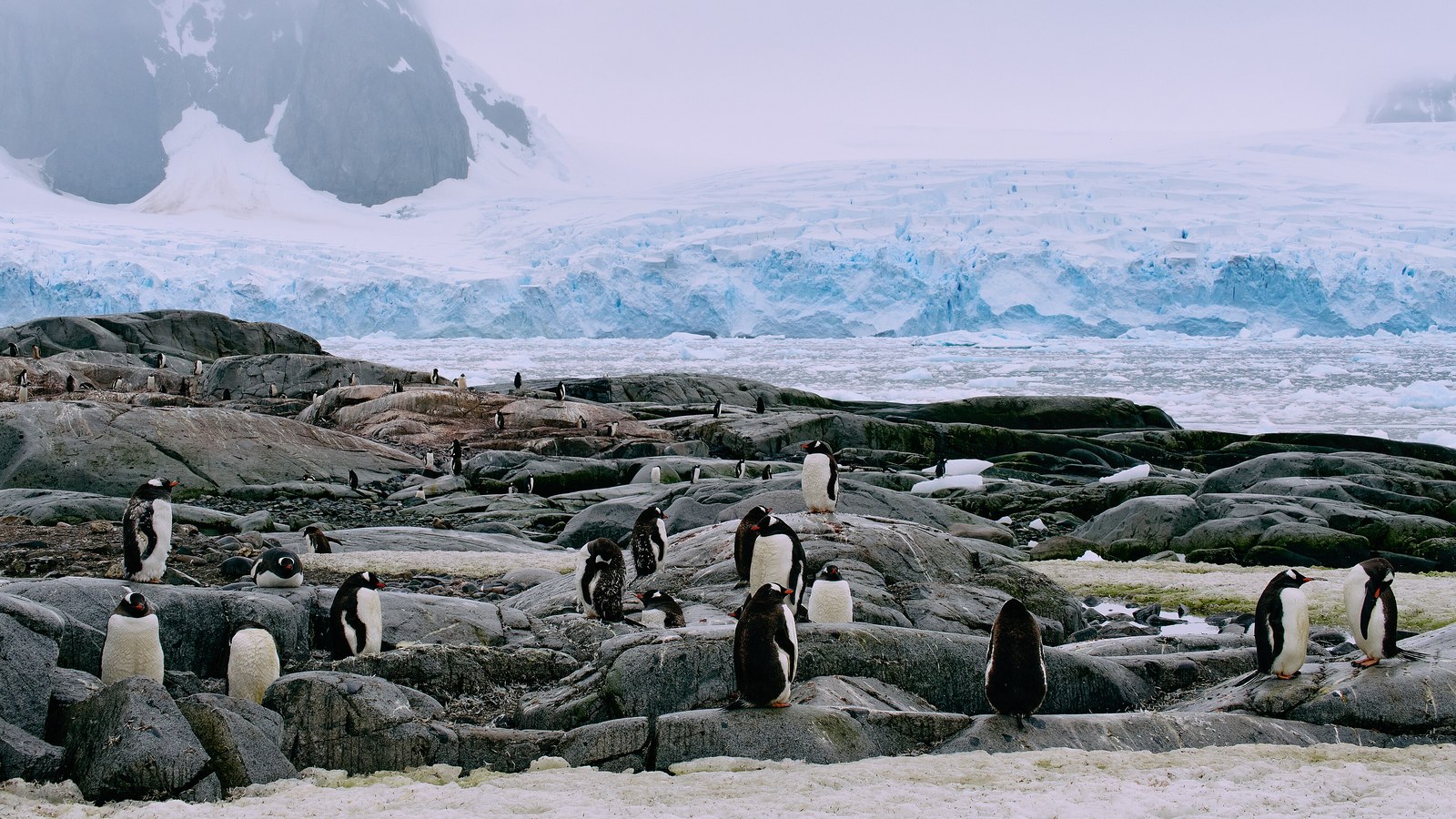
Image: Antarctica; Wikimedia Commons. Cropped to 16:9.
Source consulted: Agreed Measures for the Conservation of Antarctic Fauna and Flora. Treaty text: Agreed Measures for the Conservation of Antarctic Fauna and Flora (ATS).











0 Comments
No comments on this article yet. Be the first!