


On 12 December 2000, at Algiers, the Agreement between the Government of the State of Eritrea and the Government of the Federal Democratic Republic of Ethiopia was signed. Duplicate originals in the English language. Signatories, in United Nations document A/55/686–S/2000/1183: Isaias Afwerki and Meles Zenawi. Witnesses: Abdelaziz Bouteflika, Madeleine K. Albright, Kofi Annan, Salim Ahmed Salim and Rino Serri. Article 6(1): this Agreement shall enter into force on the date of signature. Article 6(2): the parties authorize the Secretary General of the OAU to register it with the United Nations Secretariat in accordance with Article 102(1) of the Charter.
The preamble: reaffirming acceptance of the OAU Framework Agreement and the Modalities for its Implementation, endorsed by the 35th ordinary session of the Assembly of Heads of State and Government, held in Algiers from 12 to 14 July 1999; recommitting themselves to the Agreement on Cessation of Hostilities, signed at Algiers on 18 June 2000. Article 1: the parties shall permanently terminate military hostilities; each shall refrain from the threat or use of force against the other; they shall respect and fully implement the June cessation of hostilities.
Article 2: in fulfilling their obligations under international humanitarian law, including the 1949 Geneva Conventions, and in cooperation with the ICRC, the parties shall without delay release and repatriate all prisoners of war and all other persons detained as a result of the armed conflict, or return them to their last place of residence; they shall afford humane treatment to each other’s nationals. Article 3: an investigation by an independent, impartial body appointed by the Secretary General of the OAU, in consultation with the United Nations Secretary-General and the two parties, into the incidents of 6 May 1998 and any earlier incident that could have contributed to a misunderstanding regarding the common border, including those of July and August 1997.
Article 4: reaffirmation of the principle of respect for the borders existing at independence, OAU resolution AHG/Res. 16(I), Cairo, 1964; a neutral Boundary Commission of five members, located in The Hague, with a mandate to delimit and demarcate the colonial treaty border on the basis of the pertinent colonial treaties (1900, 1902 and 1908) and applicable international law; no power to decide ex aequo et bono. The UN Cartographer shall serve as Secretary. Article 4(15): the delimitation and demarcation determinations shall be final and binding; each party shall respect the border so determined, as well as the territorial integrity and sovereignty of the other party.
Article 5: a neutral Claims Commission, also at The Hague, of five arbitrators; binding arbitration of claims for loss, damage or injury related to the conflict and resulting from violations of international humanitarian law, including the 1949 Geneva Conventions, or other violations of international law; it shall not hear claims arising from the cost of military operations, preparing for them, or the use of force, except to the extent that such claims involve violations of international humanitarian law. Filing deadline: one year from entry into force. Article 5(17): decisions and awards shall be final and binding. This is not a military alliance; it is a peace and boundary-settlement agreement.
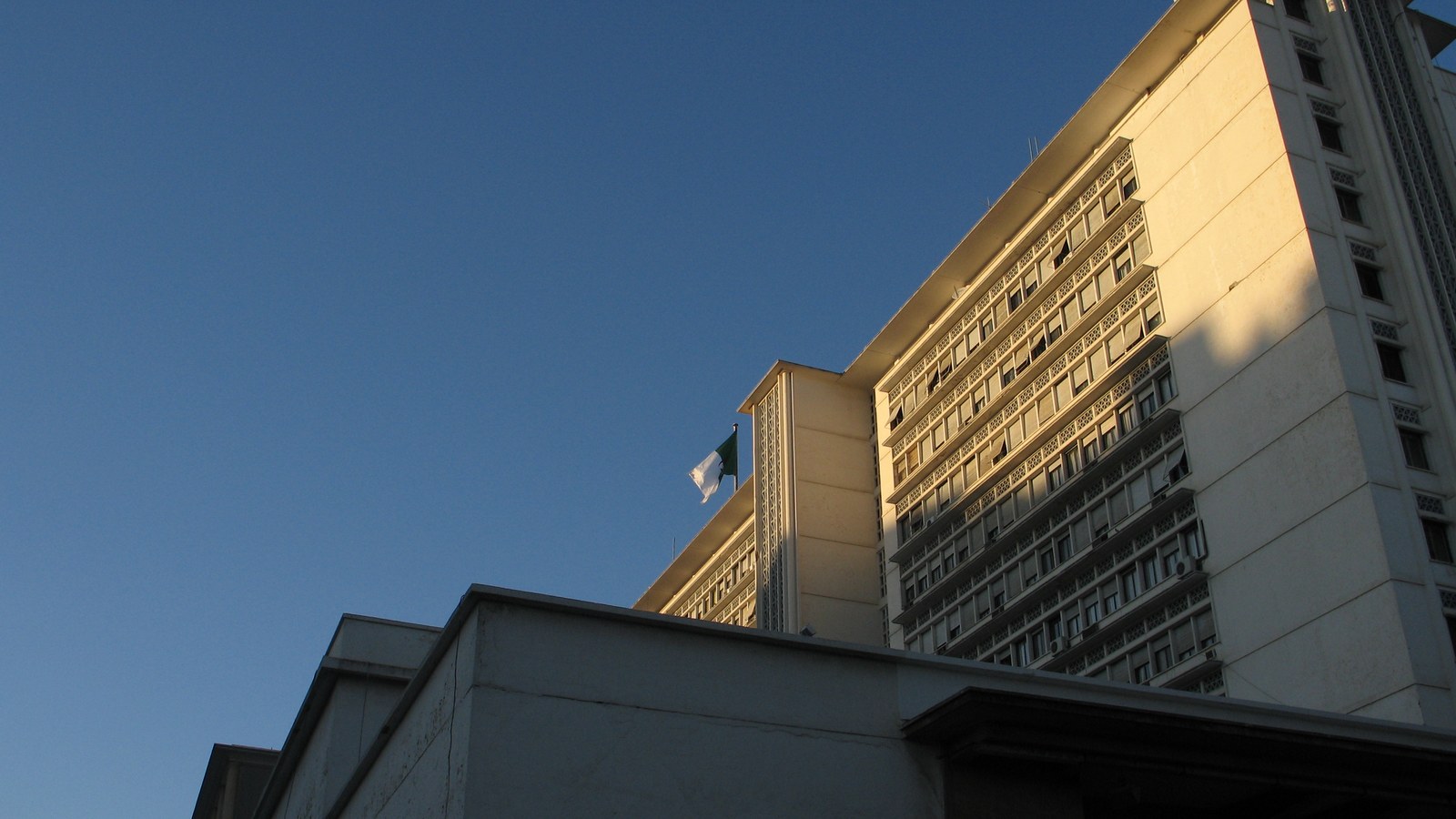
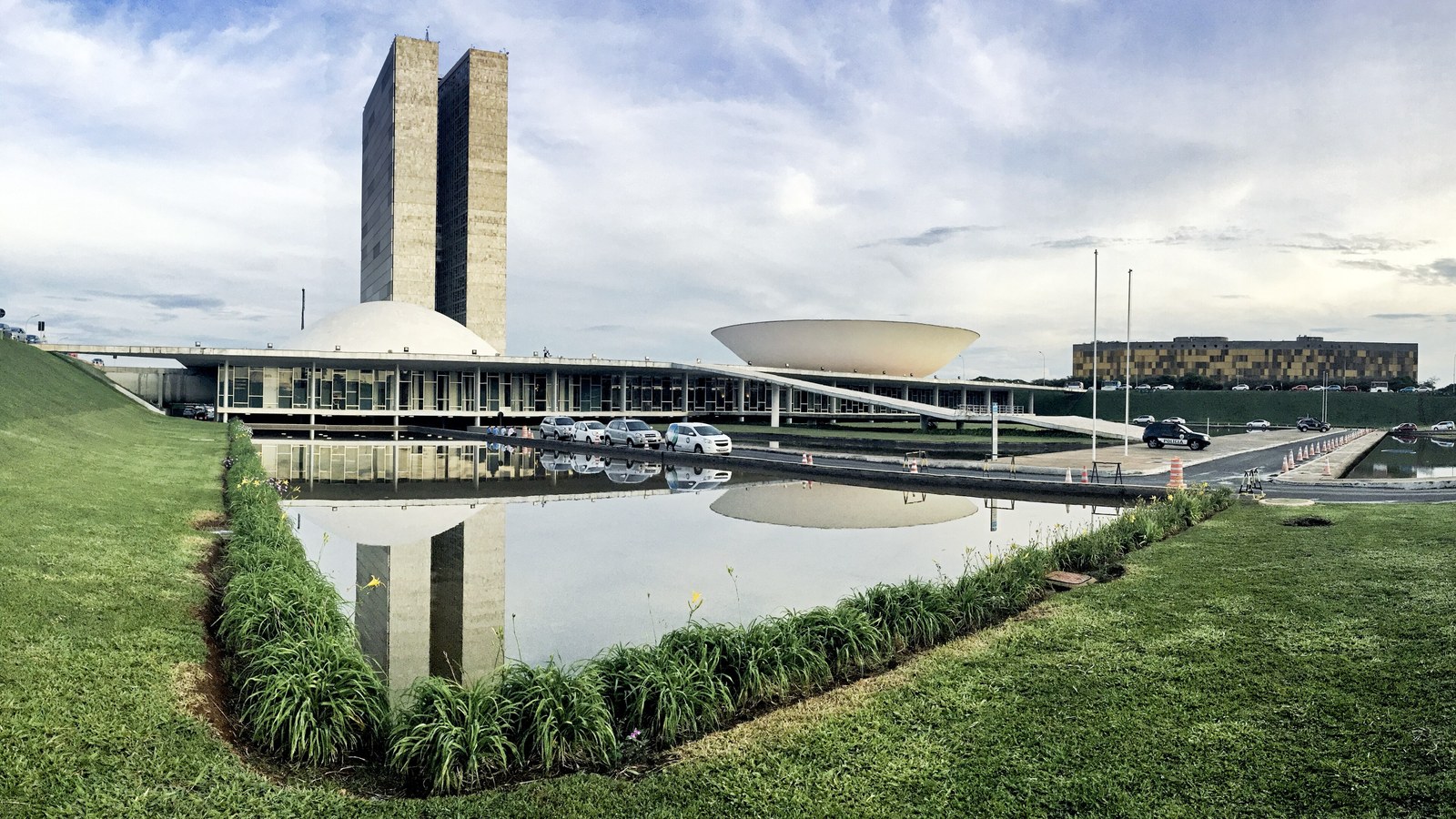
The Government Palace in Algiers, the city of signature, not the signing room. Wikimedia Commons, free licence.
For context: Algiers Agreement (2000). The text: A/55/686–S/2000/1183, Agreement between the Government of the State of Eritrea and the Government of the Federal Democratic Republic of Ethiopia.







0 Comments
No comments on this article yet. Be the first!