


In London, on 16 March 1921, Chancellor of the Exchequer Robert Horne, for His Britannic Majesty’s Government, and Leonid Krasin, People’s Commissar for Foreign Trade, for the Russian Socialist Federative Soviet Republic, sign the Anglo-Soviet Trade Agreement. The text is later registered in the League of Nations Treaty Series (vol. 4, No. 104).
The agreement facilitates trade after the British blockade: Russian ports reopen to British ships; both sides agree to refrain from hostile propaganda; private postal and telegraphic correspondence is renewed under pre-1914 rules. Each party may appoint official agents with limited diplomatic-style immunities, access to authorities and cipher communications.
Persons admitted for trade may import household goods (with exceptions); passports and documents issued by competent authorities are treated as those of a recognised foreign government. The British Government declares it will not initiate special attachment of gold, funds or commodities exported from Russia in payment, other than articles identifiable as British Government property.
Talks begun in May 1920 with Krasin (nominally via Centrosoyuz) were delayed by the Polish–Soviet War and Cabinet resistance (Curzon, Churchill). Lenin linked the deal to the New Economic Policy: reopening commercial dealings with capitalist countries. Britain was the first major state to accept the Soviet offer of a trade agreement.
Though not de jure recognition, the agreement amounted to de facto recognition and opened a period of extensive trade. An accompanying British note addressed pre-1917 claims. Ivan Maisky later stressed the politico-commercial character of the document.
The Anglo-Soviet Trade Agreement of 16 March 1921 remains the first major trade instrument between the United Kingdom and Soviet Russia after the Revolution.
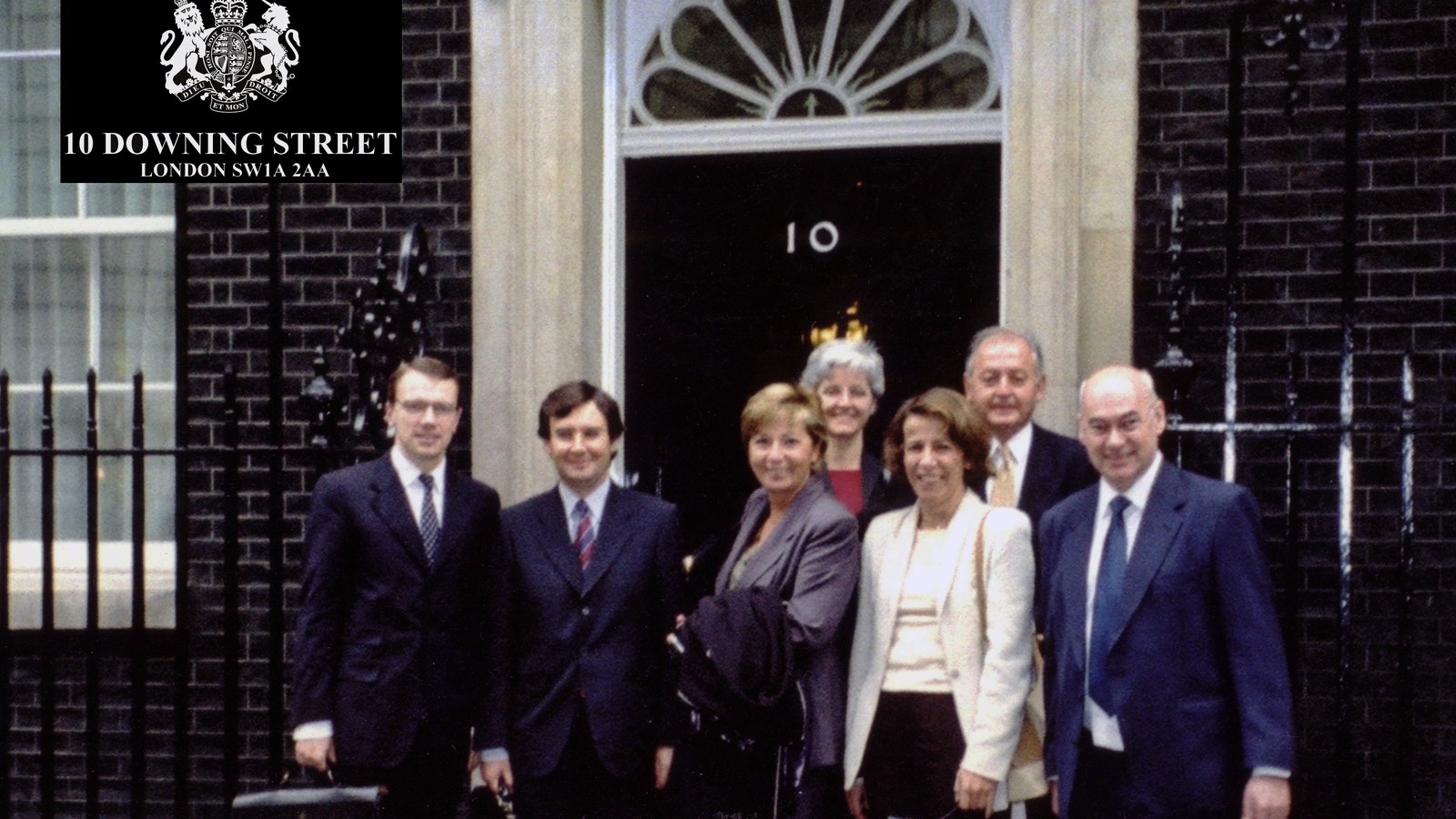
Image: 10 Downing Street; Wikimedia Commons. Cropped to 16:9.
Source consulted: Anglo-Soviet Trade Agreement. Treaty text: Trade Agreement between His Britannic Majesty's Government and the RSFSR, London, 16 March 1921.











0 Comments
No comments on this article yet. Be the first!