


On 22 May 2004, the Council of the League of Arab States adopts the Arab Charter on Human Rights — the updated version of the 1994 text, which no state had ratified.
The Charter affirms the principles of the UN Charter, the Universal Declaration and the international covenants, together with the Cairo Declaration on Human Rights in Islam. It provides classic rights: liberty, equality before the law, protection from torture, property, worship and association.
It enters into force in 2008 after seven ratifications. A Committee of Experts reviews state reports; in 2014 the League elaborated the Statute of the Arab Court of Human Rights.
In January 2008, UN High Commissioner Louise Arbour criticised incompatibilities with UN standards on women’s rights and capital punishment for children.
By 2013 the Charter had been ratified by Algeria, Bahrain, Iraq, Jordan, Kuwait, Lebanon, Libya, Palestine, Qatar, Saudi Arabia, Syria, the UAE and Yemen.
The text appears in OHCHR compilations of regional democracy and human-rights instruments.
The Arab Charter of 22 May 2004 remains the League’s official regional human-rights framework, with recognised limits relative to universal standards.
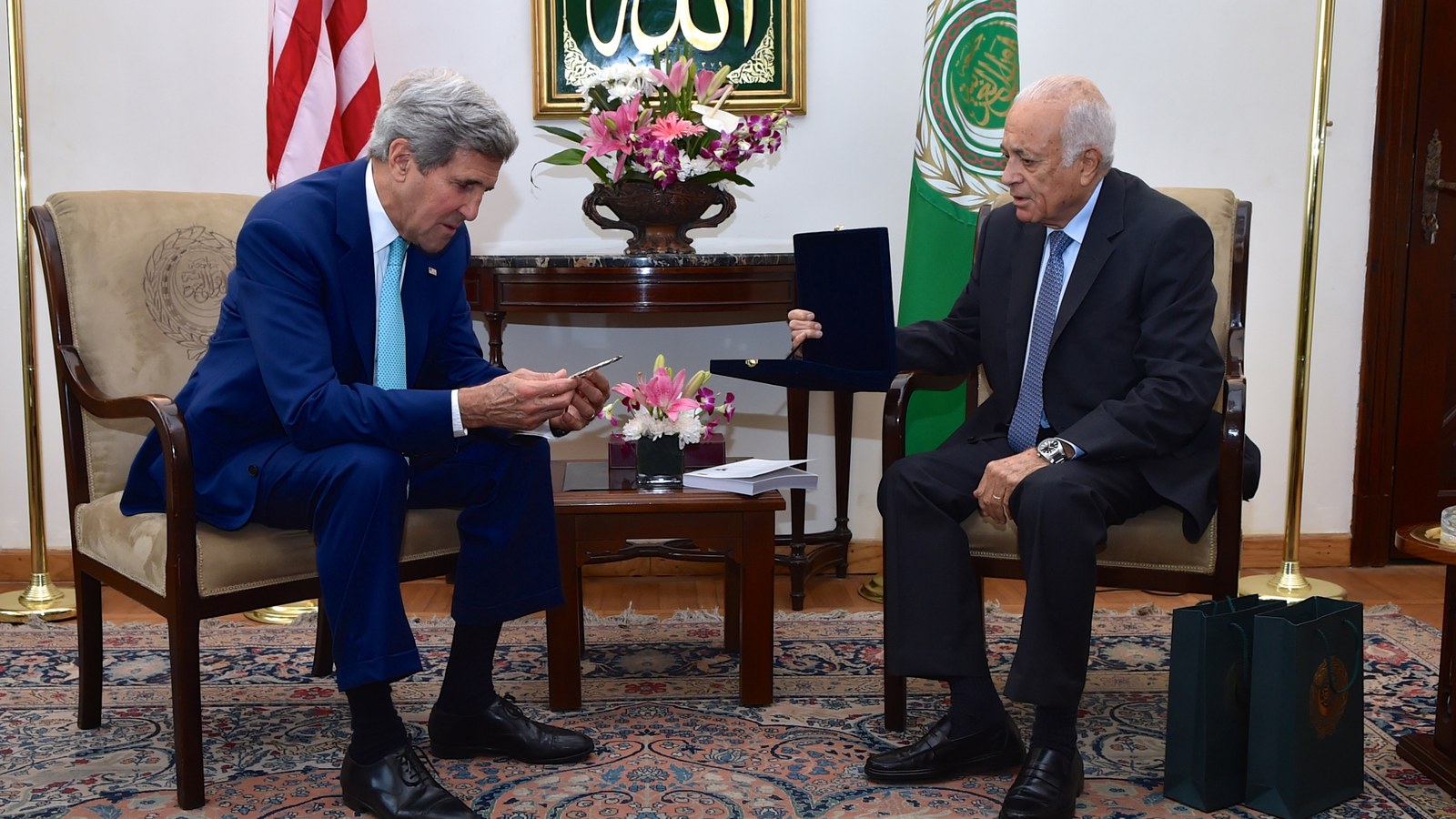
Image: Arab League; Wikimedia Commons. Cropped to 16:9.
Source consulted: Arab Charter on Human Rights. Treaty text: Arab Charter on Human Rights (OHCHR).











0 Comments
No comments on this article yet. Be the first!