


On 12 May 2011, in Nuuk (Greenland), the eight Arctic Council member states sign the Agreement on Cooperation on Aeronautical and Maritime Search and Rescue in the Arctic.
Parties: Canada, Denmark, Finland, Iceland, Norway, Russia, Sweden and the United States. The text coordinates SAR coverage and sets each state’s area of responsibility, without prejudicing boundary delimitation or sovereignty — a key clause amid Arctic territorial claims.
It is the first binding agreement negotiated under the Arctic Council’s auspices. Depositary: the Government of Canada. Entry into force: 19 January 2013 after ratification by all eight signatories.
The treaty reflects growing Arctic shipping as ice melts and economic interest in the Northeast Passage rises. Accident maps from 1995–2004 illustrated the need for coordinated response.
The official text is on Arctic Council and Canadian MFA sites. Joint SAR exercises followed entry into force.
For the region, Nuuk 2011 marks the shift from soft law to concrete legal rescue obligations.
The Arctic SAR Agreement of 12 May 2011 remains the Arctic Council’s first binding treaty.
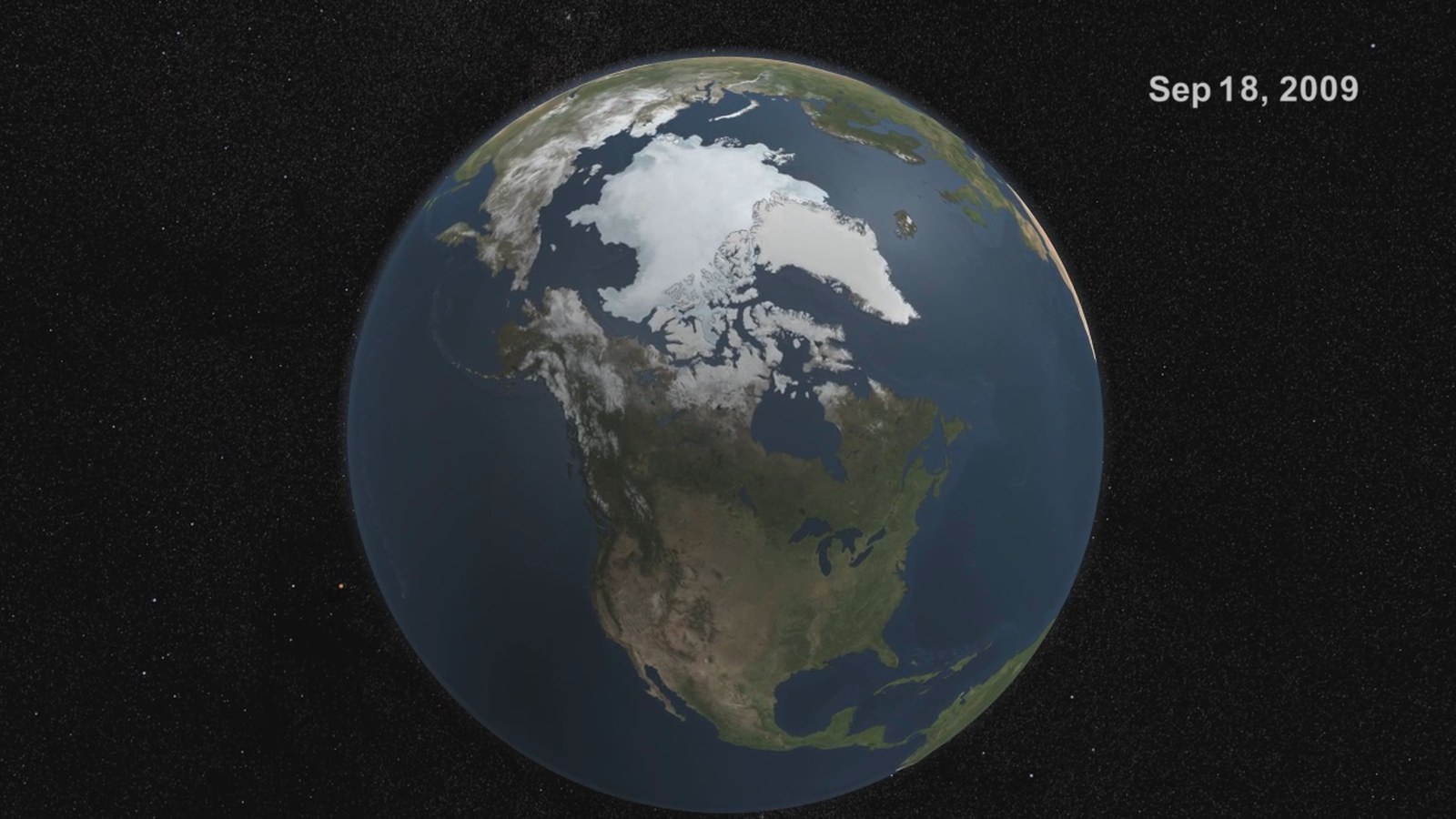
Image: Nuuk / Arctic; Wikimedia Commons. Cropped to 16:9.
Source consulted: Arctic Search and Rescue Agreement. Treaty text: Arctic SAR Agreement (Arctic Council).











0 Comments
No comments on this article yet. Be the first!