


On 28 January 1992, in Singapore, the Agreement on the Common Effective Preferential Tariff (CEPT) Scheme for the ASEAN Free Trade Area (AFTA) was signed. Original parties: Brunei Darussalam, Indonesia, Malaysia, the Philippines, Singapore and Thailand. Signatories, the economic ministers: Abdul Rahman Taib; Arifin M. Siregar; Rafidah Aziz; Peter D. Garrucho Jr.; Lee Hsien Loong, Deputy Prime Minister and Minister for Trade and Industry; Amaret Sila-on. A single original, authentic language English. Article 10(4): depositary the Secretary-General of the ASEAN Secretariat. Article 10(3): the Agreement is effective upon signing. Article 10(5): no reservation.
The preamble recalls the Declaration of ASEAN Concord, Bali, 24 February 1976; the Third Summit in Manila, 13–15 December 1987; and the Agreement on ASEAN Preferential Trading Arrangements (PTA), Manila, 24 February 1977. It adheres to the Framework Agreement on Enhancing ASEAN Economic Cooperation, signed the same day at the same summit by the Heads of Government — a distinct instrument. The object is a free trade area using the CEPT Scheme.
Article 1: CEPT is an agreed effective tariff, preferential to ASEAN, applied to originating goods identified for inclusion. Origin: at least 40% content from any Member State (Article 2(4)). Article 2(1): all Member States shall participate. Article 3: manufactured products, capital goods and processed agricultural products; unprocessed agricultural products as defined in Article 1(7) are excluded from the Scheme. Article 2(3): temporary exclusions at HS 8/9-digit level and sensitive products, with a review in the eighth year.
Article 4: the reduction schedule starts on 1 January 1993 — a tariff-calendar date, not the date of entry into force. From existing rates to 20% within 5 to 8 years; then from 20% or below within 7 years, in steps of at least 5 percentage points, toward 0–5%. Two or more Member States may accelerate. Wikipedia lists “effective” as 1 January 1993; Article 10(3) is signature. This is not a tariff-line list.
Article 5: quantitative restrictions are eliminated upon enjoyment of the concessions; other non-tariff barriers gradually within five years. Article 6: emergency measures where imports cause or threaten serious injury, with notice. Article 7: a ministerial-level Council (one nominee from each Member State plus the Secretary-General), supported by SEOM; the Secretariat monitors. Article 8: consultations, then the Council and, if necessary, the ASEAN Economic Ministers. Article 9: exceptions for national security, public morals, life and health, and artistic, historic or archaeological articles.
CIL NUS records later accessions: Vietnam 1 January 1996, Laos and Myanmar 23 July 1997, Cambodia 30 April 1999. The Agreement was superseded by the 2009 ASEAN Trade in Goods Agreement, Article 91(2) read with Annex 11. The Protocol of 15 December 1995 and the Protocol of 31 January 2003 on elimination of import duties are later amendments, not this text.
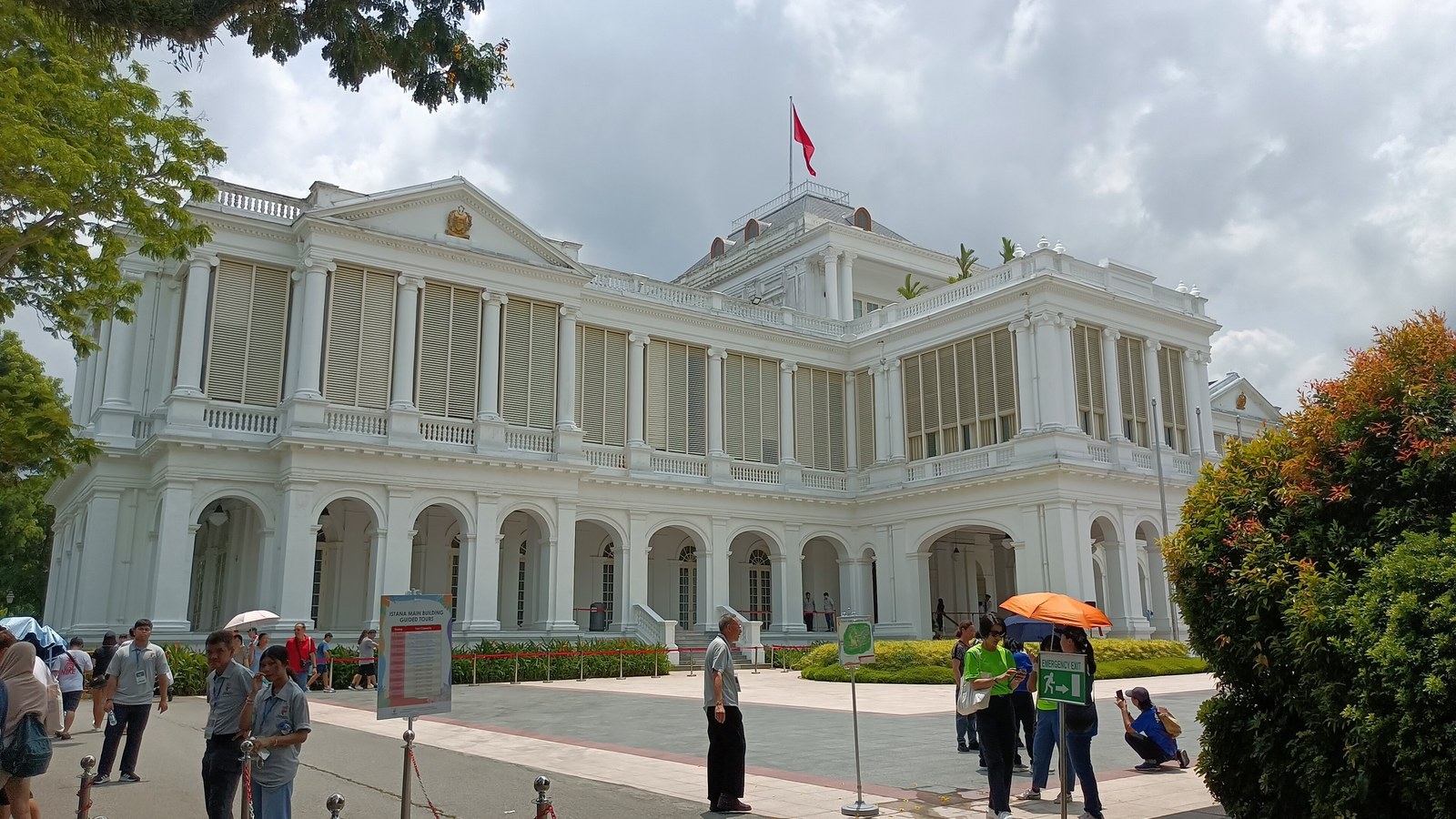
Cover: the Istana in Singapore, the city of signature — not the signing room. Wikimedia Commons, free licence.
For context: ASEAN Free Trade Area. The text: Agreement on the Common Effective Preferential Tariff Scheme for the ASEAN Free Trade Area.











0 Comments
No comments on this article yet. Be the first!