


In Havana, on 20 February 1928, within the Sixth International Conference of American States, the American Republics sign the Convention on Private International Law, to which is annexed the Código de Derecho Internacional Privado drafted by Antonio Sánchez de Bustamante y Sirvén (the Bustamante Code). The authentic texts are Spanish, Portuguese, French and English. The original instrument is kept by the Ministry of State of Cuba; ratifications are deposited with the Pan American Union. The Convention is registered in the League of Nations Treaty Series, volume 86, No. 1950.
Article 1 provides that the contracting Republics accept and put into force the Code of Private International Law annexed to the Convention. Article 2 limits application to the contracting Republics and to States which later adhere. Article 3 allows each contracting Republic, upon ratification, to declare a reservation as to one or more articles of the annexed Code, so that the reserved provisions shall not bind it.
Article 4 provides that the Code shall enter into force for the Republics which ratify it thirty days after deposit of the respective ratification, once it has been ratified by at least two countries. Article 5 requires deposit of ratifications with the Secretariat of the Pan American Union, which transmits copies to the contracting Republics. Article 6 regulates accession by non-contracting States or international juridical persons, with notification to the Pan American Union and a six-month period.
The Code seeks to establish common private-international-law rules in the Americas, including for foreign-trade legal relations among the parties. The United States withdraws in the middle of negotiations; Mexico and Colombia do not sign; Argentina, Uruguay and Paraguay elect to abide by the Treaties of Montevideo on private international law. Countries that ratify often do so with large reservations as to application where the Code contradicts domestic legislation.
Among parties that ratify are, among others, the Bahamas, Bolivia, Brazil, Chile, Costa Rica, Cuba, the Dominican Republic, Ecuador, El Salvador, Guatemala, Haiti, Honduras, Nicaragua, Panama, Peru and Venezuela. The Bustamante Code remains a classic instrument of regional conflict-of-laws unification in the Western Hemisphere, even though practical acceptance is incomplete.
The present text concerns the Convention and Code signed at Havana on 20 February 1928, not the Montevideo Treaties on private international law.
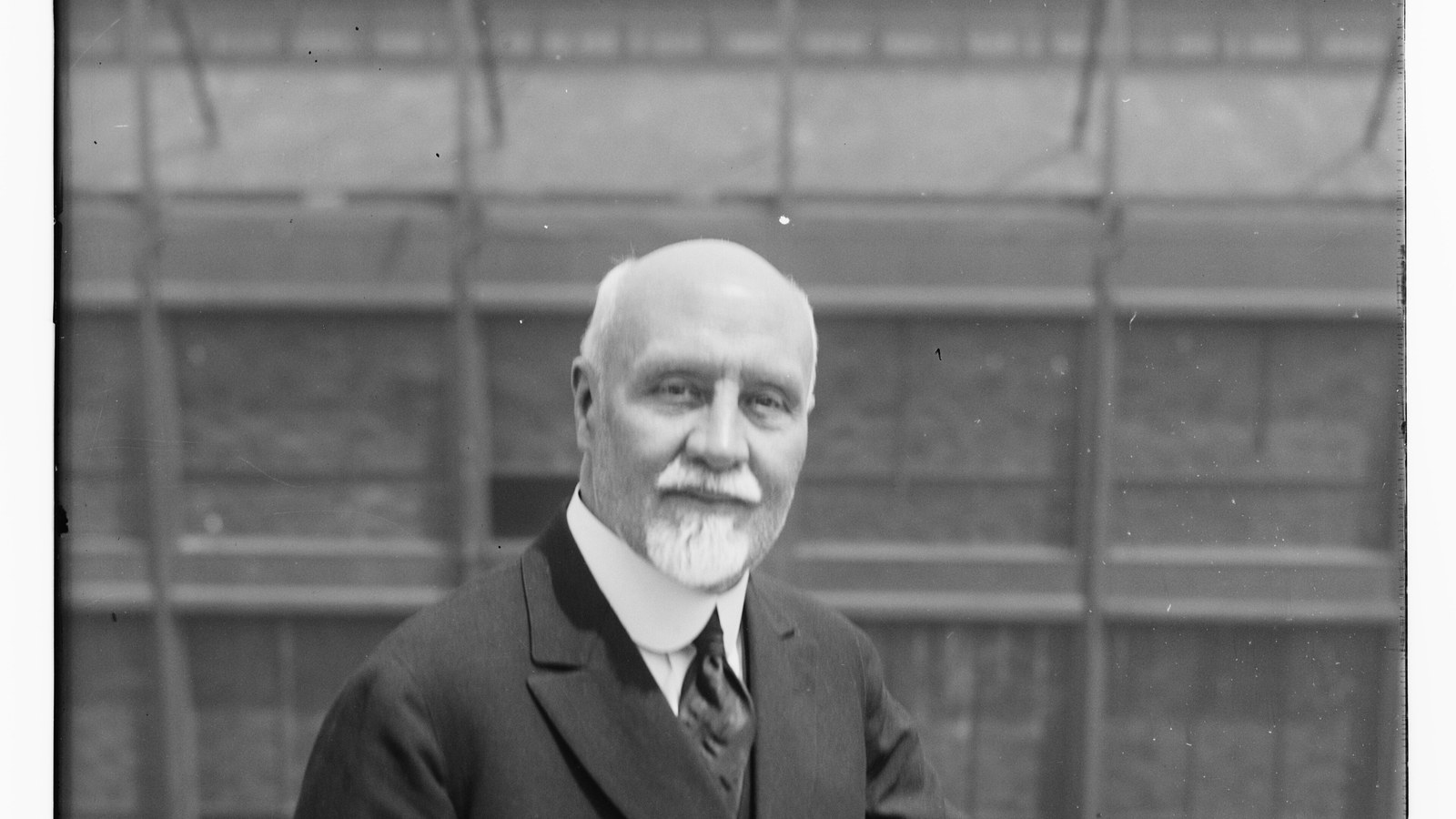
Image: Antonio Sánchez de Bustamante y Sirvén, circa 1922; public domain, Wikimedia Commons / Library of Congress. Cropped to 16:9.
Source consulted: Bustamante Code. Treaty text: Convention on Private International Law (Bustamante Code), Havana, 20 February 1928 (OAS).











0 Comments
No comments on this article yet. Be the first!