


The Treaty on a Free Trade Area was signed at Saint Petersburg on 18 October 2011 by eight member states of the Commonwealth of Independent States. The authentic text is Russian, in a single original kept by the CIS Executive Committee, which sends certified copies to the signatories. It is not the 1994 agreement on the creation of a free-trade area and it is not the treaty on the Eurasian Economic Union: Annex 5 ends, between the parties for which the new treaty has entered into force, a list of earlier instruments, among them the Moscow agreement of 15 April 1994.
The preamble limits the treaty to trade in goods and points it to GATT 1994, including Article XXIV. Article 2: a party applies no customs duties or equivalent charges on export to the customs territory of another party or on import originating there, except for the cases in Annex 1, and does not raise the level of the duties kept in that annex. If an export duty in the annex is abolished or lowered toward a third country, the change applies to the parties as well. The annex is not reproduced here as a list of lines or rates. If a party applies lower export duties toward the other parties than toward third countries, the others may prohibit unauthorised re-export; if the prohibition is not applied, the exporting party may raise the duty to the level used toward third countries. The clause is a rule of level, not a re-export procedure.
Article 3 removes prohibitions and quantitative restrictions on import from another party and on export to it, other than those allowed by Article XI of GATT 1994 and by Articles 8 and 9 of the treaty; those in force at entry into force are removed on the schedule in Annex 2. Article 4 refers the origin of goods to the rules of the CIS agreement of 20 November 2009, without restating them. Article 5 grants national treatment under Article III of the GATT. Article 6 concerns government procurement. Article 7, transit, under Article V of the GATT. Articles 8 to 10 allow safeguard, anti-dumping and countervailing measures and subsidies only within the corresponding WTO agreements. They are not a method of calculation.
Articles 11 and 12 refer technical barriers and sanitary and phytosanitary measures to the relevant WTO agreements. Articles 13 and 14 concern payments and balance-of-payments restrictions, within Article XII of the GATT. Article 15 incorporates the general exceptions of Article XX, and Article 16 the security exceptions of Article XXI. Article 18: the treaty does not prevent participation in a customs union, another free-trade agreement or frontier trade, under Article XXIV; among participants in the customs union and the single economic space it applies only so far as it does not contradict their obligations under those regimes.
Article 19: the parties consult first. If they do not agree, the party claiming injury may refer the matter to the CIS Economic Court, where both are parties to the agreement of 6 July 1992 on its status, or to a commission of experts under Annex 4. Disputes on provisions which refer to WTO agreements, between WTO members, are settled in the manner of those agreements. Annex 4 is not reproduced as a procedure.
Article 21: no reservations. Article 22: the treaty enters into force 30 days after the depositary receives the third notification that internal procedures have been completed; for a later party, 30 days after its own documents. The Russian Foreign Ministry records 20 September 2012 for the Russian Federation. Article 23: once in force between parties, the treaty applies and the instruments in Annex 5 cease; the parties take steps to end bilateral free-trade agreements as well, unless they agree otherwise. Article 24: after entry into force it is open to accession by any state. Article 25: indefinite duration, withdrawal on notice at least 12 months in advance and settlement of obligations; for possible disputes the provisions continue until those obligations are settled.
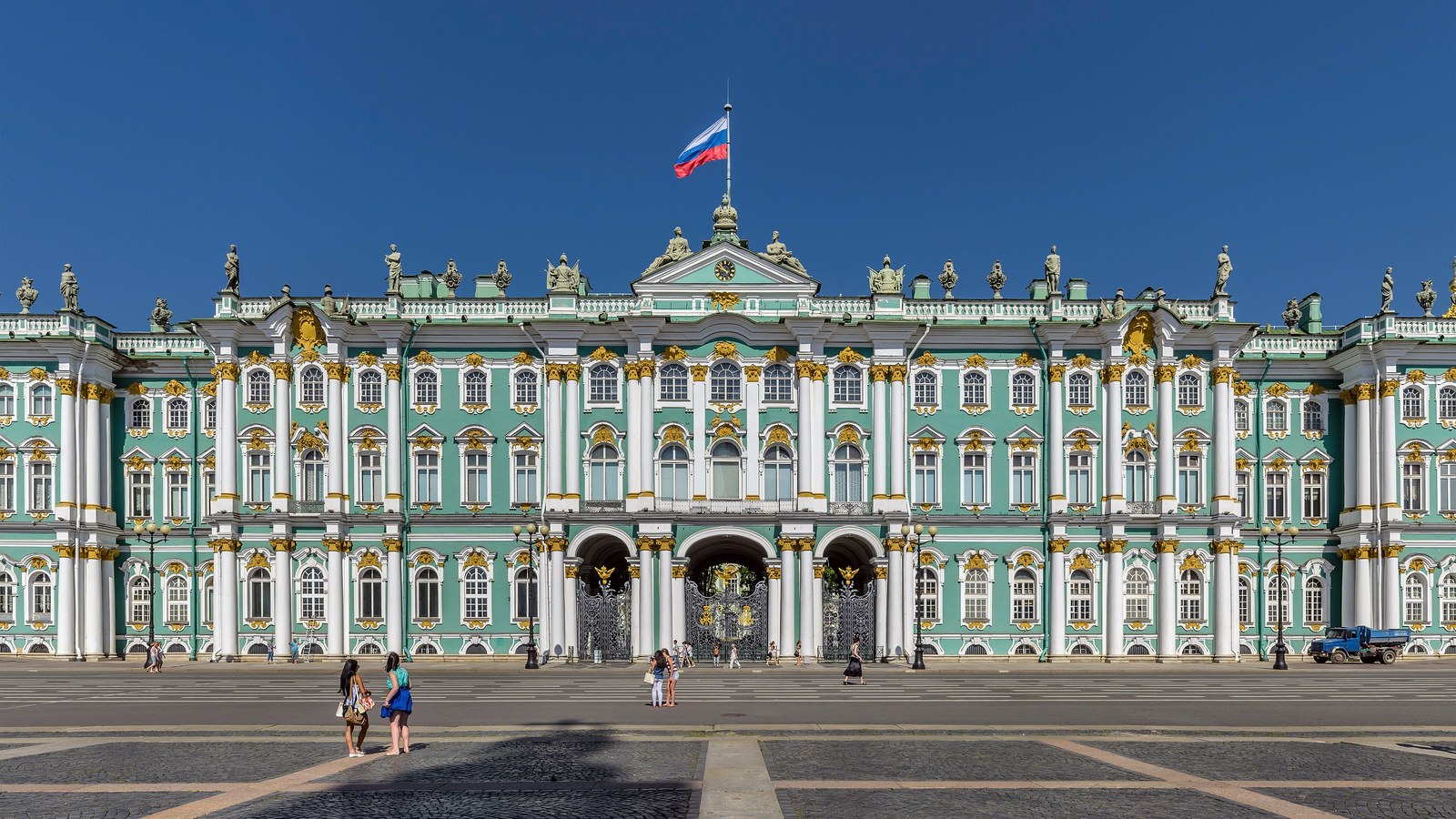
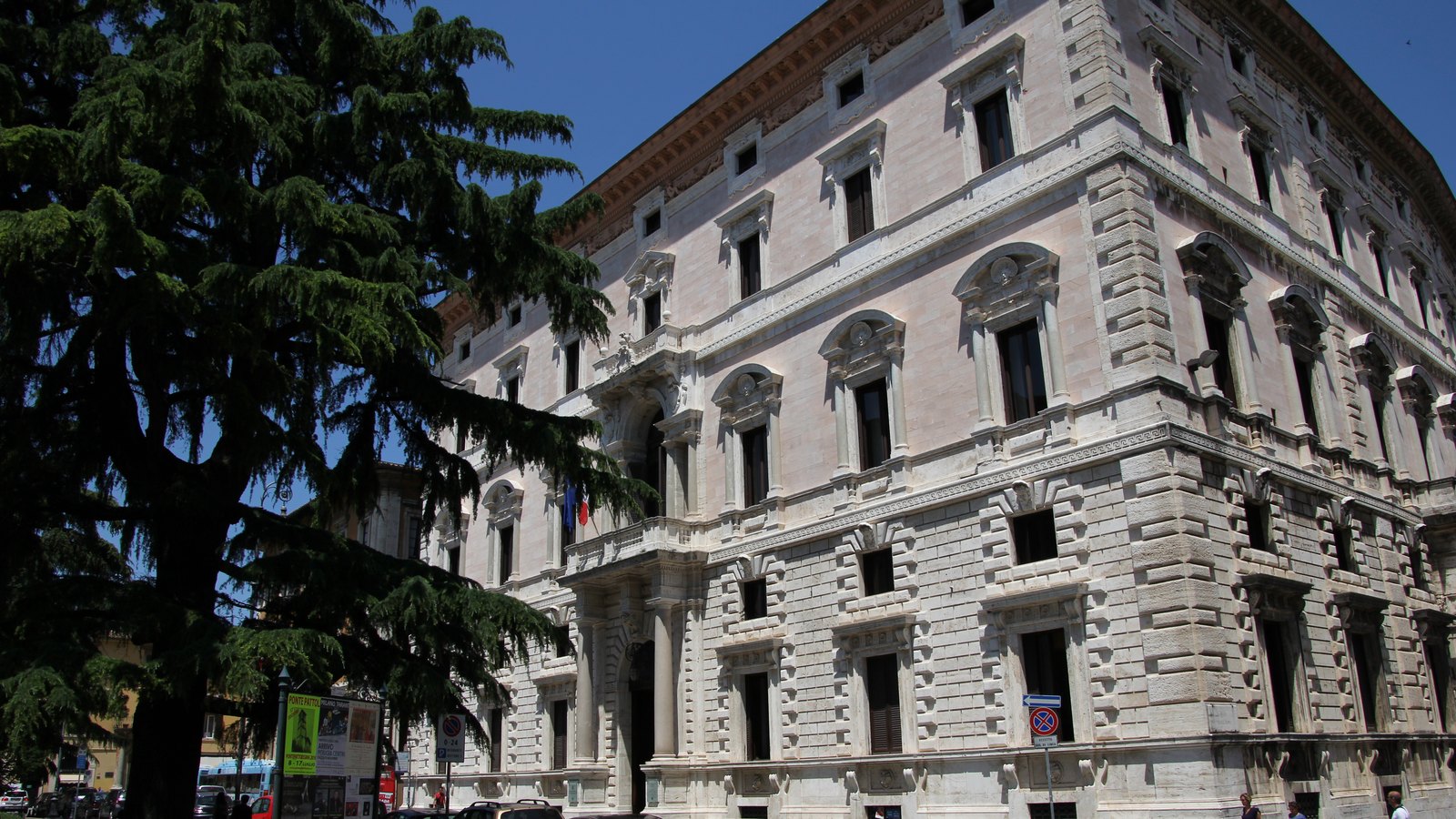
The signatories were Vladimir Putin, Tigran Sargsyan, Akil Akilov, Mikhail Myasnikovich, Karim Masimov, Omurbek Babanov, as acting prime minister, Mykola Azarov and Vlad Filat, for Russia, Armenia, Tajikistan, Belarus, Kazakhstan, Kyrgyzstan, Ukraine and Moldova. Azerbaijan, Turkmenistan and Uzbekistan have no signatures on the original. The cover shows the Winter Palace in Saint Petersburg, a landmark of the city, not the signing hall.
Sources consulted: Commonwealth of Independent States Treaty on Free Trade Area; official text, Договор о зоне свободной торговли.






0 Comments
No comments on this article yet. Be the first!