


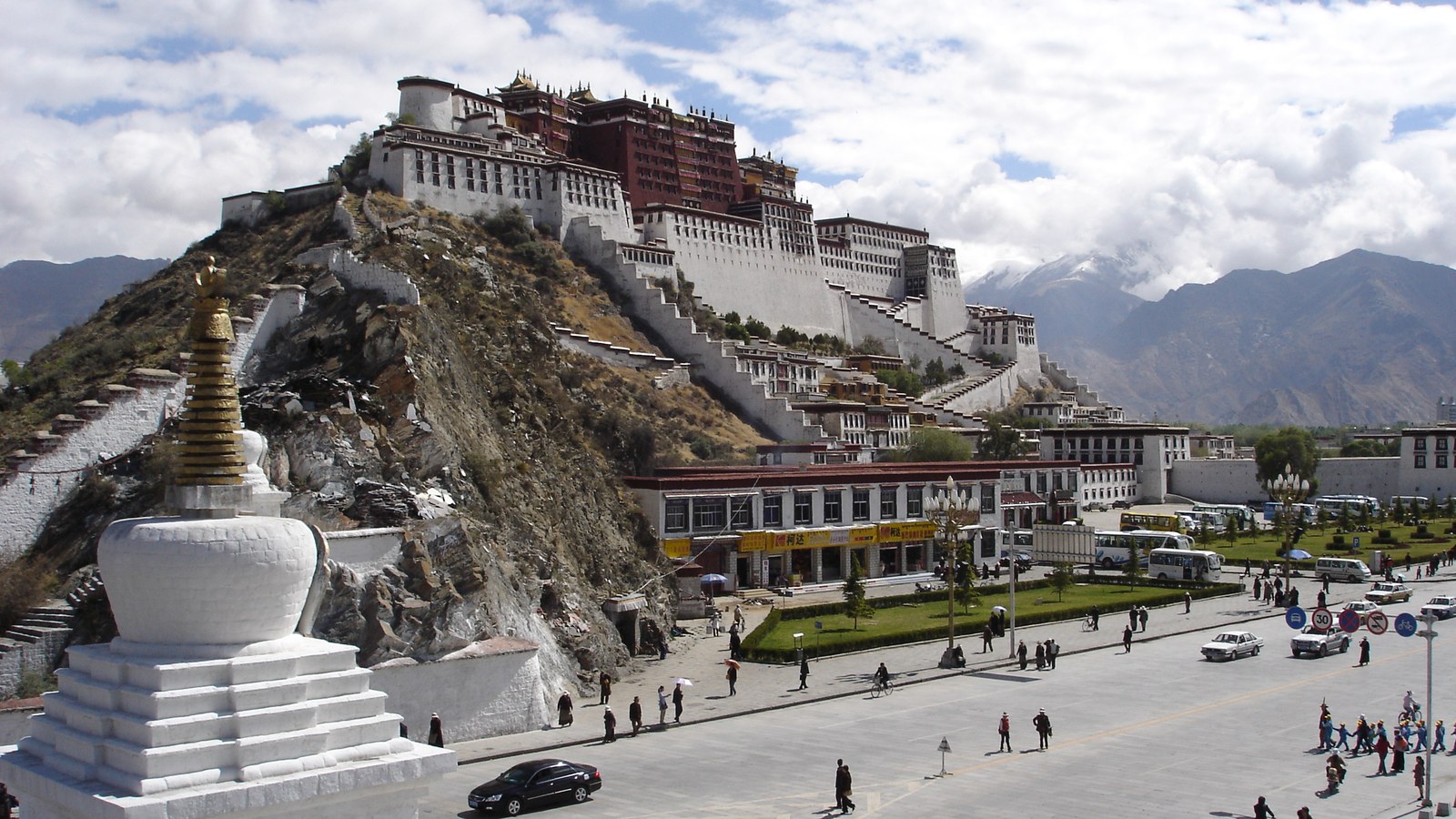
On 7 September 1904, in Lhasa, Great Britain and Tibet sign the Convention of Lhasa — the treaty concluded after the Younghusband expedition (1903–1904), officially the “Convention Between Great Britain and Thibet”.
The document opens trade marts at Yatung, Gyantse and Gartok, recognises the Sikkim–Tibet frontier, fixes an indemnity (later reduced) and temporary occupation of the Chumbi Valley until payment.
Article IX forbids Tibet to cede territory, admit foreign agents or grant concessions without British consent. The Qing Amban later repudiated the treaty; the Anglo-Chinese Convention of 1906 revised the terms.
The British signatory was Colonel Francis Younghusband; the Tibetan side included representatives of the Ganden Ti-Rimpoche and the great monasteries.
For the Great Game, 7 September 1904 marks the Lhasa signature.
The text is published on Wikisource and in British and Foreign State Papers.
The Convention of Lhasa of 7 September 1904 remains the British presence in Tibet milestone.
Image: Lhasa; Wikimedia Commons. Cropped to 16:9.
Source consulted: Convention of Lhasa. Treaty text: Wikisource — Treaty of Lhasa (1904).











0 Comments
No comments on this article yet. Be the first!