


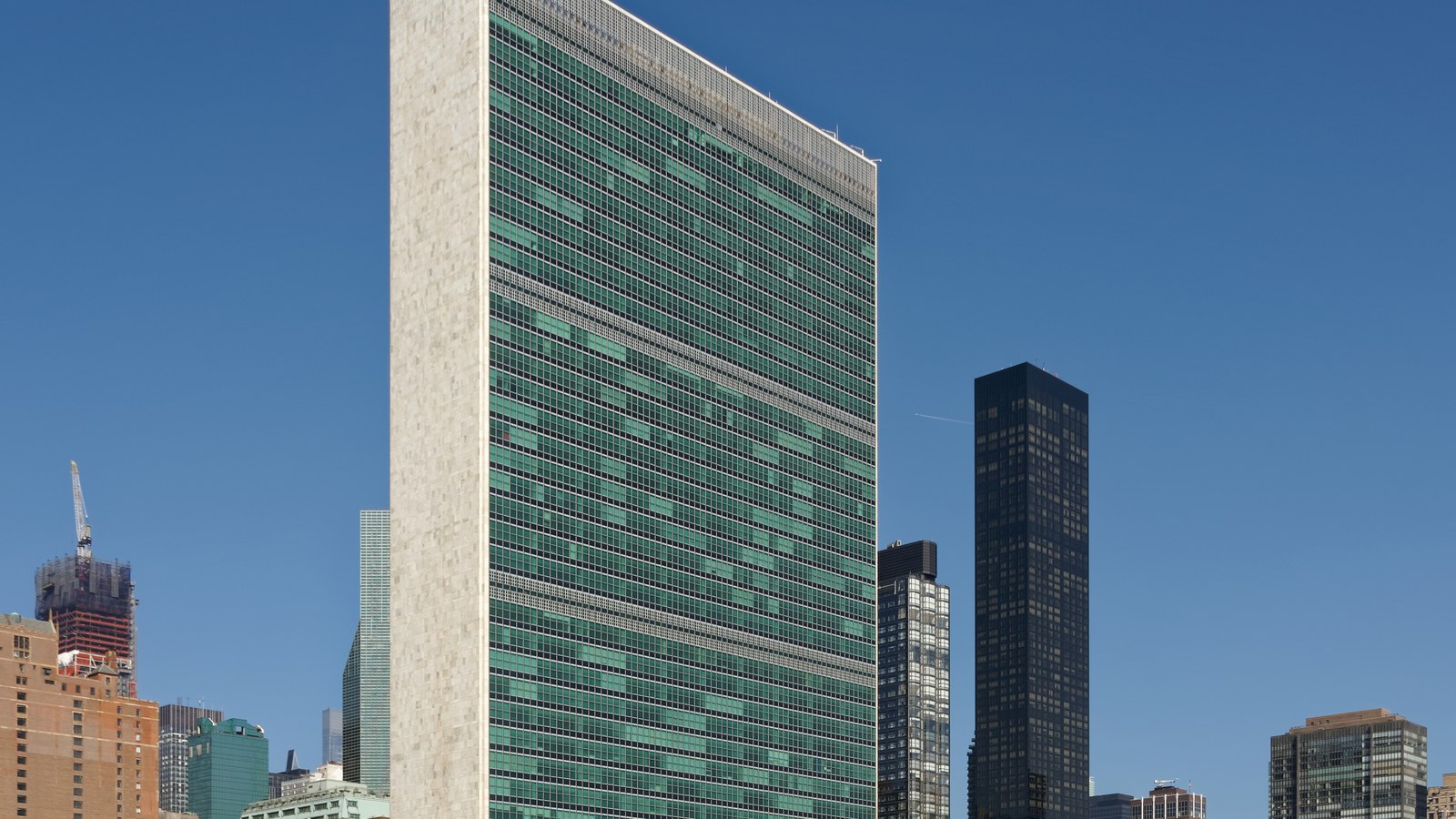
In New York, on 31 March 1953, the Convention on the Political Rights of Women opens for signature, after approval by the UN General Assembly on 20 December 1952 (409th plenary meeting). The depositary is the Secretary-General; the languages are Chinese, English, French, Russian and Spanish.
Articles I–III guarantee women’s rights to vote, to stand for election and to hold public office “on equal terms with men, without any discrimination.” The preamble echoes Article 21 of the Universal Declaration of Human Rights on participation in government.
The impetus comes from the UN Commission on the Status of Women, which surveyed member states; the replies became the basis of the text. In 1952 women’s suffrage existed in fewer than 100 countries.
It enters into force on 7 July 1954 after six ratifications. At documentation: 47 signatories and 123 parties. It is the first UN treaty dedicated to women’s equal political rights and the second international instrument obliging states to protect citizens’ political rights.
It is followed by the Convention on the Nationality of Married Women (1957/1958) and the Convention on Consent to Marriage (1962/1964). Its rights are later incorporated into CEDAW (1979).
The Convention on the Political Rights of Women of 31 March 1953 remains the classic UN standard of political equality for women in voting, eligibility and public office.
Image: UN headquarters; Wikimedia Commons. Cropped to 16:9.
Source consulted: Convention on the Political Rights of Women. Treaty text: Convention on the Political Rights of Women (UN Treaty Collection).









0 Comments
No comments on this article yet. Be the first!