


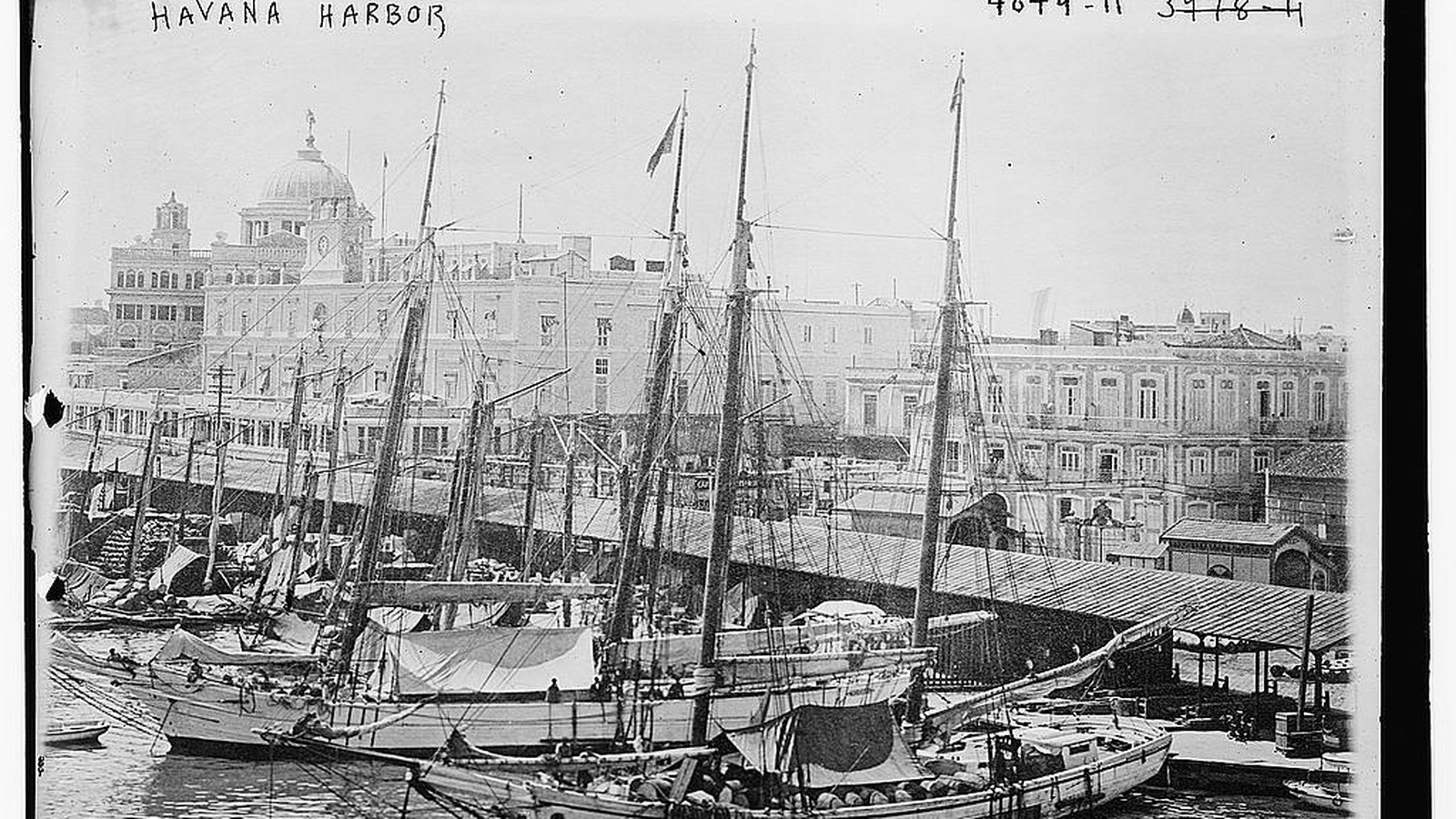
On 22 May 1903, in Havana, Cuba and the United States sign the Cuban–American Treaty of Relations — the instrument that embeds the Platt Amendment provisions in international law.
The 1901 Amendment had conditioned U.S. troop withdrawal on Cuba accepting a U.S. right to intervene and to lease bases. The Cuban Republic took power on 20 May 1902; the 1903 treaty meets the requirement that those clauses also be a treaty.
Entry into force: 1 July 1904. The text justified the second U.S. occupation (1906–1909), when William Howard Taft proclaimed himself provisional governor under Article III.
The treaty also contemplated the Guantánamo Bay leases (February and July 1903). It was largely superseded by the 1934 Treaty of Relations, which abrogated the Platt Amendment but kept the naval-station lease.
For Havana, 1903 meant sovereignty limited by U.S. tutelage; for Washington, a legal frame for Caribbean strategic interests.
The Avalon text of the treaty and the Bevans/TS citations remain the standard diplomatic sources.
The Cuban–American Treaty of 22 May 1903 remains the act that contractualised the Platt Amendment until 1934.
Image: Havana; Wikimedia Commons. Cropped to 16:9.
Source consulted: Cuban–American Treaty of Relations (1903). Treaty text: Agreement Between the United States and Cuba (Avalon).









0 Comments
No comments on this article yet. Be the first!