
EU finance ministers put a tax on energy companies’ windfall profits on the Dublin table on 18 September. The backdrop is oil above $100 a barrel, about 50% above the level before the Middle East escalation and the closure of the Strait of Hormuz, according to figures cited ahead of the meeting.
Germany, Spain, Portugal, Italy, Poland and Austria want a coordinated examination. German finance minister Lars Klingbeil has asked the Commission for options by the October Ecofin. Higher energy costs risk reheating inflation and household bills.
Commissioner Valdis Dombrovskis cut expectations: taxation is primarily a national competence, and the EU executive has no plan now for a common levy, though it remains open to discussion. Without a legislative draft, the debate stays political.
A windfall tax targets gains produced by an external price shock, not necessarily by new investment. Supporters want revenue for consumers; critics warn that an unpredictable hit may reduce investment and energy security.
The rate, companies covered, duration and destination of the money are not set. Any common formula must pass through 27 tax systems and energy mixes. An Ecofin agenda item is not a law.
Until a regulation text or parallel national measures exist, this article records a discussion among ministers, not an adopted tax.
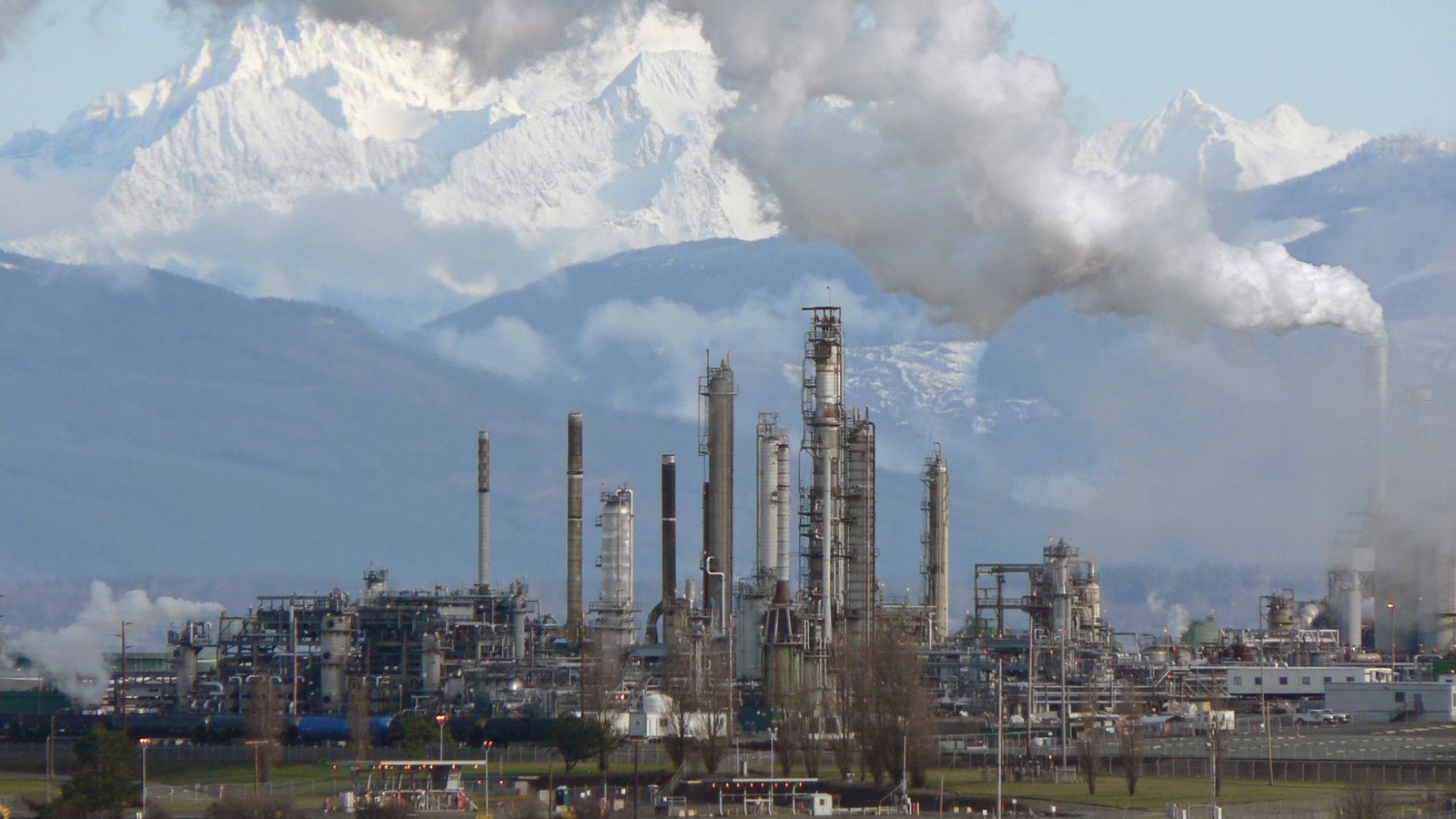
Image: Anacortes refinery / Wikimedia Commons. A US plant, not a European refinery and not the ministers’ meeting. Cropped to 16:9.
Source consulted: EU ministers to discuss taxing windfall profits | Reuters; Ecofin meetings | Council of the EU.



0 Comments
No comments on this article yet. Be the first!