


The European Social Charter was opened for signature at Turin on 18 October 1961 by the member States of the Council of Europe. The English and French texts are equally authentic, in a single copy deposited in the archives of the Council; the depositary is the Secretary General, who also notifies the Director-General of the International Labour Office. It entered into force on 26 February 1965, on the thirtieth day after the fifth instrument. It is not the Revised Charter of 1996, not the 1988 Additional Protocol, and not the 1995 Protocol on collective complaints.
Part I states nineteen aims, from the right to work and to just conditions to the protection of migrant workers. Article 20 treats them as a declaration of aims. Part II, Articles 1 to 19, binds a Party only to the extent accepted: each Party must consider itself bound by at least five of Articles 1, 5, 6, 12, 13, 16 and 19 and, in all, by at least ten articles or forty-five numbered paragraphs. The selection is notified when the instrument is deposited and may later be enlarged, with effect from the thirtieth day.
Article 1 concerns the right to work, including a high and stable level of employment and free employment services. Articles 2 to 4 concern working hours, paid public holidays, at least two weeks of annual holiday with pay, a weekly rest, safe and healthy working conditions, and remuneration such as to provide a decent standard of living, equal pay for work of equal value, and a reasonable period of notice. Article 5 secures the freedom of workers and employers to organise. Article 6 promotes joint consultation, collective bargaining and conciliation, and recognises the right to collective action in conflicts of interest, including the right to strike, subject to obligations arising from collective agreements already concluded. The clause names the right; it does not describe an action.
Article 7 protects children and young persons in employment, through limits of age, hours and night work which the Charter and domestic law set. Article 8 protects employed women, including in relation to maternity. Articles 9 and 10 concern vocational guidance and training. Article 11, the protection of health. Articles 12 to 14, social security, social and medical assistance, and social welfare services. Article 15, vocational training, rehabilitation and resettlement of disabled persons. Articles 16 and 17, protection of the family and of mothers and children, irrespective of marital status. Articles 18 and 19, the right to engage in a gainful occupation in the territory of another Party and the protection of migrant workers and their families. None of them is a hiring code.
Part IV organises supervision through biennial reports on the accepted provisions and, at intervals requested by the Committee of Ministers, reports on those not accepted. The reports are examined by a committee of experts, with the participation of the International Labour Organisation, then by a governmental sub-committee, the Consultative Assembly and the Committee of Ministers. Article 20, paragraph 5, requires a system of labour inspection appropriate to national conditions, without describing its methods.
Article 30 permits derogations in time of war or public emergency, to the extent strictly required by the situation. Article 31 allows restrictions prescribed by law and necessary in a democratic society. Article 32: the Charter does not prejudice more favourable rights in domestic law or in other instruments. Article 33: implementation may also be by collective agreements. Article 34 permits territorial extension. Article 38 makes the appendix an integral part.
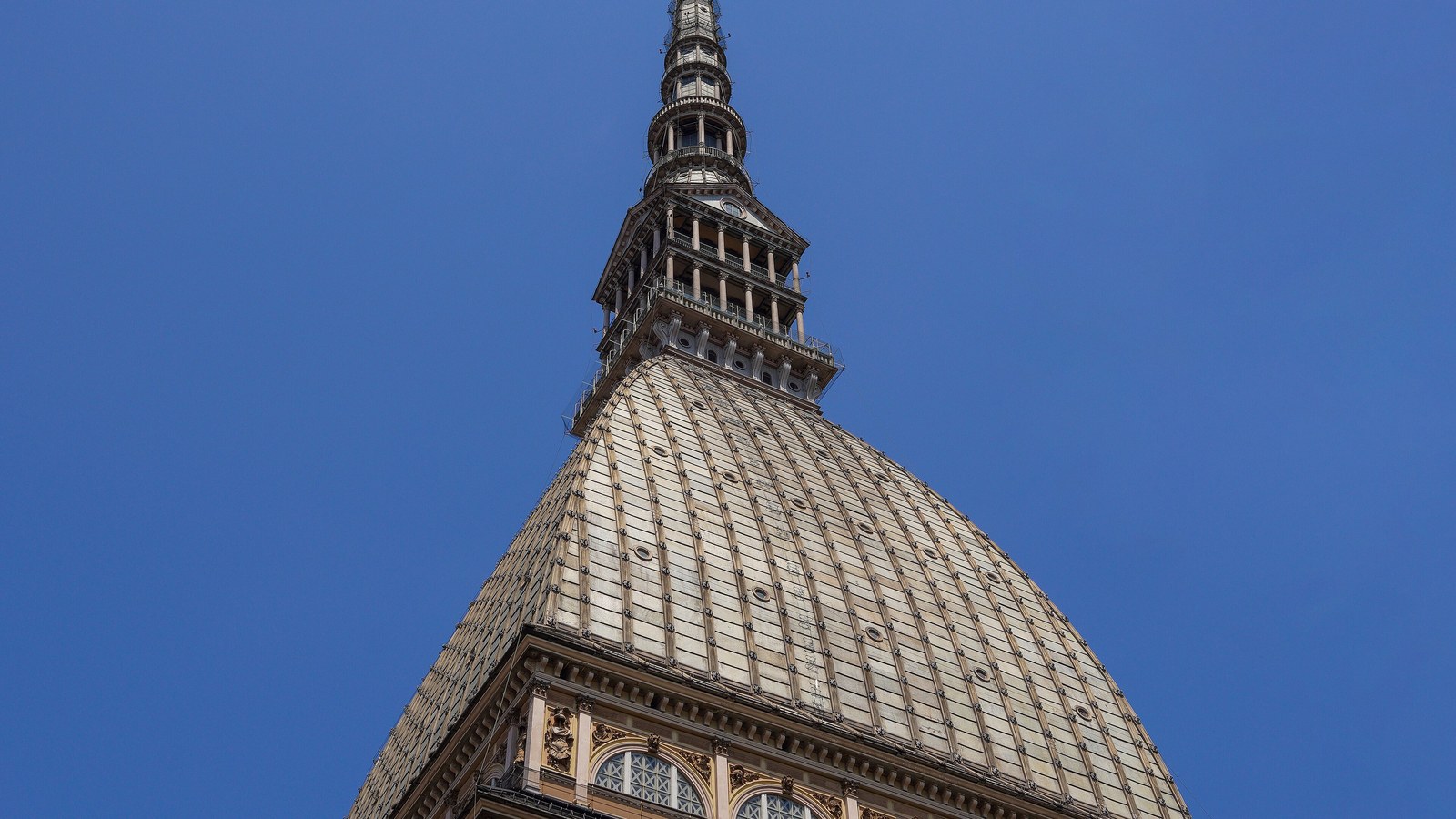
Article 35: ratification or approval by deposit with the Secretary General; for a later signatory, entry into force on the thirtieth day after its own instrument. Article 36: amendments enter into force on the thirtieth day after acceptance by all the Parties. Article 37: denunciation only at the end of five years from entry into force for that Party, or of any successive period of two years, on six months’ notice, so long as at least five Parties remain; a Party may not fall below ten articles or forty-five paragraphs, nor drop the core it selected under Article 20. The cover shows the Mole Antonelliana in Turin, a landmark of the city where the Charter was opened, not the signing hall.
Sources consulted: European Social Charter; official text, European Social Charter (ETS No. 35).







0 Comments
No comments on this article yet. Be the first!