


In Bucharest, on 23 March 1939, the Kingdom of Romania and the German Reich sign the Treaty for the Development of Economic Relations between the Two Countries. The signatories are Grigore Gafencu and Ion Bujoiu (Romania) and Wilhelm Fabricius and Helmuth Wohlthat (Germany). The texts are Romanian and German; provisional application begins at signature.
Article I sets a multi-year economic plan on balanced reciprocal trade: steering agriculture (oilseeds, fibre crops), agricultural industries, forestry, mixed companies for copper (Dobruja), chrome (Banat), manganese (Vatra Dornei–Broșteni), bauxite/aluminium, oil and drilling, free zones for German shipping, arms deliveries, roads and waterways, and banking cooperation.
The treaty is signed a week after the seizure of Prague and on the day Hitler enters Klaipėda. The Western press (including Time) calls it among the most humiliating economic concessions by a modern state, casting Romania as a German economic dependency.
It enters into force one month after the exchange of ratifications in Berlin and remains in force until 31 March 1944, with tacit renewal. The governmental committees under the 1935 commercial treaty implement it.
In practice the agreement steers Romanian oil, grain and raw materials toward the needs of the German war machine, amid political pressure on Bucharest on the eve of the world war.
The German–Romanian economic treaty of 23 March 1939 remains the instrument that tied Romania’s economy to the Reich on the eve of the Second World War.
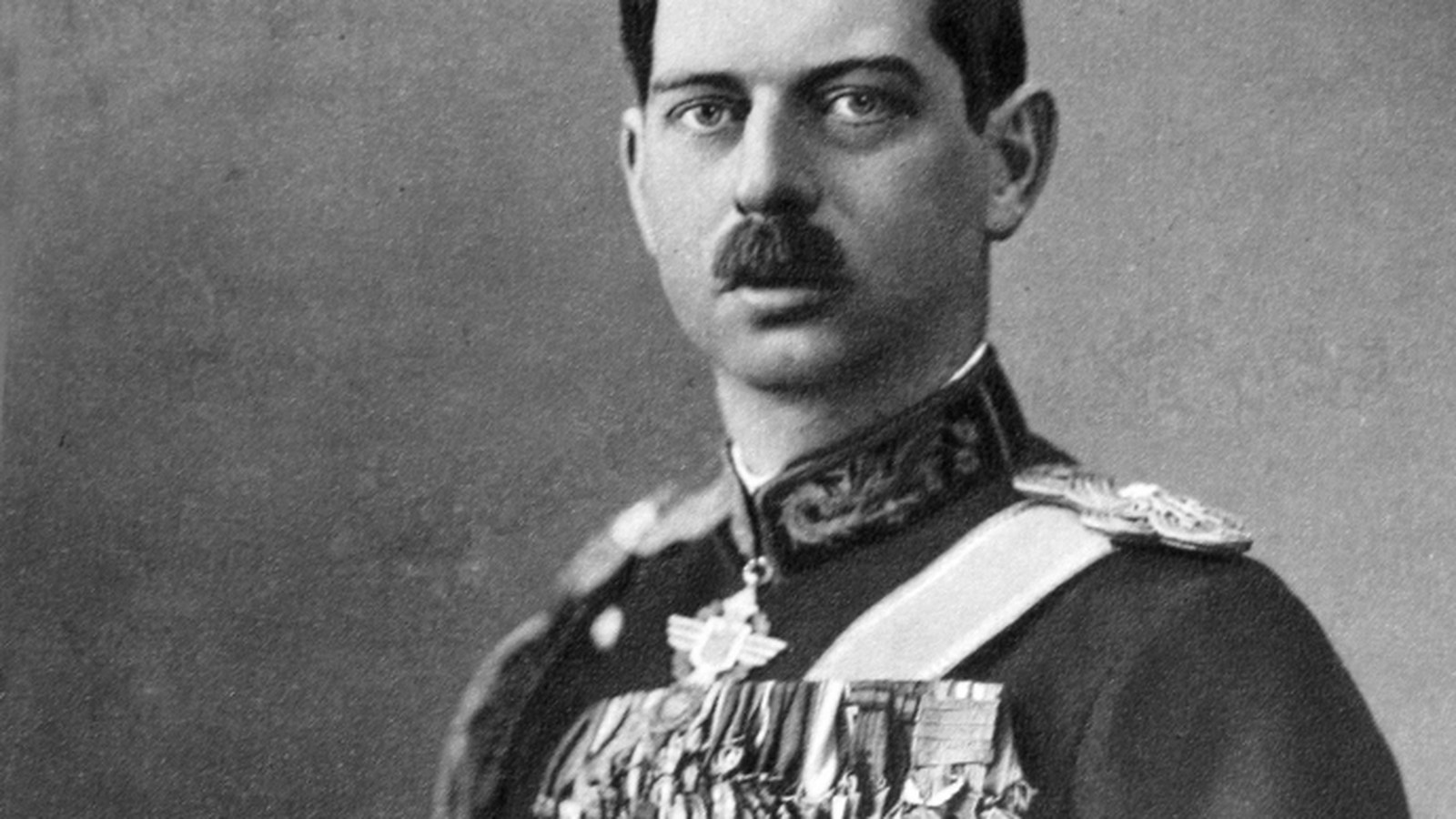
Image: Bucharest / period figure; Wikimedia Commons. Cropped to 16:9.
Source consulted: German–Romanian Treaty for the Development of Economic Relations. Treaty text: German–Romanian Economic Agreement of 23 March 1939 (Forost).











0 Comments
No comments on this article yet. Be the first!