


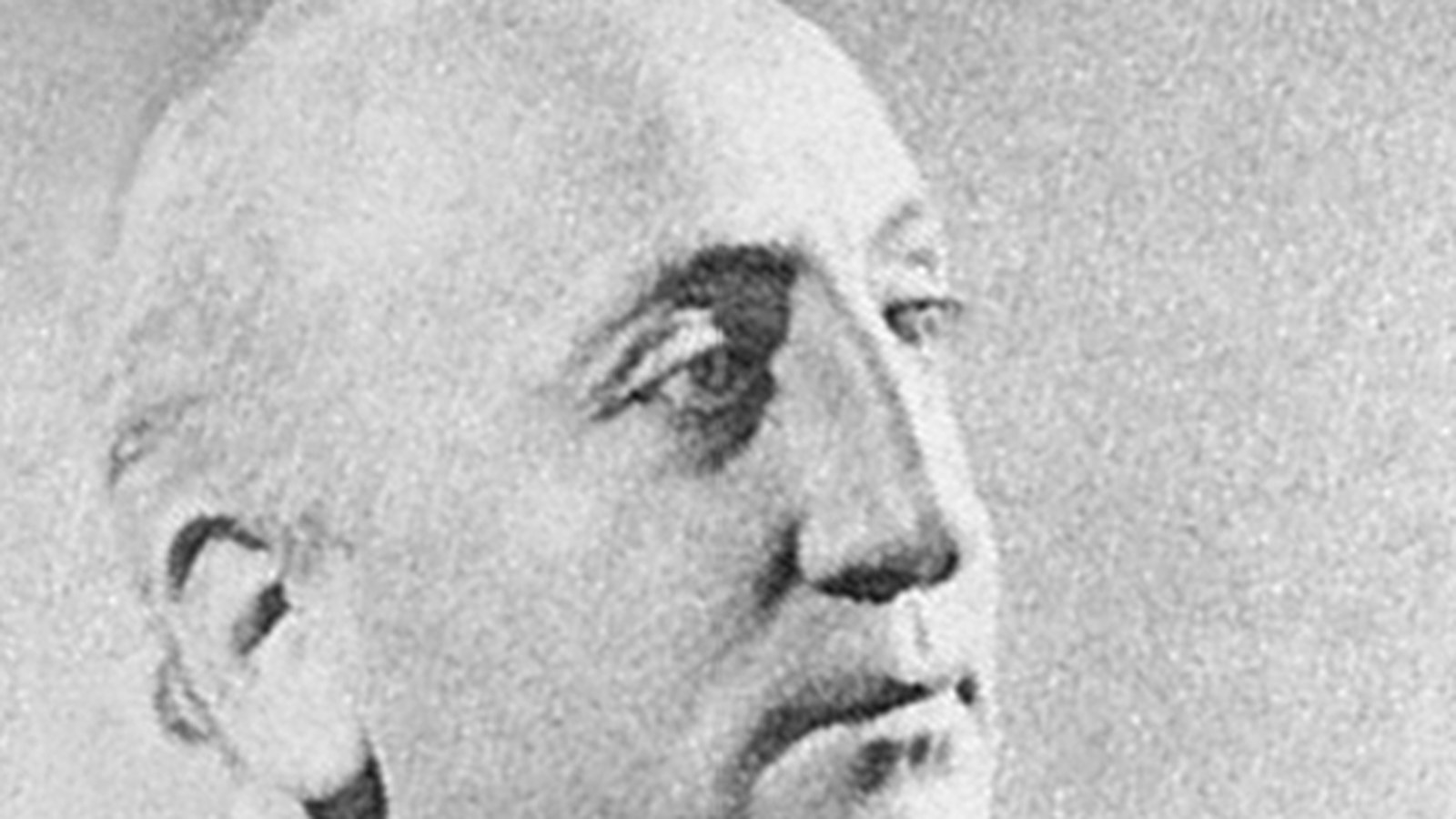
In Moscow, on 11 February 1940, the German Reich and the Union of Soviet Socialist Republics sign the German–Soviet Commercial Agreement (Economic Agreement of 11 February 1940). The signatories named on the instrument include, for the Soviet side, Anastas Mikoyan and N. Baburin; for the German side, K. Ritter and K. Schnurre. The texts are in German and Russian. The Agreement rests on the correspondence of 28 September 1939 between the Reich Minister for Foreign Affairs and the Chairman of the Council of People’s Commissars, Molotov, and supplements the Commercial Agreement of 19 August 1939.
From 11 February 1940, the Soviet Union undertakes to deliver to Germany commodities (oil, raw materials and grain) to the value of about 420 to 430 million Reichsmarks, in addition to deliveries under the August 1939 agreement. The German Foreign Office memorandum of 26 February 1940, published in Nazi–Soviet Relations, fixes Soviet deliveries within 18 months, compensated by German industrial deliveries within 27 months, with mutual balances every six months; if the fixed ratio is not met, the other side may temporarily suspend deliveries.
For the first treaty year the memorandum estimates Soviet raw materials of about 500 million RM, plus about 100 million RM under the Credit Agreement of 19 August 1939: one million tons of grain and legumes, 900,000 tons of mineral oil, 100,000 tons of cotton, phosphates, chrome and iron ores, scrap and pig iron, platinum, manganese, metals and lumber. Transit rights through Soviet territory to and from Romania, Iran, Afghanistan and the Far East are confirmed, with Trans-Siberian freight rates reduced for soybeans.
German deliveries comprise industrial products, processes and installations as well as war materiel. The Soviet Union receives, among other items, the incomplete Admiral Hipper-class cruiser Lützow, plans of the battleship Bismarck, naval gear, samples of contemporary warplanes and industrial equipment. A Confidential Protocol provides that the Soviet Union shall purchase metals and other goods in third countries on Germany’s behalf.
The pact helps Germany to circumvent the British blockade; Soviet rubber, grain and oil deliveries later support the German war effort. The countries further settle issues in the Border and Commercial Agreement of 10 January 1941. On 22 June 1941 Germany invades the Soviet Union in breach of the Molotov–Ribbentrop Pact; the economic agreements end.
Between January 1940 and the invasion, estimated Soviet exports to Germany total about 597.9 million RM and German deliveries about 437.1 million RM. The present text concerns the Agreement of 11 February 1940, not the Commercial Agreement of 19 August 1939.
Image: Karl Ritter (1938), German plenipotentiary; public domain, Wikimedia Commons. Cropped to 16:9.
Source consulted: German–Soviet Commercial Agreement (1940). Treaty text: Memorandum on the German–Soviet Commercial Agreement signed on February 11, 1940 (Avalon / Nazi–Soviet Relations).









0 Comments
No comments on this article yet. Be the first!