


On 20 May 1921, in Beijing, Germany and China sign the Agreement Regarding the Restoration of the State of Peace — the bilateral end of the state of war after the First World War.
China had refused to sign the 1919 Treaty of Versailles because it transferred former German concessions in Shandong to Japan. Without a bilateral peace, the diplomatic state of war between Berlin and Beijing remained open.
The agreement restores diplomatic and trade relations and abolishes German consular jurisdiction over German nationals in China, a practice that had existed before the war.
A joint declaration ties relations to the main Versailles provisions without recognising the transfer of Chinese territories to Japanese control. The text is registered in the League of Nations Treaty Series on 15 May 1922.
Military and economic cooperation between the two governments lasted until near the Second World War, when Germany drew closer to Japan through the Anti-Comintern Pact.
On 15 September 1919, President Xu Shichang had already lifted the enemy-state restrictions China applied to Germany, paving the way for the 1921 agreement.
The agreement of 20 May 1921 remains the separate Sino-German peace against the backdrop of the Shandong dispute.
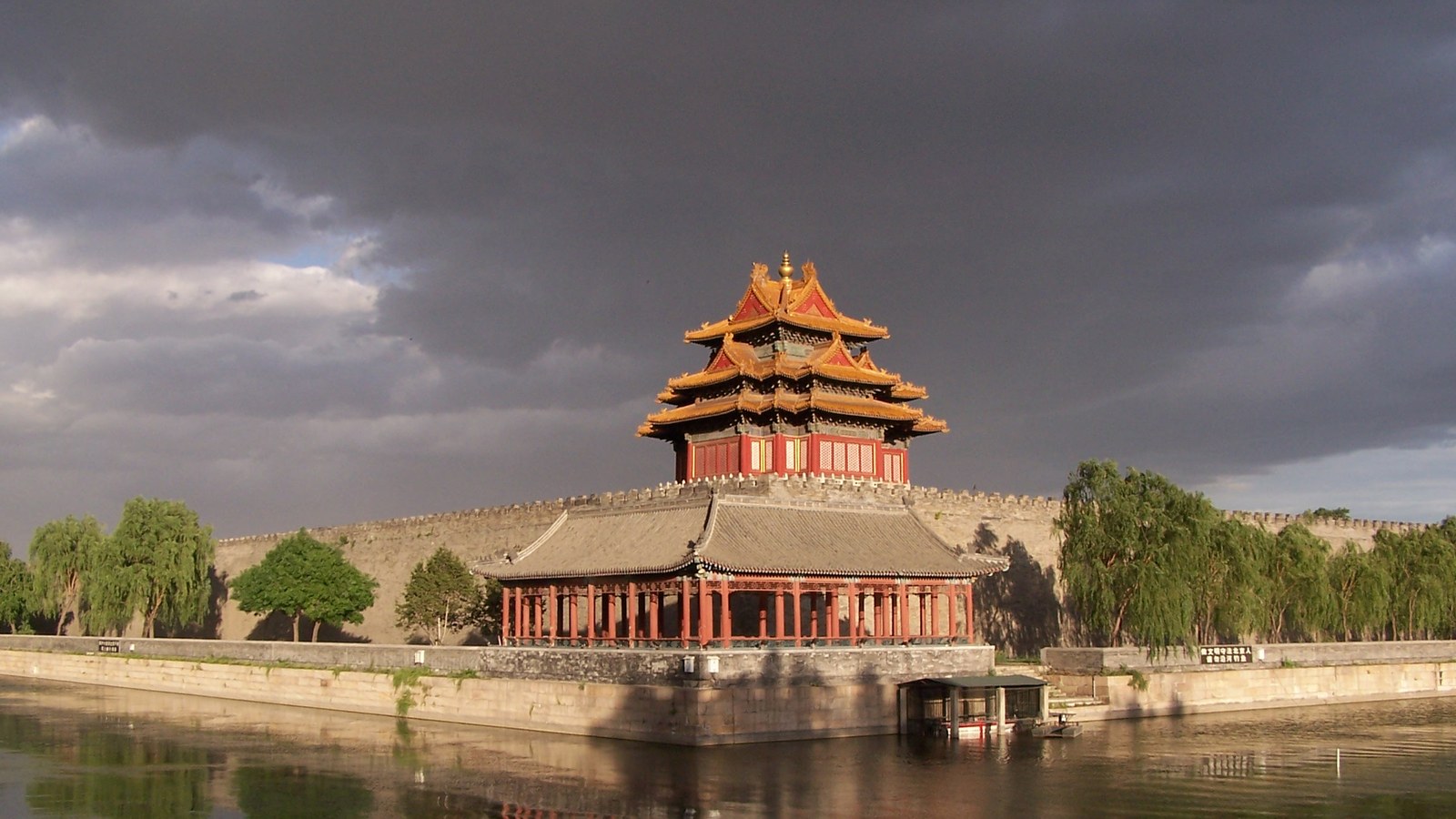
Image: Beijing; Wikimedia Commons. Cropped to 16:9.
Source consulted: Agreement Regarding the Restoration of the State of Peace between Germany and China (1921). Treaty text: FRUS: China–Germany peace notes (Office of the Historian).











0 Comments
No comments on this article yet. Be the first!