


On 15 May 2009, in Hong Kong, the International Maritime Organization adopts the International Convention for the Safe and Environmentally Sound Recycling of Ships — the Hong Kong Convention.
The text answers the dangers of beach breaking (India, Bangladesh, Pakistan, China): accidents, occupational disease, asbestos, PCBs, TBT. Recycling remains the most environmentally sound way to dispose of a ship, but current methods are unacceptable.
Ships over 500 GT must carry an Inventory of Hazardous Materials throughout their life. Depositary: the IMO Secretary-General; languages: Arabic, Chinese, English, French, Russian and Spanish.
Entry-into-force conditions: 15 states, 40% of world tonnage and 3% of recycling tonnage over 10 years. The Convention entered into force on 26 June 2025.
The EU Ship Recycling Regulation (2013) follows the Hong Kong model but with stricter standards and a European list of approved yards.
The official text is on the IMO site. For shipping, Hong Kong 2009 marks the shift from soft law to safe-recycling obligations.
The Hong Kong Convention of 15 May 2009 remains the IMO treaty regulating ships’ end of life.
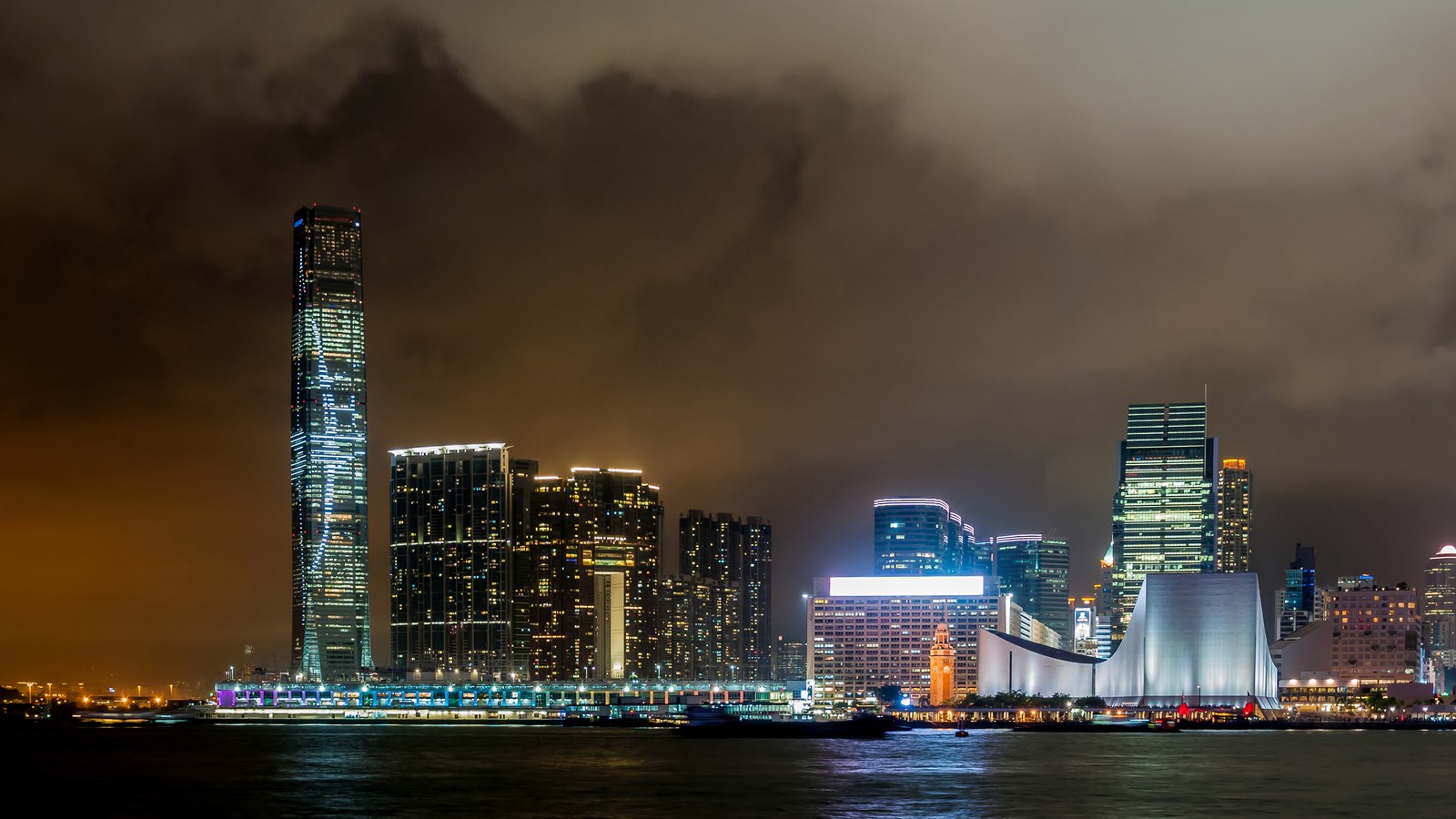
Image: Hong Kong; Wikimedia Commons. Cropped to 16:9.
Source consulted: Hong Kong Convention on Ship Recycling. Treaty text: Hong Kong Convention (IMO).











0 Comments
No comments on this article yet. Be the first!