
The International Monetary Fund has warned that Angola needs to continue economic reforms and reduce its dependence on oil, even as a favourable external environment has helped strengthen the country's external position, support activity outside the oil sector and bring inflation down. The findings were released on September 9, 2026, after a mission conducted as part of the Fund's Post-Financing Assessment process.
An IMF team led by Mika Saito held discussions with Angolan authorities between August 24 and September 9, both virtually and in the capital, Luanda. The team met representatives of the government, the National Bank of Angola, Parliament, civil society, the private and financial sectors, and development partners.
The assessment presents a mixed picture. Favourable external conditions have supported a stronger external position, non-oil economic activity and improved market access, while inflation has been declining. According to IMF staff, however, the same environment slowed the pace of macroeconomic adjustment and of reforms considered critical to reducing Angola's oil dependence and addressing economic vulnerabilities.
Angola is one of Africa's major oil producers, and hydrocarbon revenues continue to weigh heavily on public finances and the wider economy. That structure leaves the country exposed to swings in international oil prices. IMF staff identify oil-price volatility as one of the downside risks to the outlook, alongside tighter external financing conditions and possible delays in fiscal consolidation and the implementation of reforms.
The recommendations issued after the mission should not be read as measures already adopted by the Angolan authorities. Staff argue that preserving the macroeconomic stability achieved in recent years will require more disciplined fiscal policy, prudent monetary policy and exchange-rate flexibility. The Fund also calls for further structural reforms to improve the business environment, strengthen governance and attract foreign investment. Diversification remains a central challenge: expanding non-oil industries could reduce Angola's exposure to fluctuations in global energy markets.
The current assessment follows a period in which Angola received substantial financial support from the IMF. A Post-Financing Assessment is used for countries that still have IMF credit outstanding above specified thresholds but are no longer under an IMF-supported programme or a staff-monitored programme. The process examines economic policies, whether the macroeconomic framework is consistent with medium-term viability, and the country's capacity to repay the Fund.
The conclusions published on September 9 are preliminary and those of the IMF staff mission; they do not, at this stage, represent the views of the IMF Executive Board. Angola's 2026 assessment is expected to be discussed by the Executive Board in November. The latest message should therefore not be interpreted as a warning of an immediate crisis. Angola has benefited from several positive developments, but IMF staff argue that improved conditions should not weaken the momentum for reform. For an economy still heavily tied to oil, a period of relative stability may be the moment to accelerate diversification before international conditions become less favourable.
Source consulted: IMF Staff Completes Post-Financing Assessment Mission to Angola
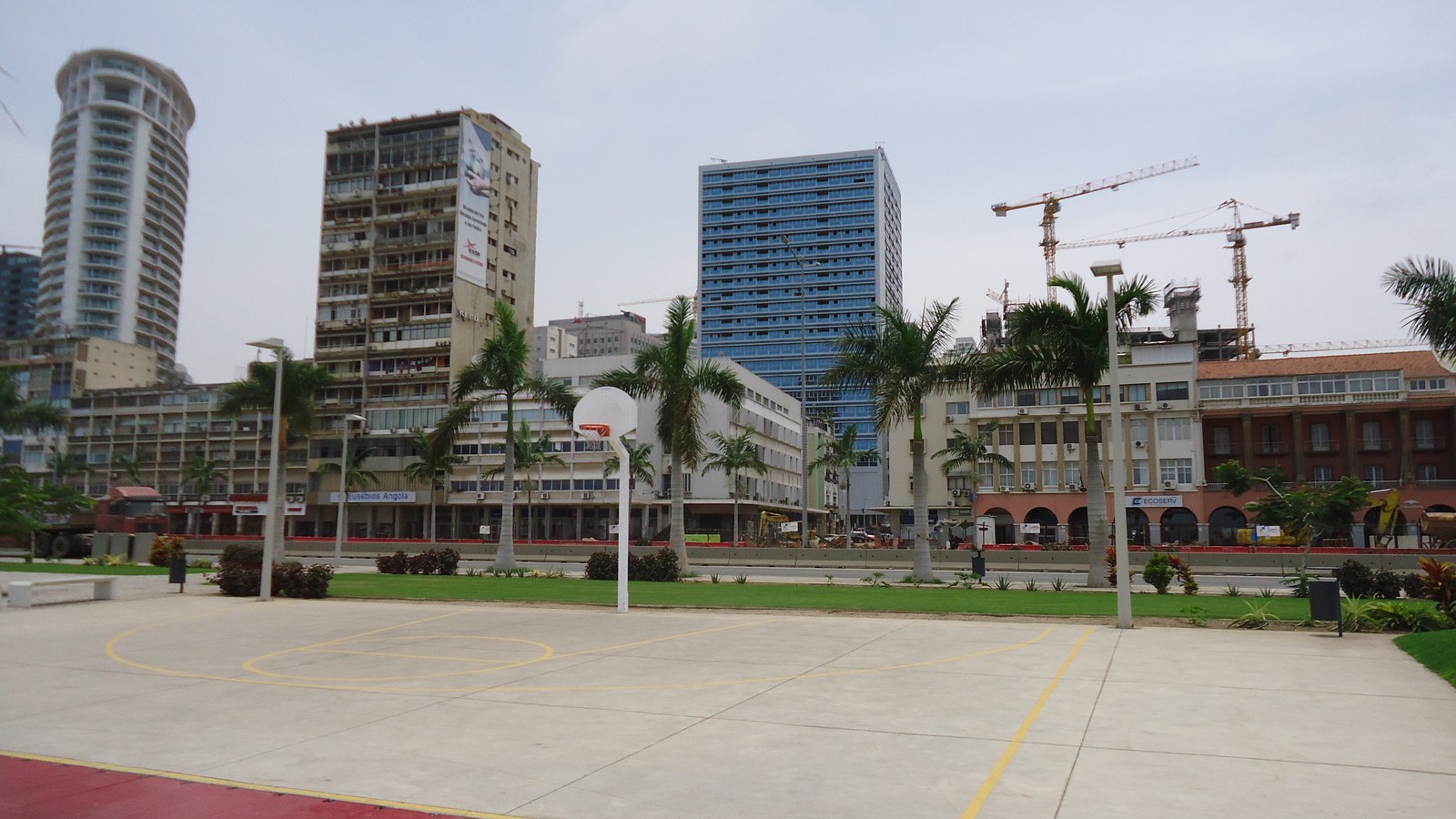
Photo: Fabio Vanin, Avenida 4 de Fevereiro (the Marginal), Luanda, 2013. Wikimedia Commons, CC BY-SA 3.0.


0 Comments
No comments on this article yet. Be the first!