


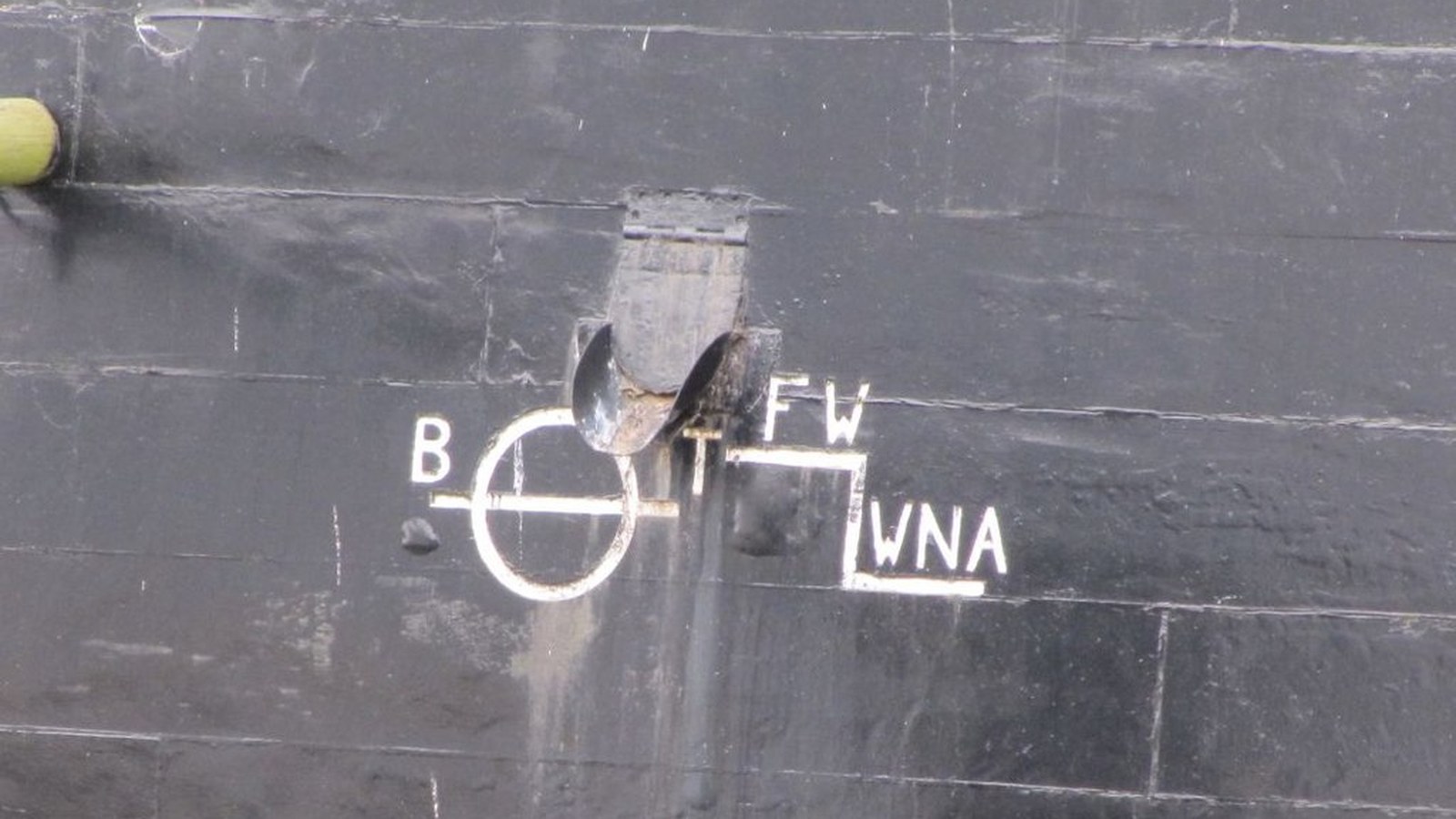
In London, on 5 April 1966, the International Convention on Load Lines (CLL) is signed. The depositary is the International Maritime Organization (IMO); the texts are English and French. It enters into force on 21 July 1968 after 15 ratifications (including 7 with over one million gross tonnage).
The Convention sets the load line (freeboard) on the hull — the modern Plimsoll mark: a ship loaded past the visible line exceeds its draft and risks stability. It replaces the 1930 convention of the same name, itself rooted in Samuel Plimsoll’s 1870s British reforms.
Annexes regulate ship types (A – tankers; B – bulkers, containers, passenger ships), zones and seasons (e.g. winter North Atlantic), markings, the International Load Line Certificate and port-state control. Classification societies calculate and verify freeboard.
The 1988 Protocol harmonises surveys and certification with SOLAS and MARPOL. Later amendments followed (including the III Code, in force from 2018). At documentation: 40 signatories and 162 parties.
All ships on international voyages must display load lines amidships on each side and undergo initial, annual and renewal surveys.
The International Convention on Load Lines of 5 April 1966 remains the IMO standard that caps maximum loading for ships on international routes.
Image: ship / IMO; Wikimedia Commons. Cropped to 16:9.
Source consulted: International Convention on Load Lines. Treaty text: International Convention on Load Lines (IMO).











0 Comments
No comments on this article yet. Be the first!