


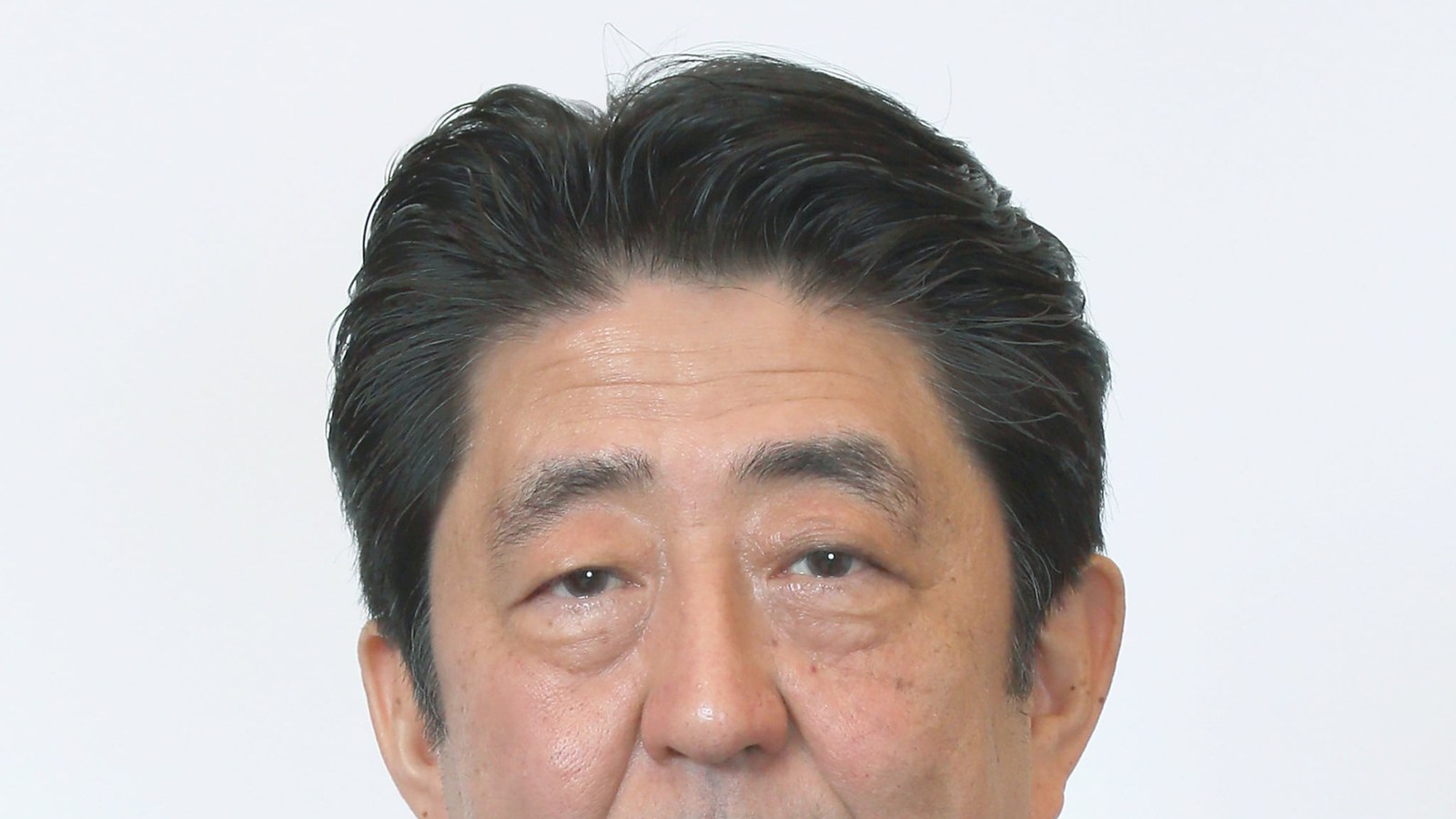
In Tokyo, on 3 April 2007, Japan and Thailand sign the Japan–Thailand Economic Partnership Agreement (JTEPA). The signatories are Prime Minister Shinzō Abe and Thai Prime Minister Surayud Chulanont. It is Japan’s fourth bilateral EPA, after Singapore, Malaysia and the Philippines.
The agreement eliminates tariffs on more than 90% of bilateral trade within ten years. Japan immediately removes tariffs on almost all Thai industrial products; Thailand immediately removes tariffs on half of Japanese steel, the rest by 2017.
Japanese auto parts (except five) become duty-free by 2012; the five follow over seven years. The tariff on Japanese cars over 3000 cc falls to 60% from 80% by 2011, with later renegotiation. Japan removes tariffs on processed shrimp and tropical fruit; Thailand on Japanese apples, pears and yams. Japanese rice, wheat and dairy stay outside liberalisation.
Labour mobility is limited: Japan cuts the minimum work experience for Thai cooks from ten years to five. The expectation: more Japanese auto and electronics sales in Thailand; Japanese firms outsourcing basic manufacturing there.
Thailand’s Ministry of Foreign Affairs publishes the official JTEPA page; the MFA archive documents the agreement.
JTEPA of 3 April 2007 remains the EPA that tied Japanese industry to Thai markets and supply chains in Southeast Asia.
Image: Tokyo / period; Wikimedia Commons. Cropped to 16:9.
Source consulted: Japan–Thailand Economic Partnership Agreement. Treaty text: Agreement between Japan and the Kingdom of Thailand for an Economic Partnership (MOFA).






0 Comments
No comments on this article yet. Be the first!