


At Kumanovo, on 9 June 1999, Lieutenant-General Sir Michael Jackson, commander of the International Security Force (KFOR), Colonel-General Svetozar Marjanović, of the Yugoslav Army General Staff, and Lieutenant-General Obrad Stevanović, of the Serbian Ministry of Internal Affairs, signed the Military Technical Agreement between KFOR and the Governments of the Federal Republic of Yugoslavia and the Republic of Serbia. The languages are English, French and Serbian. It enters into force upon signature. The instrument has six articles and two appendices.
The Kumanovo Agreement is not the Ahtisaari–Milošević document of 3 June 1999, nor Security Council Resolution 1244 of 10 June, nor the start of Operation Allied Force on 24 March, nor the Rambouillet conference. On the instrument Jackson, Marjanović and Stevanović signed, not Pavković.
Article I reaffirms the document presented by President Ahtisaari to Milošević and approved by the Serb parliament and the Federal Government on 3 June: effective international civil and security presences in Kosovo under UN auspices. KFOR deploys after the Security Council resolution, without hindrance, with authority to take all necessary action. FRY Forces include the army, paramilitaries, Ministry of Internal Affairs police, reserves and any group so designated by the KFOR commander. The Air Safety Zone (ASZ) is 25 km beyond the provincial border; the Ground Safety Zone (GSZ) is 5 km. FRY Forces shall not enter, re-enter or remain in Kosovo, the GSZ or the ASZ without the KFOR commander’s prior express consent. Local police may remain in the GSZ.
Article II: upon entry into force, FRY Forces refrain from any hostile or provocative act. Ground withdrawal, in 11 days: by EIF+1, Zone 3 is vacated by designated routes; once verified, NATO air strikes are suspended, provided the Security Council also adopts the resolution so rapidly that a security gap is avoided. By EIF+6, Zone 1; by EIF+9, Zone 2; by EIF+11, all Kosovo, to locations in Serbia outside the 5 km GSZ. Minefields, booby traps and obstacles are marked and cleared. Air and air-defence forces leave Kosovo and the ASZ by EIF+3. The bombing campaign terminates on complete withdrawal.
Article III: within two days the authorities furnish KFOR detailed records of mines, unexploded ordnance and other hazards. Article IV establishes a Joint Implementation Commission. Article V: the KFOR commander is the final authority regarding interpretation of the Agreement and the security aspects of the settlement; his determinations bind all Parties. Article VI: the Agreement enters into force upon signature.
Appendix B gives KFOR the right to operate without hindrance, including the use of military force, to observe any facility with a military or police capability, and to compel the removal of forces. KFOR is not liable for damage caused in the course of duties. A Status of Forces Agreement (SOFA) was to be concluded as soon as possible. The Kumanovo Agreement is not Resolution 1244 of the following day.
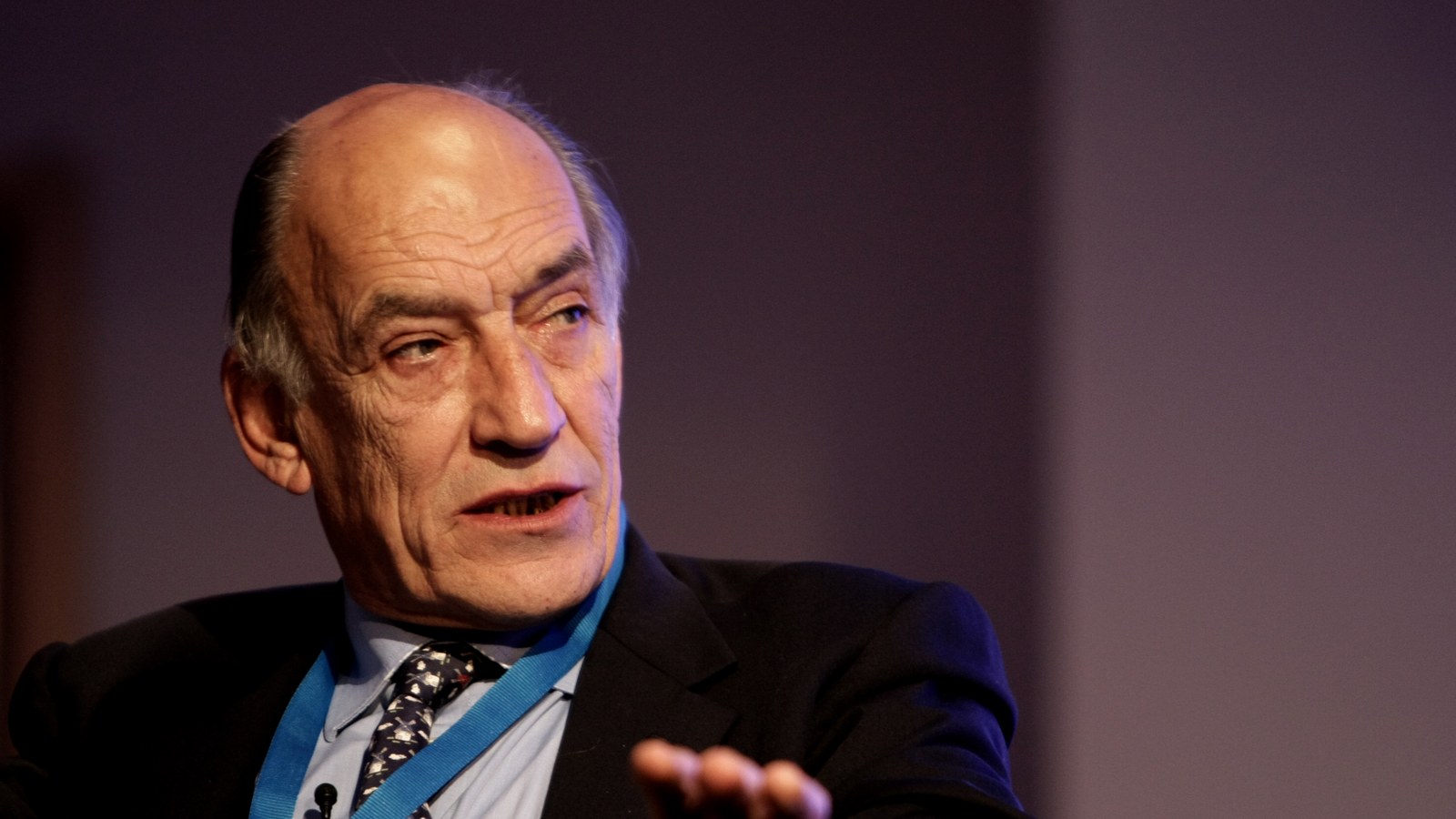
Image: General Sir Mike Jackson, 24 June 2009; Stuart Price, Albany Associates, CC BY-SA 2.0, Wikimedia Commons. Cropped to 16:9. Jackson signed the 1999 agreement as KFOR commander.
Source consulted: Kumanovo Agreement. Treaty text: UN: S/1999/682 Military Technical Agreement, 9 June 1999.











0 Comments
No comments on this article yet. Be the first!