


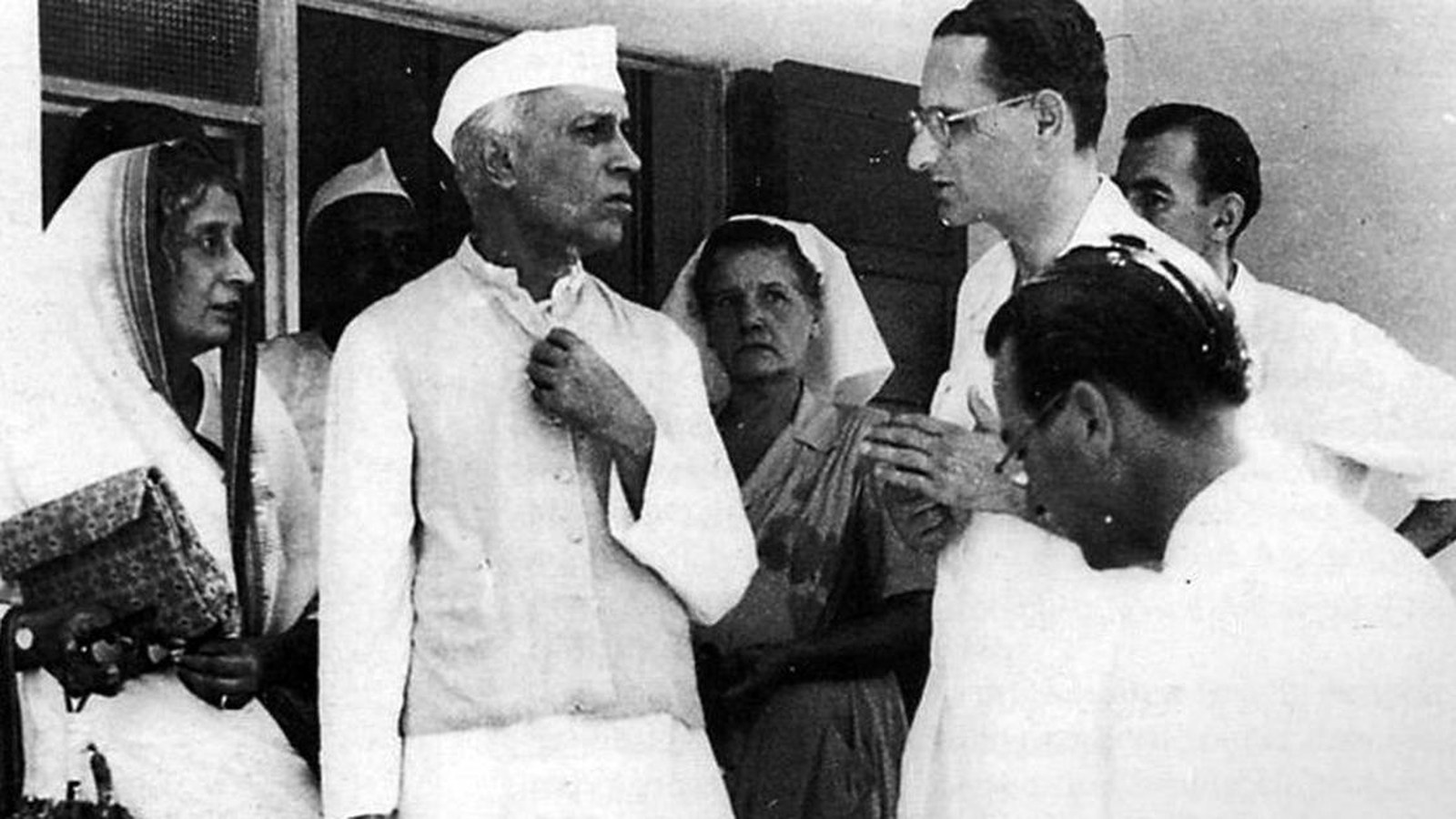
In New Delhi, on 8 April 1950, Indian Prime Minister Jawaharlal Nehru and Pakistani Prime Minister Liaquat Ali Khan sign the Agreement Between The Governments of India and Pakistan Regarding Security and Rights of Minorities (Liaquat–Nehru Pact / Delhi Pact). The languages are Hindi, Urdu and English. It is the outcome of six days of talks after Partition.
The treaty lets refugees return to dispose of property, provides for the return of abducted women and looted goods, refuses to recognise forced conversions and confirms minority rights. It introduces a visa system for refugees and restricts free border passage.
Minority commissions are set up in both countries. More than one million refugees migrate from East Pakistan (now Bangladesh) to West Bengal. The pact aims to avert another Indo-Pakistani war amid communal violence.
The depositaries are the governments of India and Pakistan; ratifications come from both parliaments. India’s Ministry of External Affairs publishes the text.
The instrument is sometimes called the Delhi Pact on minorities and remains the diplomatic reference for the rights of communities left on the other side of the border.
The Liaquat–Nehru Pact of 8 April 1950 remains the classic bilateral instrument protecting minorities after the 1947 Partition, even if later tensions limited its on-the-ground effects.
Image: Nehru / New Delhi; Wikimedia Commons. Cropped to 16:9.
Source consulted: Liaquat–Nehru Pact. Treaty text: Nehru–Liaquat Pact (MEA India).











0 Comments
No comments on this article yet. Be the first!