


The Agreement on the application of Article 65 of the Convention on the Grant of European Patents was concluded at London on 17 October 2000 by states parties to the 1973 Convention. The English, French and German texts are equally authentic, in a single original deposited with the Government of the Federal Republic of Germany, which is the depositary and registers the Agreement with the Secretariat of the United Nations. It is not the European Patent Convention itself, not the 2000 revision of that Convention, and not the unitary patent.
The preamble restates the wish for co-operation in the protection of inventions and the aim of reducing the cost of translating European patents. Article 1: a State which has an official language in common with one of the languages of the European Patent Office dispenses with the translation requirements of Article 65, paragraph 1, of the Convention. A State which has no such language dispenses with the same requirement if the patent was granted in the Office language it has prescribed, or has been translated into that language; it may still require a translation of the claims into one of its official languages. Nothing prevents a State from dispensing with any translation or from applying a more liberal regime.
Article 2 preserves the right of a State to prescribe that, in a dispute relating to a European patent, the proprietor shall supply at his own expense a full translation, at the request of an alleged infringer, into an official language of the State where the alleged infringement took place, or, at the request of the court or quasi-judicial authority, in the course of proceedings. The clause is a translation rule, not a litigation handbook.
Article 3: the Agreement remained open for signature by any contracting State of the Convention until 30 June 2001; ratification is by deposit of an instrument with the German Government. Denmark, Germany, Liechtenstein, Monaco, the Netherlands, Sweden, Switzerland and the United Kingdom signed on the day it was concluded. France and Luxembourg signed later, within the same period. Article 4: after that period, the Agreement is open to accession by any contracting State and by any State entitled to accede to the Convention, again by deposit with the same government.
Article 5: no reservations may be made. Article 6: entry into force on the first day of the fourth month after deposit of the last of eight instruments, which must include the three States in which the most European patents took effect in 1999, namely France, Germany and the United Kingdom. For the Agreement that date was 1 May 2008. A later ratification or accession takes effect on the first day of the fourth month after deposit.
Article 7: unlimited duration. Article 8: denunciation at any time once the Agreement has been in force for three years, notified to the German Government, taking effect one year later, without impairing rights acquired before that date. Article 9: the Agreement applies to European patents whose mention of grant was published in the European Patent Bulletin after it entered into force for the State concerned.
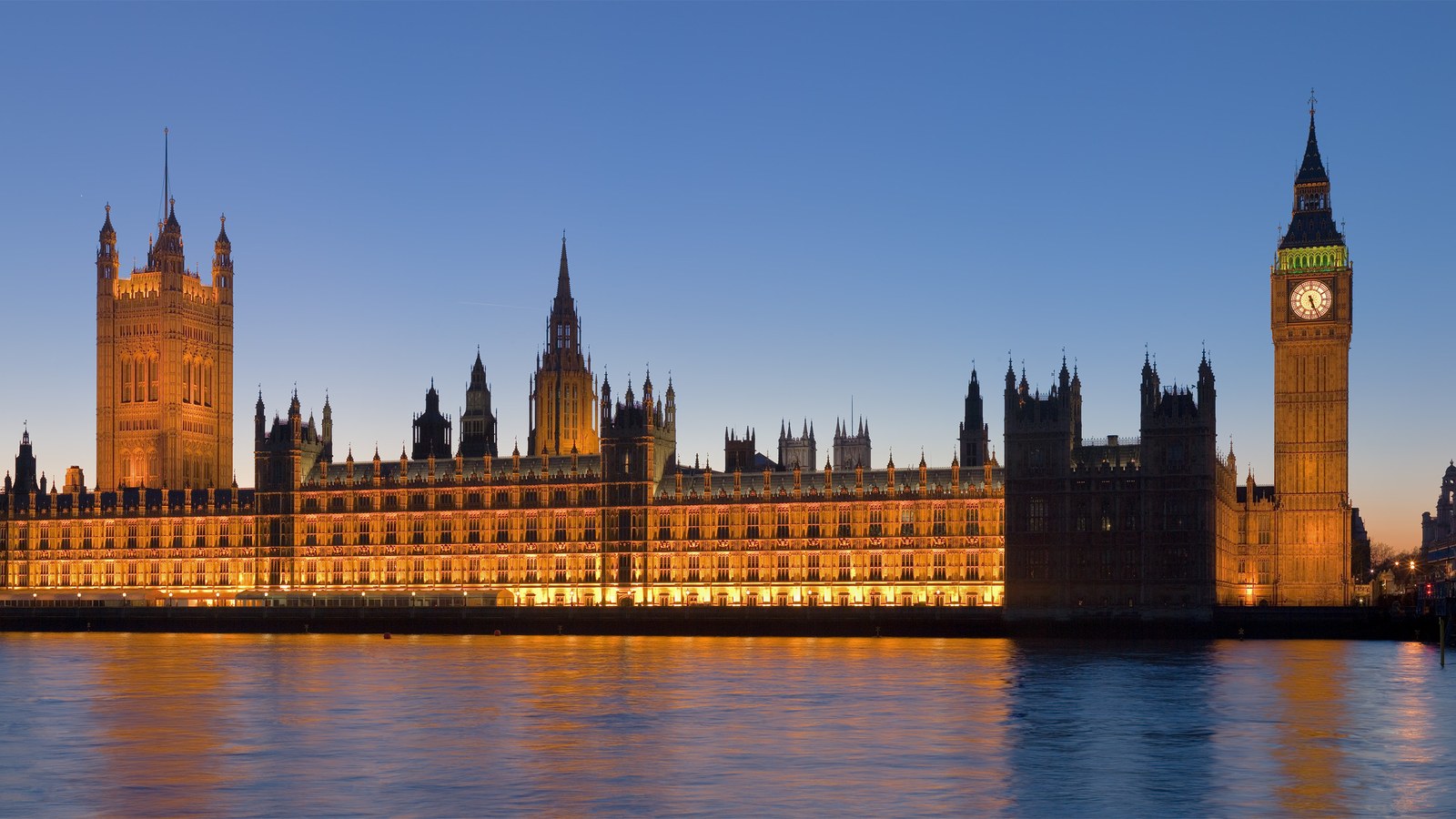
Article 11: the depositary transmits certified copies and notifies signatures, deposits, the date of entry into force and denunciations. The cover shows the Palace of Westminster in London, a landmark of the city where the Agreement was concluded, not the conference hall.
Sources consulted: London Agreement (2000); text in the Official Journal of the European Patent Office, Agreement on the application of Article 65 EPC.







0 Comments
No comments on this article yet. Be the first!