


The Minamata Convention on Mercury was adopted and opened for signature at Kumamoto on 10 October 2013, at the conference of plenipotentiaries held from 7 to 11 October. Article 29 also leaves it open the following day at Kumamoto, and thereafter at United Nations Headquarters in New York until 9 October 2014. The Arabic, Chinese, English, French, Russian and Spanish texts are equally authentic; the depositary is the Secretary-General of the United Nations. It is not the Basel Convention on hazardous wastes and it is not the Stockholm Convention on persistent organic pollutants.
Article 1 sets the objective: to protect human health and the environment from anthropogenic emissions and releases of mercury and mercury compounds. Article 3 concerns supply sources and trade. A Party shall not allow primary mercury mining that was not being conducted in its territory on the date of entry into force for it; mining already under way may continue for up to fifteen years, and mercury from it may be used only in allowed products and processes or disposed of without recovery, recycling or re-use. Export is allowed only with the written consent of the importer, for an allowed use or for environmentally sound interim storage; import from a non-Party requires certification that the mercury is not from a forbidden source. The clauses remain consent rules, not a circulation procedure.
Article 4 requires Parties, after the phase-out dates in Part I of Annex A, not to allow the manufacture, import or export of the mercury-added products listed there, except for an exclusion in the Annex or a registered exemption under Article 6. A Party that has already reduced the large majority of those products to a de minimis level may notify alternative measures. Article 5 applies the same logic to the manufacturing processes in Annex B. Article 6 limits exemptions: they are registered with the Secretariat, may be extended once for five years, and may not remain in effect more than ten years after the phase-out date. The annexes are not reproduced here as a compliance list.
Article 7 concerns artisanal and small-scale gold mining in which mercury is used. A Party with such activity takes steps to reduce, and where feasible eliminate, the use of mercury and the emissions and releases from it. If the activity is more than insignificant, it notifies the Secretariat, develops a national action plan in accordance with Annex C, submits it within three years and reviews it every three years thereafter. The article states a planning obligation, not an extraction method.
Article 8 requires control of emissions to air from the point sources in Annex D, with best available techniques and best environmental practices for new sources and a national plan for existing ones. Article 9 concerns releases to land and water. Article 10 requires environmentally sound interim storage of mercury intended for an allowed use. Article 11 sends mercury wastes to environmentally sound management, without recovery that would return them to use. Article 12 asks Parties to endeavour to identify and assess contaminated sites. None of these clauses is a treatment, storage or clean-up manual.
Articles 13 to 15 organise financial resources, including a trust fund and the Global Environment Facility, capacity-building, and an implementation and compliance committee. Article 16 encourages health strategies, without imposing a clinical protocol. Articles 21 to 23 provide for reporting, effectiveness evaluation and the Conference of the Parties. Article 28 gives each Party one vote; a regional economic integration organisation votes with the votes of its member States that are Parties, and the two do not vote at the same time.
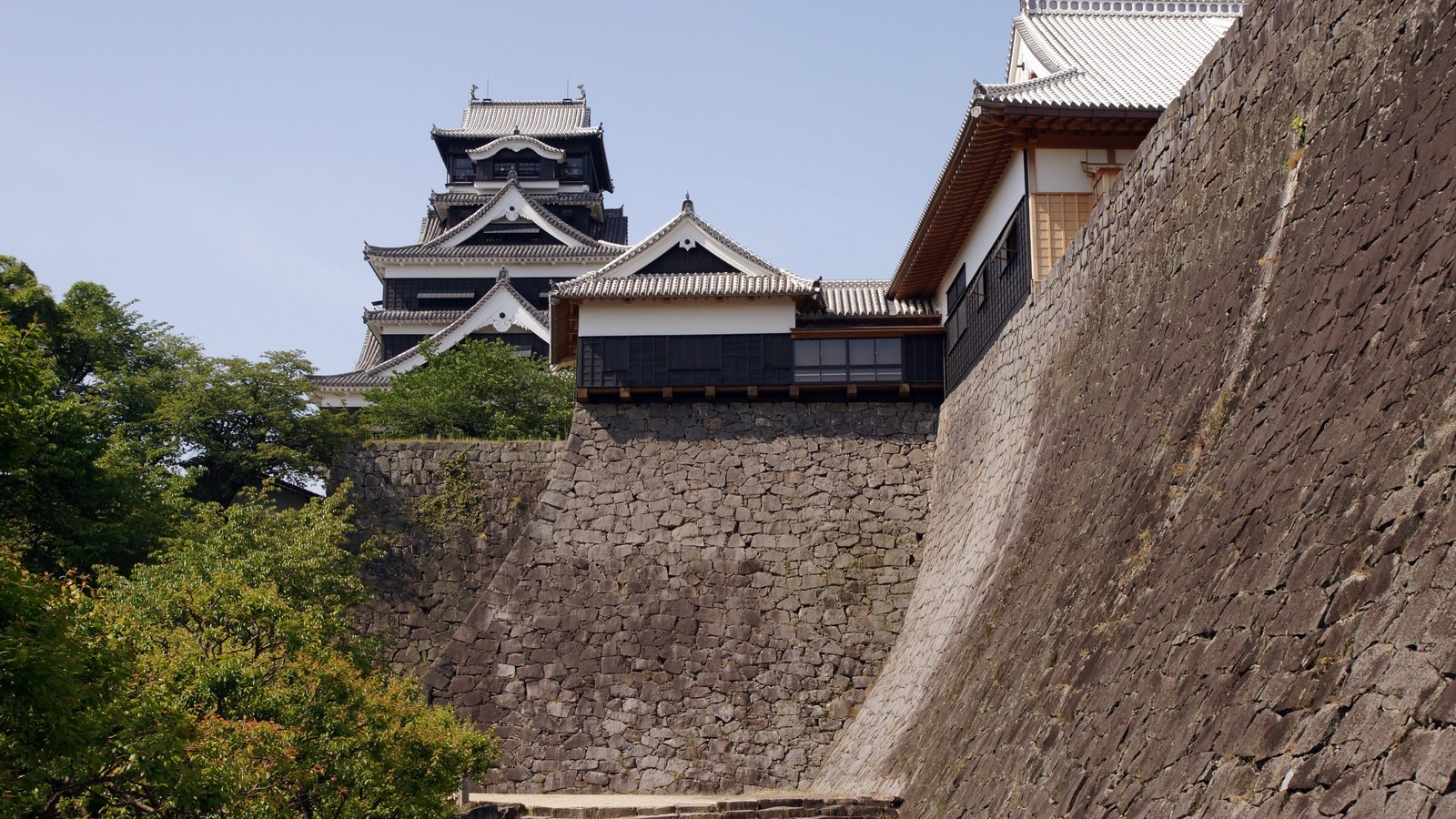
Article 30: ratification, acceptance, approval or accession by deposit of an instrument with the depositary; accession opens on the day after signature closes. Article 31: entry into force on the ninetieth day after the fiftieth instrument, without counting a regional organisation’s instrument separately; for the Convention that date was 16 August 2017. Article 32: no reservations may be made. Article 33: withdrawal at any time after three years from entry into force for that Party, taking effect after one year. The cover shows Kumamoto Castle, a landmark of the city where the Convention was concluded, not the conference hall.
Sources consulted: Minamata Convention on Mercury; certified copy, Minamata Convention on Mercury.






0 Comments
No comments on this article yet. Be the first!