


In Oslo, on 15 February 1972, the Contracting Parties conclude the Convention for the Prevention of Marine Pollution by Dumping from Ships and Aircraft (the Oslo Convention). Original signatories include Denmark, France, Iceland, Norway, Portugal, Spain and Sweden; later parties include the United Kingdom, the Netherlands, Germany, Finland, Ireland and Belgium. The authentic texts are English and French; the depositary is the Government of Norway. The instrument is registered in the United Nations Treaty Series as No. 13269 (volume 932).
The preamble recognises the vital importance of the marine environment and living resources, the threat of pollution to ecological equilibrium and legitimate uses of the sea, and the need for concerted action; notes that pollution has many sources, including dumping from ships and aircraft; and affirms the peculiar responsibility of the States bordering the North-East Atlantic.
Article 1 pledges the Parties to take all possible steps to prevent pollution of the sea by substances liable to create hazards to human health, to harm living resources and marine life, to damage amenities or to interfere with other legitimate uses of the sea. Article 2 delimits the area: the high seas and territorial seas in the Atlantic and Arctic Oceans north of 36°N between 42°W and 51°E, excluding the Baltic and the Mediterranean, plus an adjacent area north of 59°N.
Article 5 prohibits dumping of the substances listed in Annex I (including, among others, organohalogen compounds and organosilicon compounds with exceptions, mercury and cadmium and their compounds, non-biodegradable plastics and other persistent materials, and substances agreed as likely to be carcinogenic). Article 6 requires a specific permit for wastes containing significant quantities of Annex II substances (arsenic, lead, copper, zinc, cyanides, fluorides, pesticides, containers, tar-like substances, scrap metal and other bulky wastes). Article 7 requires approval of the appropriate national authority for any other dumping, applying Annex III.
Later articles regulate force majeure, application to ships and aircraft under the Parties’ flags or registration, policy harmonisation, a Commission of the Contracting Parties and amendment of the annexes. The Convention enters into force on 7 April 1974, the thirtieth day following deposit of the seventh instrument of ratification or accession.
An amendment of December 1981 enters into force in February 1982. The Oslo Convention is replaced by the OSPAR Convention for the Protection of the Marine Environment of the North-East Atlantic when that instrument takes effect on 25 March 1998. The text is not the 1972 London Dumping Convention (global), which is distinct from the regional Oslo regime.
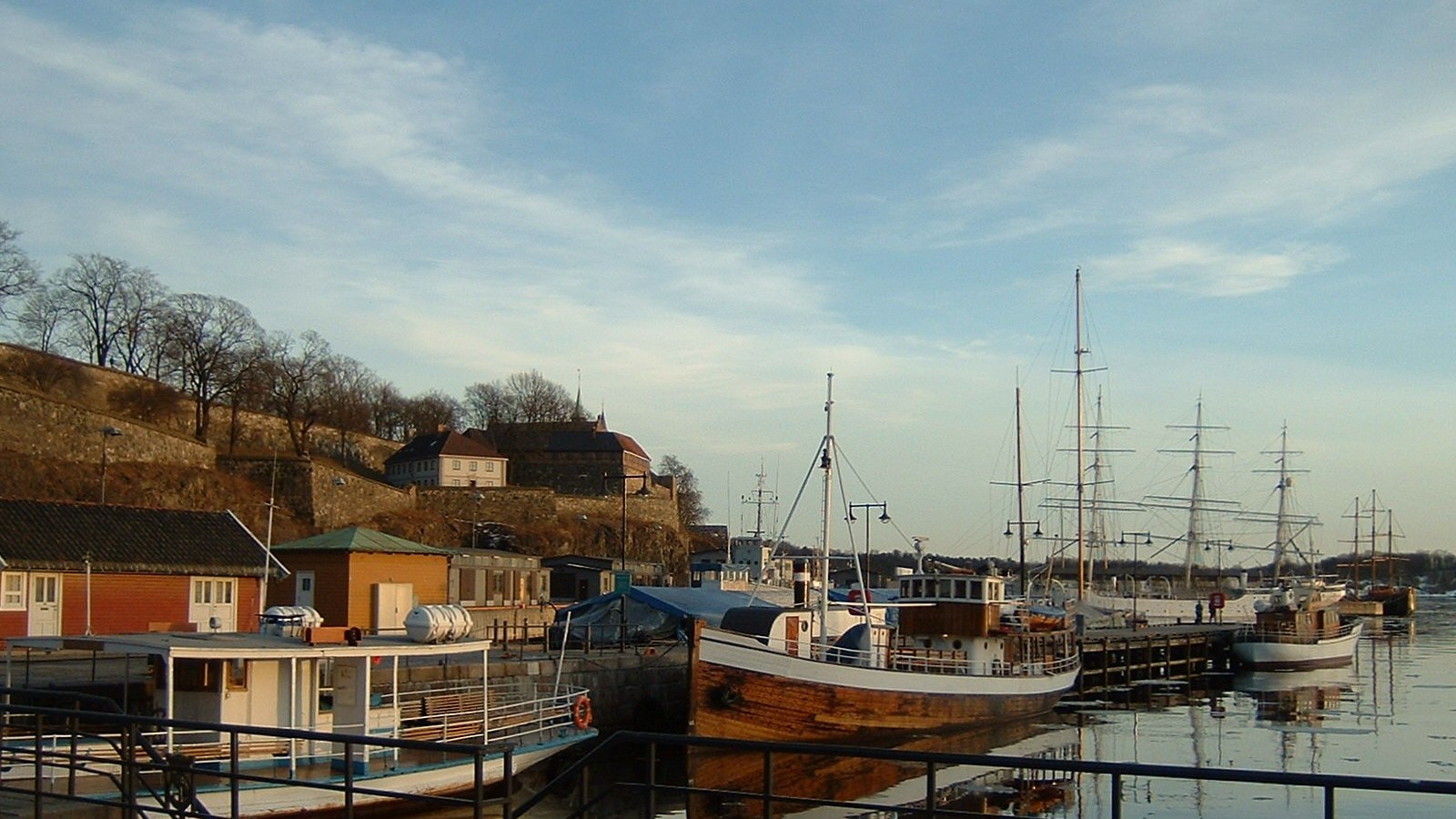
Image: Oslo harbour; CC BY-SA 3.0, Wikimedia Commons. Cropped to 16:9.
Source consulted: Oslo Dumping Convention. Treaty text: Convention for the Prevention of Marine Pollution by Dumping from Ships and Aircraft, Oslo, 15 February 1972.











0 Comments
No comments on this article yet. Be the first!