


On 16 May 1907, in Cartagena (Spain), France, Great Britain and Spain exchange diplomatic notes — the Pact of Cartagena — declaring their intention to preserve the status quo in the western Mediterranean and the Atlantic, especially insular and coastal possessions.
The pact aligns Spain with the Anglo-French Entente Cordiale against German ambitions in Morocco, where Madrid and Paris had mutually recognised spheres of influence. The notes provide for mutual consultation if circumstances would alter the status quo.
After the Algeciras Conference (1906), Spain used British and French support for naval rearmament (España class). In 1914, when Italy declared neutrality, Madrid found political room to stay neutral — the Pact having been aimed in part at the combined Italo–Austro-Hungarian fleets.
In the First World War, politicians such as Antonio Maura cited Cartagena to argue for closer ties with the Entente.
The note texts (Grey–Villaurrutia, León y Castillo–Pichon) appear in diplomatic literature; it is not a solemn treaty but an exchange of policy declarations.
The Pact of Cartagena of 16 May 1907 remains Spain’s alignment with the Entente for the Mediterranean status quo.
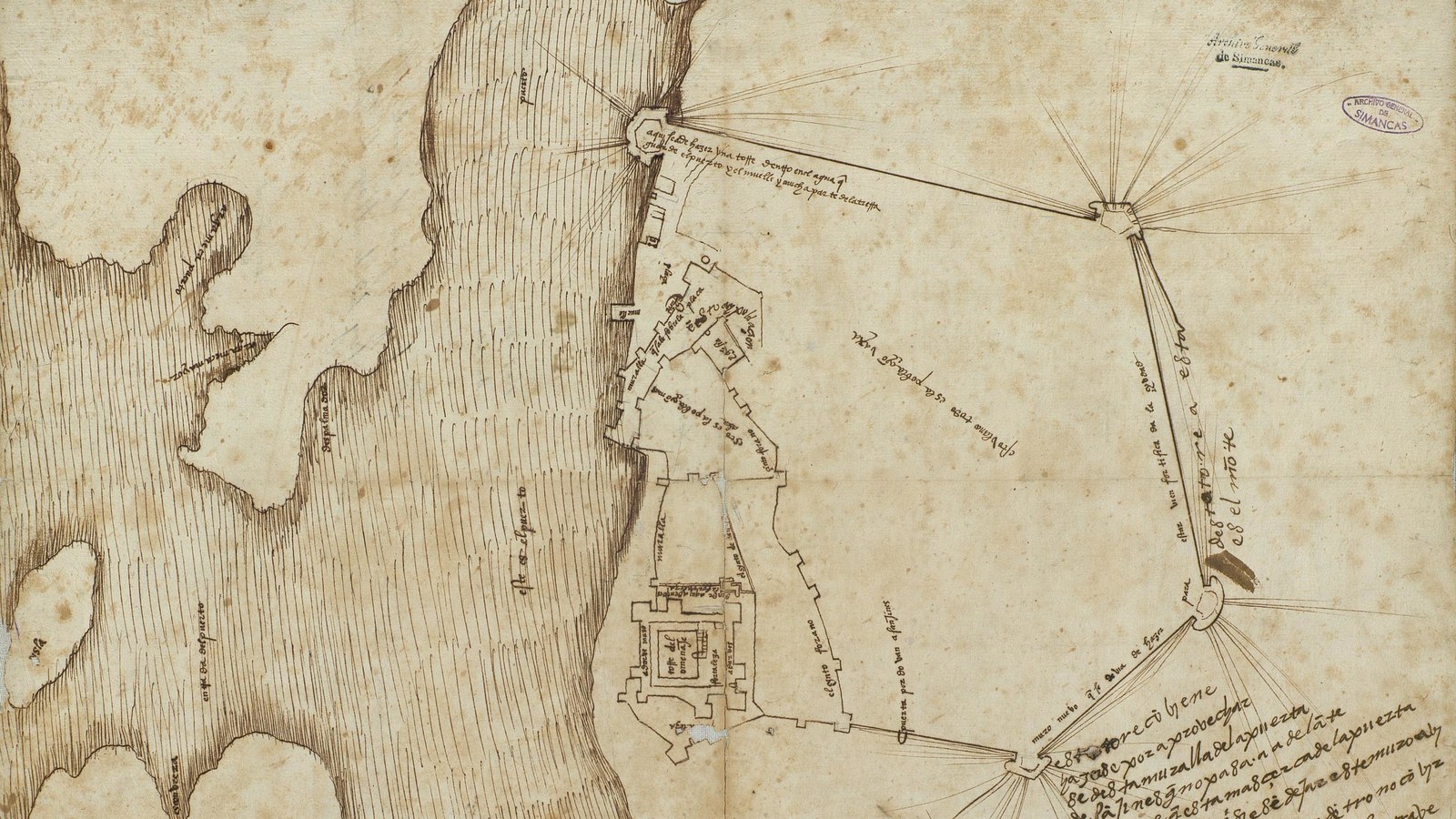
Image: Cartagena; Wikimedia Commons. Cropped to 16:9.
Source consulted: Pact of Cartagena. Treaty text: Spain and the War (Cunningham).











0 Comments
No comments on this article yet. Be the first!