


On 10 December 1982, at Montego Bay, Jamaica, Annex VI to the United Nations Convention on the Law of the Sea, the Statute of the International Tribunal for the Law of the Sea, was opened for signature together with the Convention. It was adopted by the Third United Nations Conference on the Law of the Sea. Authentic texts of the Convention, equally authentic: Arabic, Chinese, English, French, Russian and Spanish. Depositary: the Secretary-General. The Statute has five sections. It is not the full text of the Montego Bay Convention and not the International Court of Justice.
Article 1: the Tribunal is constituted and shall function in accordance with the Convention and this Statute; its seat shall be in the Free and Hanseatic City of Hamburg in the Federal Republic of Germany; it may sit and exercise its functions elsewhere whenever it considers this desirable; reference of a dispute is governed by Parts XI and XV. Article 2: 21 independent members, elected from among persons enjoying the highest reputation for fairness and integrity and of recognized competence in the law of the sea; representation of the principal legal systems of the world and equitable geographical distribution.
Article 3: no two members may be nationals of the same State; no fewer than three members from each geographical group established by the General Assembly. Article 4: each State Party may nominate not more than two persons; the first election within six months of the entry into force of the Convention, convened by the Secretary-General; secret ballot, a quorum of two thirds of the States Parties; those elected obtain the largest number of votes and a two-thirds majority of those present and voting, including a majority of the States Parties. Article 5: nine-year terms, re-eligible; at the first election, by lot, the terms of seven members expire after three years and of seven more after six years.
Article 7: no political or administrative function, and no financial interest in exploration or exploitation of the sea or seabed; members may not act as agent, counsel or advocate. Article 8: a member shall not sit in a case in which he has previously taken part. Article 10: diplomatic privileges and immunities when engaged on the business of the Tribunal. Article 11: a solemn declaration in open session. Article 12: President and Vice-President elected for three years, re-eligible; a Registrar; the President and the Registrar shall reside at the seat. Article 13: a quorum of 11 elected members.
Article 14: a Seabed Disputes Chamber, as provided in Part XI, section 5. Article 15: chambers of three or more members for particular categories of disputes; a chamber for a particular dispute if the parties so request; annually, a chamber of summary procedure of five members, with two alternatives; a judgment of a chamber is considered as rendered by the Tribunal. Article 17: a member of the nationality of a party retains the right to sit; the other party may choose a person to participate; if neither party has a national on the bench, each may choose one, on terms of complete equality.
Articles 20-22: open to States Parties and, in cases provided for in Part XI or in any other agreement accepted by all the parties, to other entities; jurisdiction comprises all disputes and applications submitted in accordance with the Convention and all matters provided for in any other agreement conferring jurisdiction; disputes under a prior treaty covering the same subject-matter may be submitted if all the parties so agree. Article 23: applicable law, Article 293 of the Convention. Article 24: submission by special agreement or written application to the Registrar. Article 25: provisional measures, including by the chamber of summary procedure. Articles 26-30: hearing public unless otherwise decided; majority, the President a casting vote; a reasoned judgment, read in open court. Articles 31-33: intervention; the decision is final and binding between the parties in respect of that dispute.
Section 4: the Seabed Disputes Chamber, 11 members selected by the Tribunal for three years, a quorum of seven; ad hoc chambers of three; open to States Parties, the Authority and the entities referred to in Part XI; it also applies the rules of the Authority and the terms of contracts concerning activities in the Area; decisions are enforceable as judgments of the highest court of the State Party where enforcement is sought. Article 41: amendments other than to section 4, in accordance with Article 313 or by consensus; section 4, in accordance with Article 314. The Statute enters into force with the Convention, on 16 November 1994, under Article 308. It is not the 1996 election of the first judges and not the International Seabed Authority.
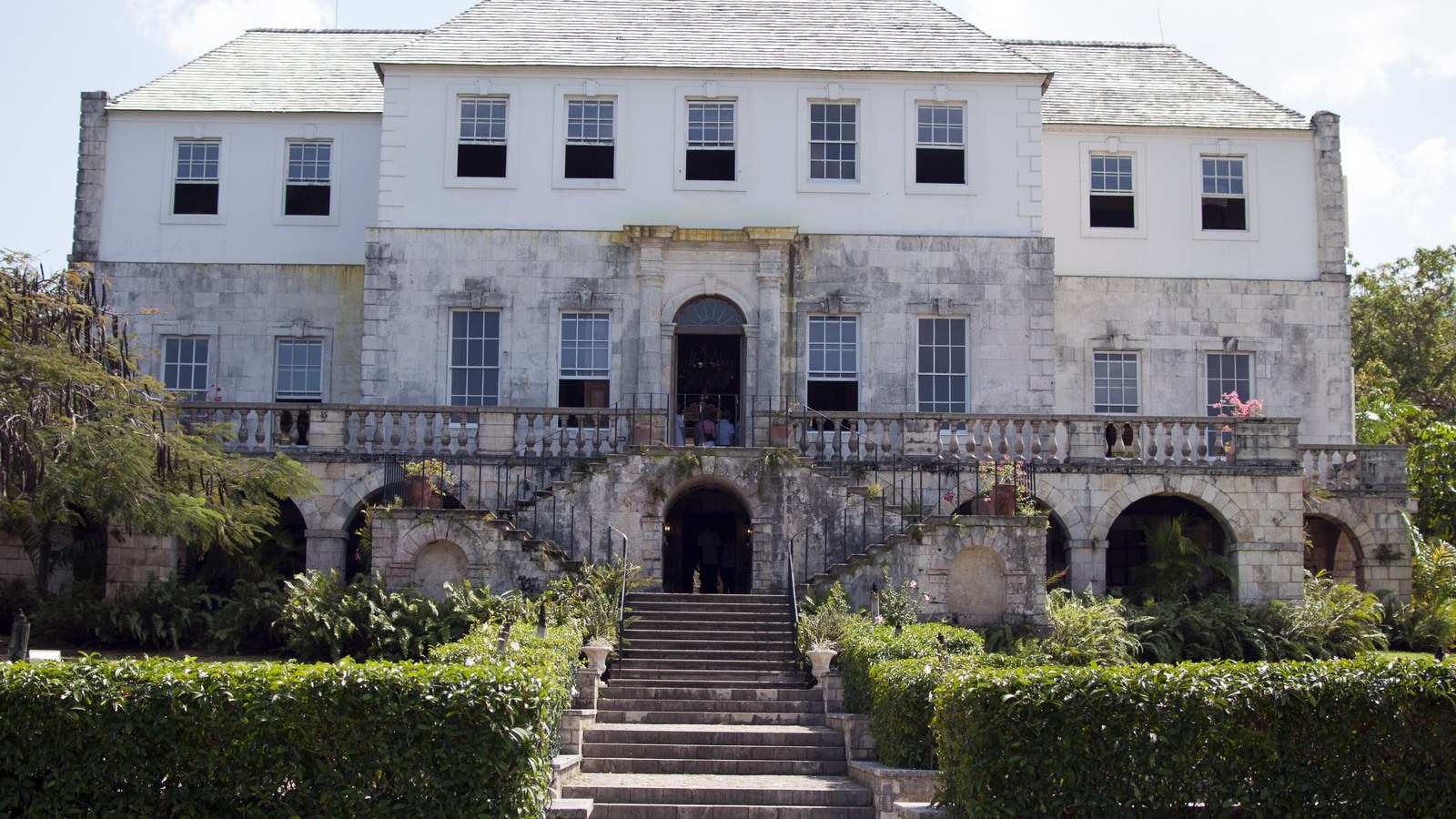
Image: Rose Hall, Montego Bay, Jamaica; Don Ramey Logan, 24 February 2013; CC BY-SA 3.0, Wikimedia Commons. Cropped to 16:9.
Source consulted: International Tribunal for the Law of the Sea. Treaty text: Statute of the International Tribunal for the Law of the Sea, Annex VI, Montego Bay, 10 December 1982.











0 Comments
No comments on this article yet. Be the first!