


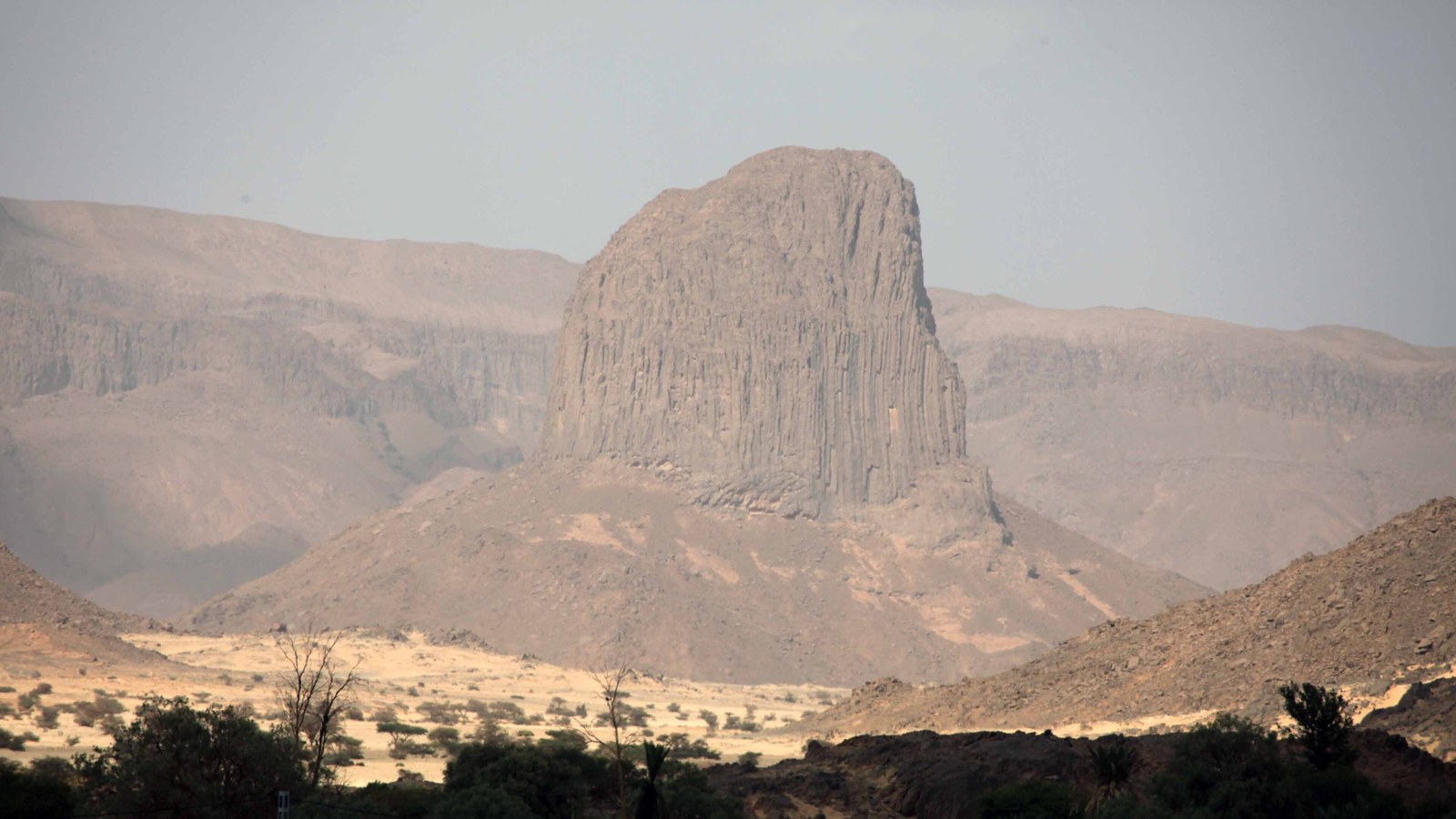
At Tamanrasset, in Algeria, the Government of the Republic of Mali, on the one hand, and the Mouvement Populaire de l'Azaouad together with the Front Islamique Arabe, on the other, conclude on 6 January 1991 an agreement on the cessation of hostilities. The parties state that they are anxious to restore and maintain peace and security throughout the national territory, principally in the 6th and 7th Regions of Mali.
Article 1 ends military operations and all armed action throughout the territory, principally in those two regions, on the same day, at an hour left blank in the text. Article 2 binds both parties to forbid any recourse to acts of violence, collective or individual. Any clandestine action or action contrary to public order must cease, as must the infiltration of armed elements from abroad.
The combatant forces of the Mouvement Populaire de l'Azaouad and of the Front Islamique Arabe existing on the day of the cessation of hostilities are to stabilize inside the zones corresponding to their current places of cantonment. Any individual or collective movement of members of those forces outside those places must be unarmed.
The Malian Armed Forces will not carry out any activity liable to give rise to clashes with the combatants. They will proceed to a progressive reduction of their deployments in the 6th and 7th Regions. Under the agreement they withdraw from the management of the civil administration and proceed to the suppression of certain military posts. In the towns — regional capitals and seats of cercles — barracks will be transferred progressively to other, more suitable sites. The forces will avoid grazing areas and areas of high population concentration in the two regions and will confine themselves, at the borders, to the defence of territorial integrity.
Combatants may join the Malian Armed Forces on conditions defined by both parties. All prisoners, hostages or interned civilians held by either party are to be released within 30 days of signature. The agreement enters into force on the date of its signature.
A commission on the cessation of hostilities is created to apply the provisions. It is presided over by the Algerian Democratic and Popular Republic as mediator and is composed, besides the mediator, of an equal number of representatives of the two parties. Its seat is at Gao.
The instrument is done at Tamanrasset in two originals, in French and in Arabic, both texts being equally authentic. For the Government of Mali it is signed by Colonel Ousmane Coulibaly, member of the National Council of the Head of State and Major General of the Armed Forces. For the Mouvement Populaire de l'Azaouad and the Front Islamique Arabe it is signed by Iyad Ag Ghali, secretary-general of the Movement. The signing takes place in the presence of the Minister of the Interior of the Algerian Democratic and Popular Republic.
This text is not the later National Pact signed in Bamako, nor later agreements on northern Mali.
Image: Hoggar mountains near Tamanrasset, Algeria; Magharebia, 2010; CC BY 2.0, Wikimedia Commons. Cropped to 16:9.
Source consulted: Tamanrasset Accords. Treaty text: Accord sur la cessation des hostilités, Tamanrasset, 6 January 1991.






0 Comments
No comments on this article yet. Be the first!