


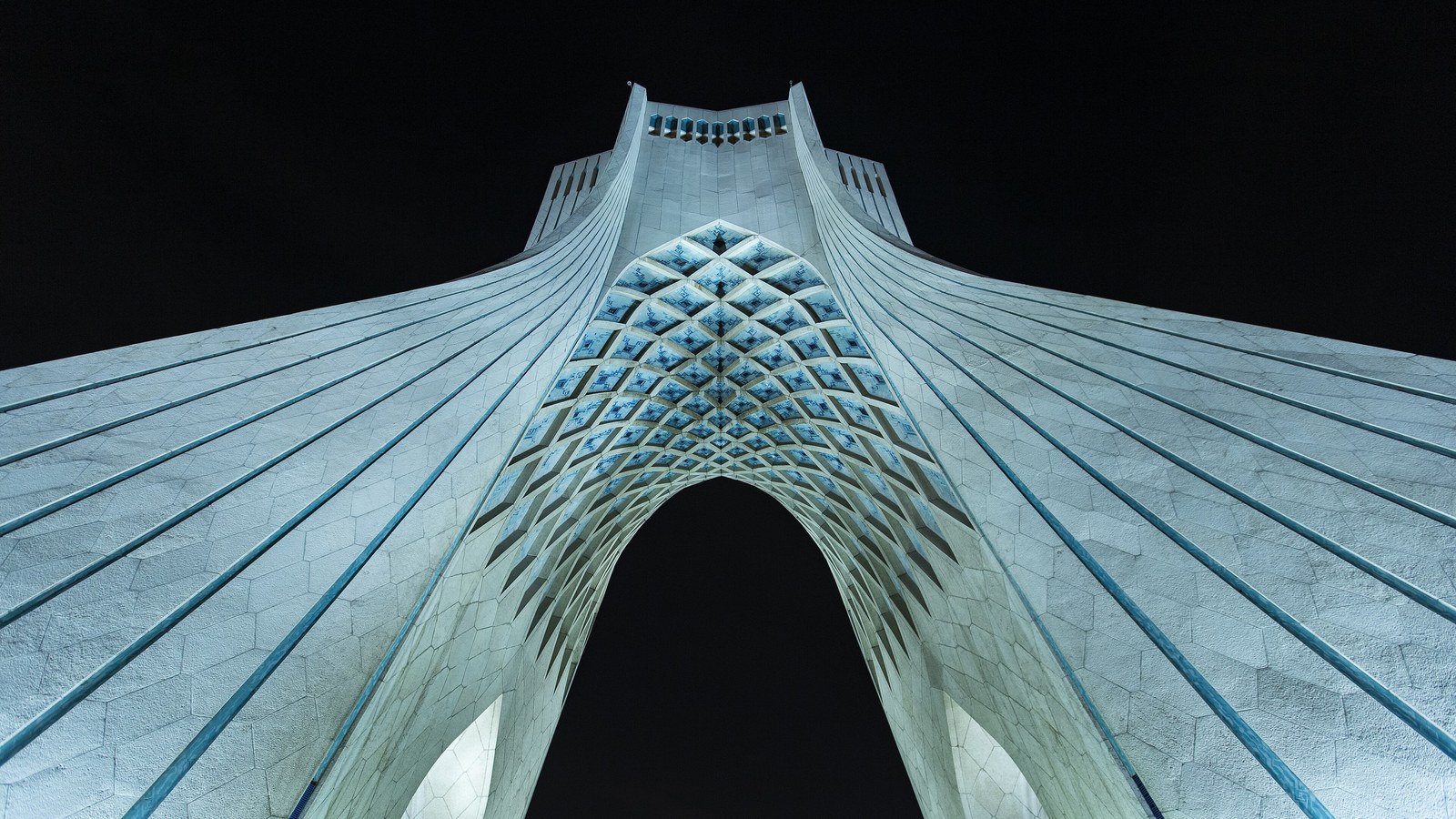
On 7 May 1992, in Tehran, Iranian President Akbar Hashemi Rafsanjani mediates and signs with Yaqub Mammadov (Azerbaijan) and Levon Ter-Petrosian (Armenia) the Tehran Communiqué — the joint statement on Nagorno-Karabakh.
The text commits the parties to settle disputes peacefully under CSCE/OSCE principles and the UN Charter, to organise high-level meetings (including military) and to reopen communications after envoy Mahmoud Vaezi’s visit.
The Iranian initiative was the third mediation stage: after the February failure (Khojaly massacre) and Vaezi’s March shuttle. The Tehran invitation brought the two republics’ leaders to the same table, without Karabakh representatives.
The next day, 8 May, Armenian forces captured Shusha, forcing Azerbaijanis from the town and in practice nullifying the communiqué. The fall of Lachin on 18 May buried the Iranian round for good.
Baku held Tehran morally responsible for ceasefire assurances. Iran stressed it would not accept border changes.
The text is reproduced in Karabakh conflict document collections (Abasov/Khachatrian).
The Tehran Communiqué of 7 May 1992 remains the failed Iranian mediation, shattered within 24 hours by the fall of Shusha.
Image: Tehran; Wikimedia Commons. Cropped to 16:9.
Source consulted: Tehran Communiqué. Treaty text: Joint Statement of the heads of state in Tehran.






0 Comments
No comments on this article yet. Be the first!