


On 18 May 1990, the GDR and the FRG sign the Treaty Establishing a Monetary, Economic and Social Union — the decisive step of German reunification before political unity on 3 October.
Entry into force: 1 July 1990. The East German mark is replaced by the Deutsche Mark; the planned economy opens to the western market. Negotiations followed Lothar de Maizière’s Alliance for Germany victory in East Germany’s first free elections.
Introducing the DM was popular but caused factory closures, mass unemployment and accelerated privatisation through the Treuhandanstalt (nearly 8,000 enterprises, four million employees).
GDR debt had reached about 49 billion East marks; emigration west and economic crisis forced reform. The social union aligned wages, pensions and insurance with FRG standards.
The official text is published in German constitutional collections. For Europe, 1 July 1990 marks the end of Germany’s monetary division.
The treaty preceded the Unification Treaty (Einigungsvertrag) of 31 August 1990 and made the West German mark the single currency of the two states on the road to 3 October.
The Treaty of 18 May 1990 remains the act that tied monetary unification to market opening and social alignment in East Germany.
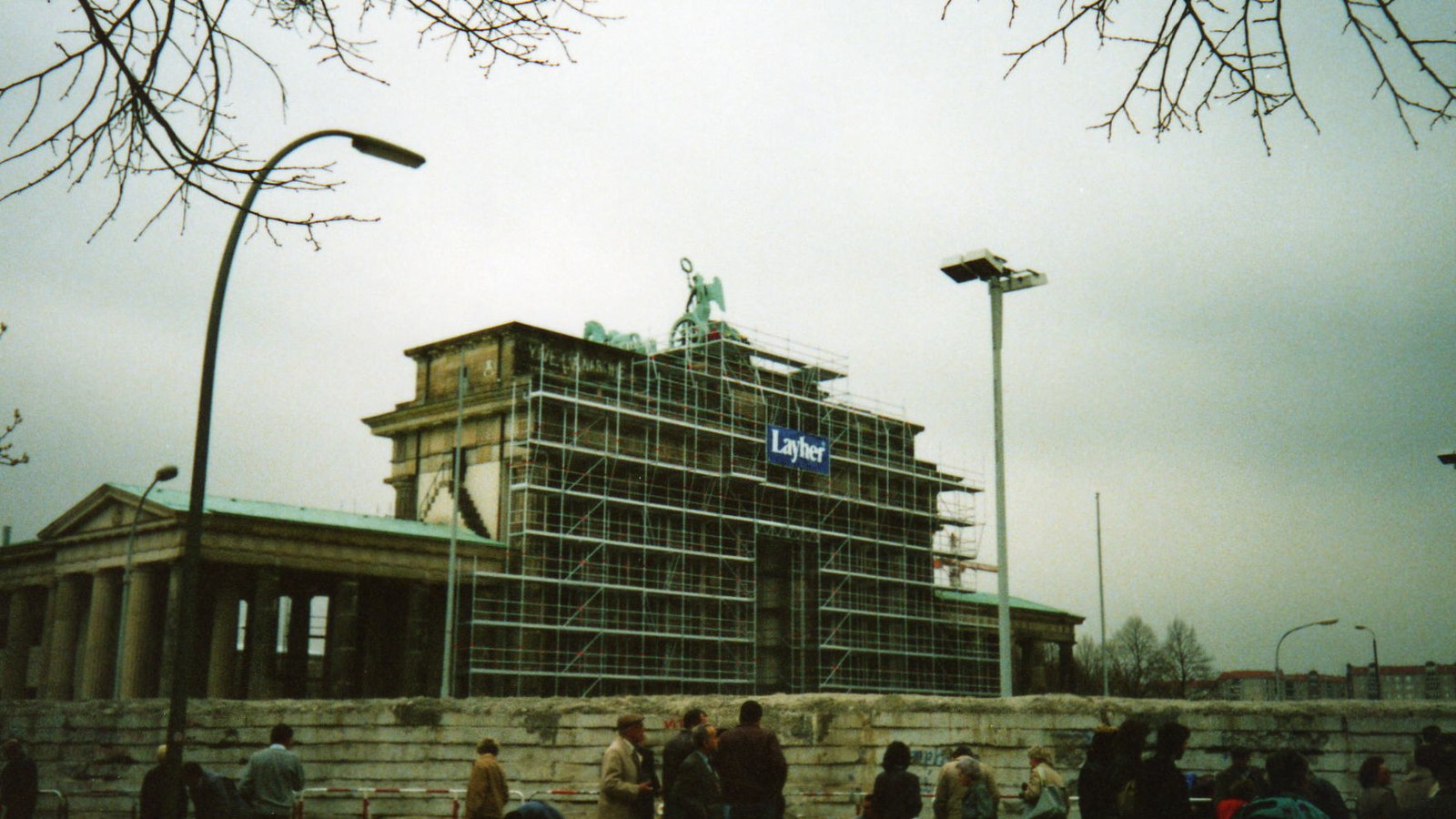
Image: Brandenburg Gate, Berlin, 1990; Wikimedia Commons. Cropped to 16:9.
Source consulted: Treaty Establishing a Monetary, Economic and Social Union. Treaty text: Monetary, Economic and Social Union Treaty (archived text).











0 Comments
No comments on this article yet. Be the first!