


In Paris, on 10 February 1947, the Allied and Associated Powers and Italy sign the Treaty of Peace with Italy. On the one side stand the Soviet Union, the United Kingdom, the United States, China, France, Australia, Belgium, the Byelorussian SSR, Brazil, Canada, Czechoslovakia, Ethiopia, Greece, India, the Netherlands, New Zealand, Poland, the Ukrainian SSR, the Union of South Africa and the People’s Federal Republic of Yugoslavia; on the other, Italy. The official texts are French, English, Russian and Italian; French, English and Russian are authentic. The depositary is the Government of the French Republic.
The preamble recalls that Italy under the Fascist regime became a party to the Tripartite Pact with Germany and Japan, undertook a war of aggression and bears her share of responsibility for the war; that the Fascist regime was overthrown on 25 July 1943; that Italy signed armistice terms on 3 and 29 September 1943; and that after the Armistice Italian forces of the Government and the Resistance took an active part against Germany, Italy declaring war on Germany as from 13 October 1943 and becoming a co-belligerent. The parties agree to declare the cessation of the state of war and to conclude the Treaty as a basis of friendly relations.
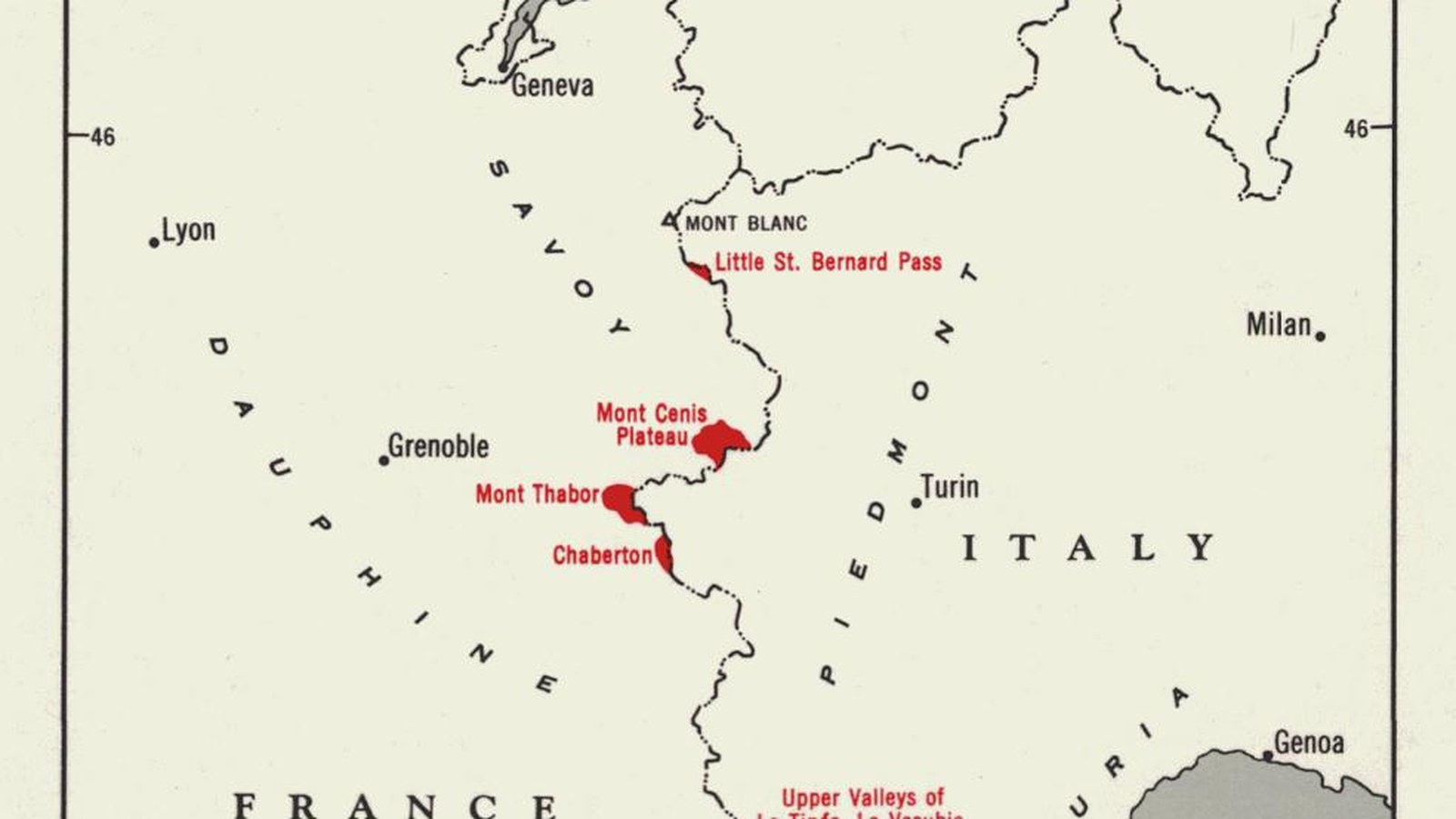
The territorial provisions transfer to Yugoslavia the Adriatic islands of Cres, Lošinj, Lastovo and Palagruža, Istria south of the Mirna, the Zadar exclave, Rijeka and the Julian March; to Greece, the Dodecanese; to France, Briga and Tenda, with minor revisions including the Mont Cenis plateau, Mont Thabor and Mont Chaberton. Italy recognises the independence of Albania and transfers the island of Sazan; renounces claims to Ethiopia and to the colonies (Libya, Eritrea and Somaliland); Trieste and the surrounding area form the Free Territory of Trieste.
Article 74 fixes war reparations, valued in United States dollars at the gold parity of 1 July 1946: US$125 million to Yugoslavia, US$105 million to Greece, US$100 million to the Soviet Union, US$25 million to Ethiopia and US$5 million to Albania, payable in goods and services over seven years. Article 17 bans Fascist organisations, whether political, military or semi-military, in Italy.
The military clauses require demolition of permanent fortifications along the Franco-Italian and Yugoslav-Italian frontiers; limit the army, navy and air force; ban atomic weapons, guided missiles and certain mines and torpedoes; reduce the fleet and allocate some warships to Allied governments. Persons in transferred territories may, within the prescribed periods, opt for Italian nationality or, as the case may be, Yugoslav nationality.
The Treaty enters into force on 15 September 1947 upon deposit of the ratifications of the Soviet Union, the United Kingdom, the United States and France, in accordance with Article 90. It is registered in the United Nations Treaty Series as No. 747 (volumes 49–50). The text is not the Peace Treaties with Bulgaria, Hungary, Romania or Finland, also signed in Paris on the same day.
Image: France–Italy boundary after the Treaty of Peace with Italy, 1947; public domain, Wikimedia Commons. Cropped to 16:9.
Source consulted: Treaty of Paris between Italy and the Allied Powers. Treaty text: Treaty of Peace with Italy, Paris, 10 February 1947, UNTS No. 747, vol. 49.











0 Comments
No comments on this article yet. Be the first!