
The Consumer Technology Association said on 16 September that major television manufacturers, operating-system vendors and energy-efficiency groups had expanded the North American voluntary agreement on the power use of sets sold in the United States and Canada. Best Buy, Walmart and Skyworth joined the programme; the Northwest Energy Efficiency Alliance and Pacific Gas & Electric signed on as energy-advocate parties alongside ACEEE.
The organisation projects about $1.8 billion a year in consumer savings once the programme is fully in place. That figure is an industry projection, not a cut already measured in every household. Actual consumption depends on screen size, brightness, panel technology, settings and hours of use.
The main addition concerns on-mode, not only standby. From 2028, manufacturer signatories commit that at least 90 percent of new televisions sold in the two countries will meet efficiency thresholds calculated differently for LCD sets (by size) and OLED sets (by how efficiently they produce light). CTA estimates about 2 TWh of extra savings over the first seven years from those formulas.
The agreement keeps the 2023 standby commitments, which the industry puts at about 10 TWh a year. From 1 April 2026, at least 90 percent of new televisions are to use no more than two watts in standby, under the voluntary framework. Those targets do not replace the ENERGY STAR label and are not a new federal statute.
Voluntary agreements leave companies design flexibility and are intended, by the signatories, to avoid a single regulation. Effectiveness depends on participation, data checks and updates as screens grow. Buyers should compare stated consumption, not only price and picture quality.
Until later reports appear, $1.8 billion remains a market estimate. A large, bright set used for many hours can wipe out the association’s average on an individual bill. Expanding the programme changes the industry framework; it does not guarantee the same saving in every home.
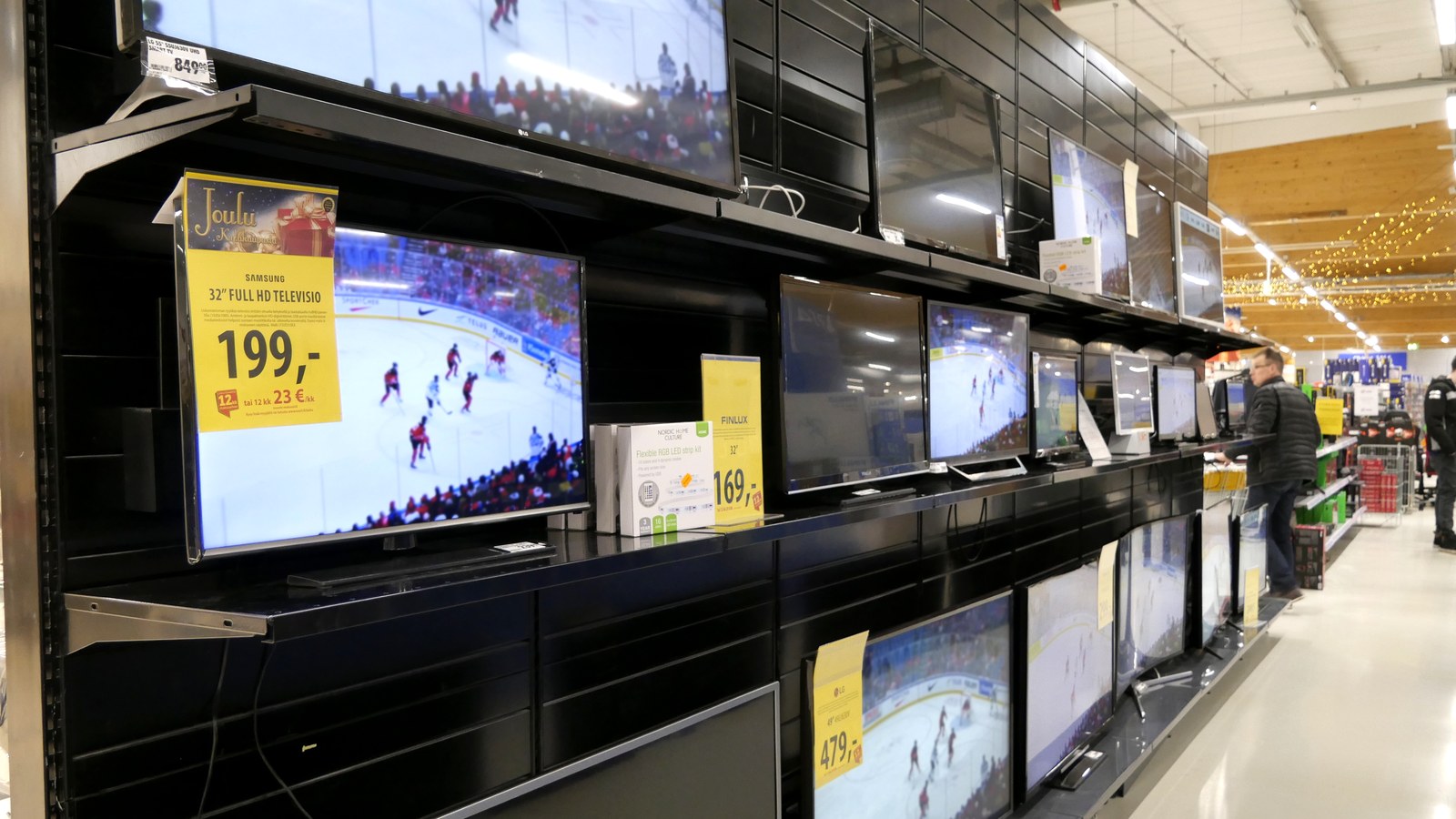
Image: televisions in a store, 2017 / Santeri Viinamäki / Wikimedia Commons, CC BY-SA 4.0. A retail display, not the CTA briefing. Cropped to 16:9.
Source consulted: Major TV Manufacturers Expand Program to Reduce Consumer Electricity Bills | CTA; Televisions | ENERGY STAR.








0 Comments
No comments on this article yet. Be the first!