


On 21 May 1997, the UN General Assembly adopts the Convention on the Law of the Non-Navigational Uses of International Watercourses — the framework for surface and groundwater crossing borders.
The text requires equitable and reasonable utilisation, notification of projects, prevention of significant harm and cooperation among riparian states. It follows decades of work by the International Law Commission.
The vote: 106 in favour, three against. The Convention entered into force only on 17 August 2014 after the 35th ratification; party numbers have remained modest.
Article 7 (“obligation not to cause significant harm”) was the most controversial provision, in tension with equitable utilisation on heavily used downstream rivers.
The instrument complements the 1966 Helsinki Rules and shapes bilateral basin agreements even for non-parties.
The official text appears in the UN treaty collection on the environment (Chapter XXVII).
The Watercourses Convention of 21 May 1997 remains the core multilateral reference for non-navigational transboundary water law.
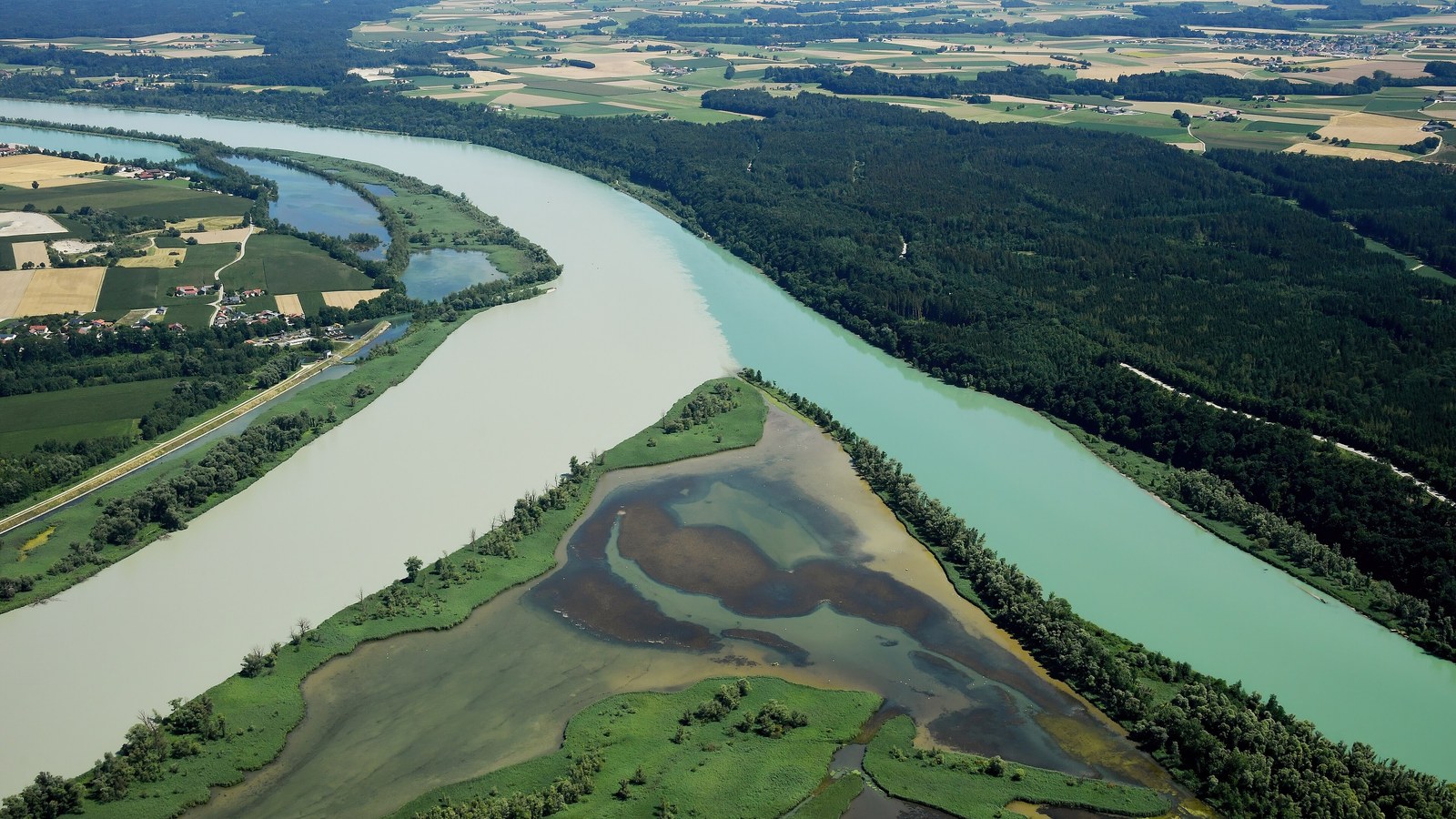
Image: international river; Wikimedia Commons. Cropped to 16:9.
Source consulted: Convention on the Law of the Non-Navigational Uses of International Watercourses. Treaty text: UN Watercourses Convention (official ILC/UN text).











0 Comments
No comments on this article yet. Be the first!