
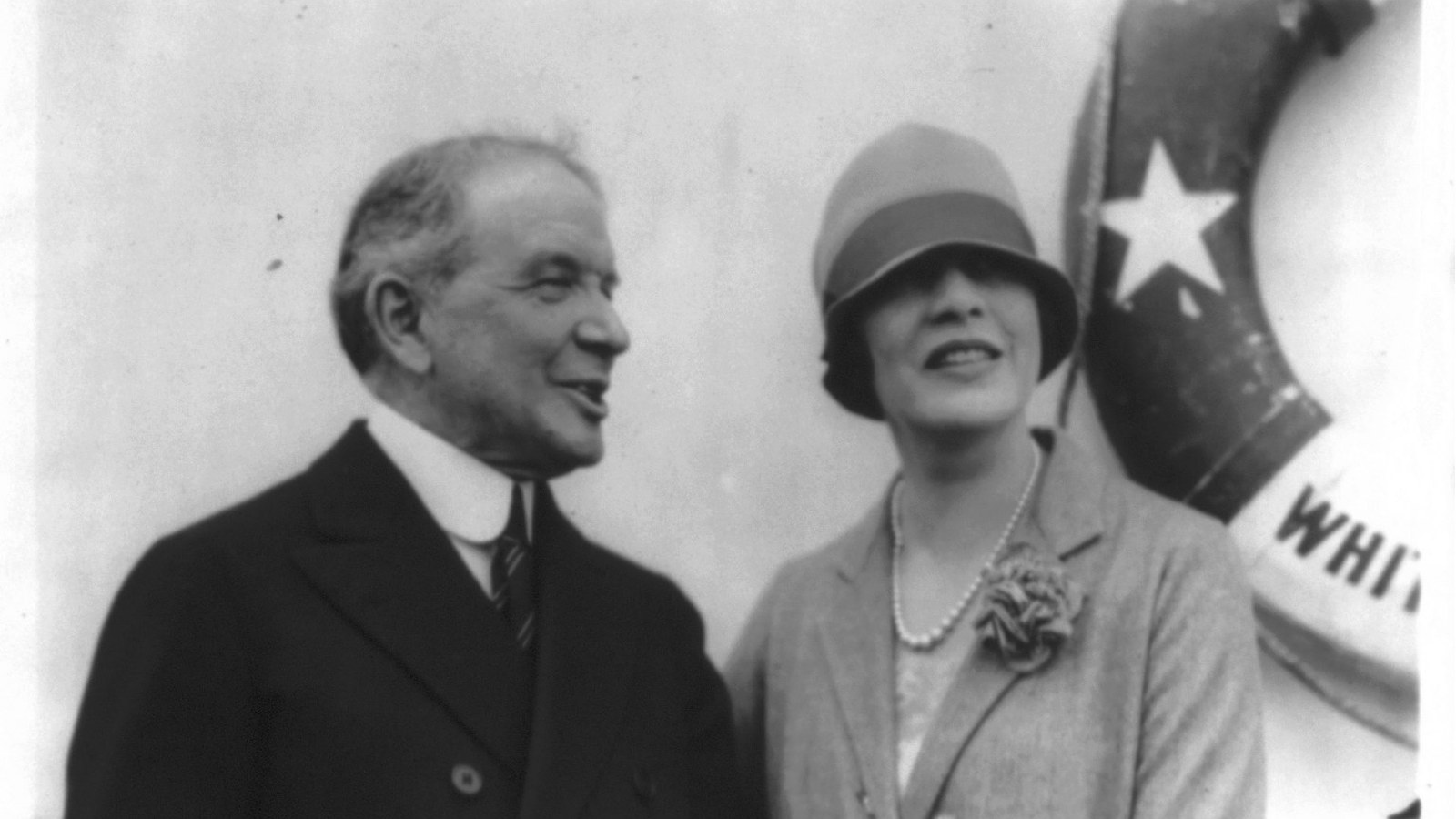
On 16 September 1908, in Michigan, William “Billy” Durant founded General Motors. Today, 16 September 2026, marks 118 years since the creation of a company that would become one of the most important names in the global motor industry.
General Motors officially confirms the date: the company was incorporated on 16 September 1908. Durant’s idea differed from the model of a single carmaker. He believed several manufacturers brought together under one corporate structure could have greater growth potential.
Before GM, Durant had already become an important figure in American industry. He came from the horse-drawn carriage business before entering the automobile industry, taking control of Buick and turning the brand into a major success.
At the beginning of the twentieth century, the American motor industry was highly fragmented. Numerous companies built cars and many disappeared quickly. Durant saw consolidation as a way to combine brands, resources, distribution and capital.
According to GM’s official history, Durant initially tried to build a broader combination with other manufacturers. The negotiations failed. He then moved to an alternative plan: a holding company that would include Buick and Oldsmobile.
General Motors was incorporated on 16 September 1908.
Expansion was rapid. In the following years, GM added brands and companies, including Cadillac. The structure was becoming an automotive conglomerate capable of serving different sections of the market.
Durant was a visionary of consolidation, but his aggressive expansion also created financial problems. He lost control of GM, regained it and later lost it again. The company’s history cannot be reduced to a single founder or management model.
Another essential figure was Alfred P. Sloan. Under his leadership, GM developed a decentralised corporate structure and a strategy in which different brands could serve different price points and customer groups.
The phrase associated with Sloan — “a car for every purse and purpose” — became emblematic of the company’s strategy.
GM came to include names such as Chevrolet, Buick, Cadillac and GMC, along with other important brands at different points in its history. Some disappeared or were sold as the company restructured.
GM’s rise coincided with the transformation of the automobile from a relatively new product into a central part of the American economy and everyday life. Mass production, dealer networks, finance and marketing changed the way cars were purchased and used.
Competition with Ford became one of the great industrial rivalries of the twentieth century. Ford had revolutionised mass production and made the Model T affordable to a broad public. GM responded with a diversified portfolio of brands and models.
The company became enormous. Its cars, trucks and industrial operations made GM one of the symbols of American manufacturing power.
During the Second World War, American automotive production was redirected on a huge scale towards the war effort. GM produced vehicles, engines and other military equipment. This chapter should be understood within the wider industrial mobilisation of the United States, not as a GM achievement alone.
After the war, the company remained dominant in the American market for decades. Styling, powerful engines, car culture and suburban expansion supported demand.
That dominance was not permanent. Competition from European and Japanese manufacturers, oil shocks, changing consumer preferences, structural costs and quality problems created pressure.
The most dramatic modern moment came in 2009, when General Motors entered a Chapter 11 reorganisation amid the financial crisis and collapse of the car market. The US Government intervened in the restructuring.
It would be wrong to say GM simply “disappeared” in 2009. Its principal operations were reorganised and the company continued under a new structure.
In the following years, GM reduced its portfolio and concentrated on a smaller group of brands. Today, the company identifies four principal US brands: Chevrolet, Buick, GMC and Cadillac.
The automotive industry is now undergoing another transformation involving electrification, software, advanced driver-assistance systems, batteries and global competition.
GM produces both internal-combustion and electric vehicles. Its strategy continues to adapt to consumer demand, regulation and technological change.
One hundred and eighteen years after its creation, General Motors offers a window into the entire history of the modern automobile: from an era when dozens of small manufacturers competed for survival, through the giant industrial conglomerates of the twentieth century, to today’s transition towards electrified and increasingly software-dependent vehicles.
The story officially began on 16 September 1908, when Durant turned the idea of consolidating several manufacturers into a company called General Motors.
Durant also came close to changing automotive history even more dramatically. GM records that in 1909 he reached an agreement to buy Ford for $8 million, but financing was not approved. Ford therefore never became part of GM.
It remains one of the great “what if?” moments of American industrial history.
On 16 September 2026, GM turns 118. Today’s company is very different from Durant’s original holding company, but his fundamental idea — bringing multiple brands together under one structure — remains visible in the group’s identity.
Image: Bain News Service / Library of Congress, public domain. William Crapo Durant. An archival portrait, not a photograph of the 16 September 1908 incorporation. Cropped to 16:9.
Source consulted: About GM | General Motors.







0 Comments
No comments on this article yet. Be the first!