
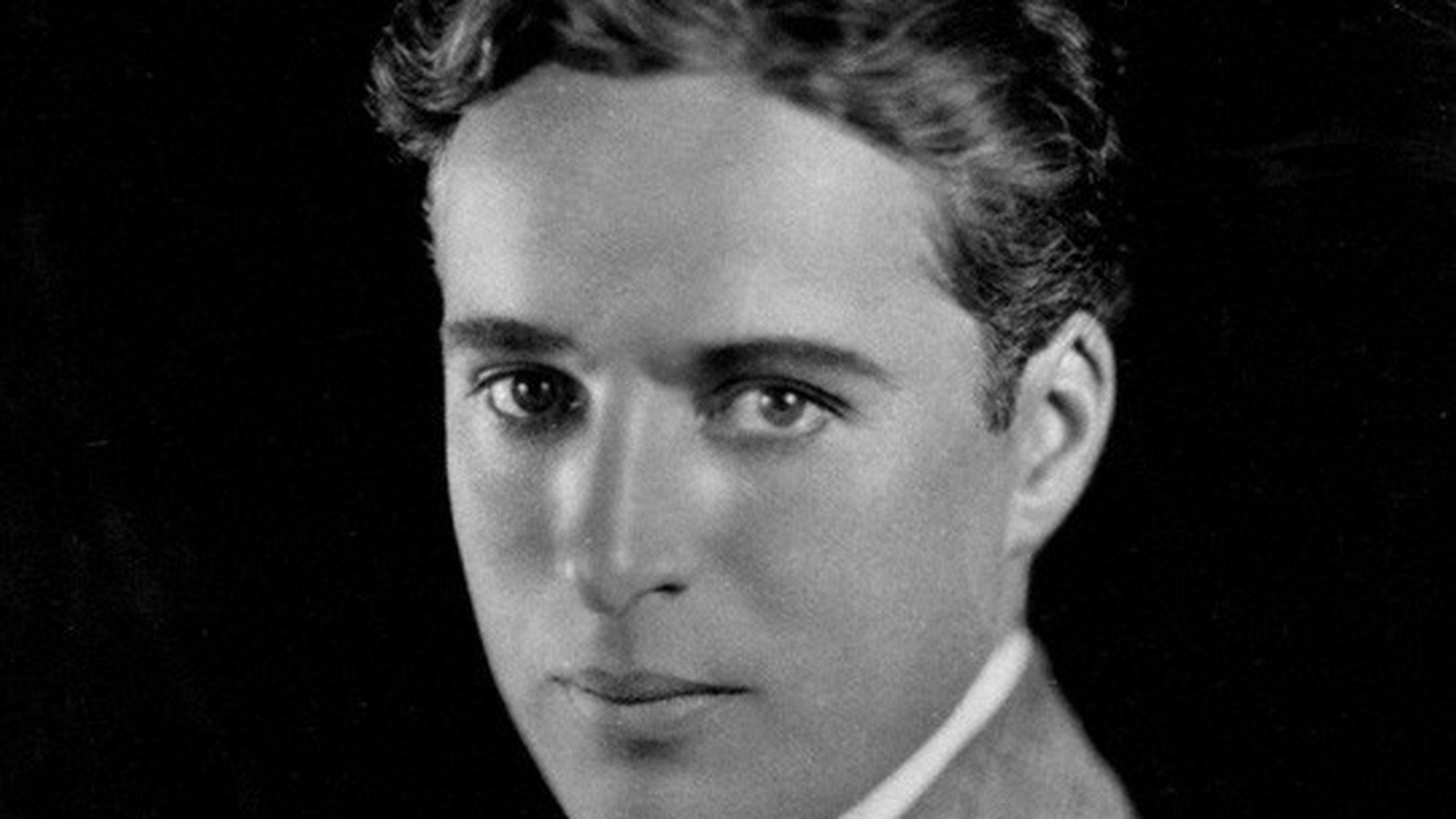
On 19 September 1952, while Charlie Chaplin was at sea bound for Europe, United States Attorney General James P. McGranery announced that the artist would be detained for a hearing if he tried to return. It was not a deportation: Chaplin had already left, with his wife and children, on the Queen Elizabeth for the London premiere of Limelight.
A British citizen, he had lived and worked in the United States for almost four decades without applying for an American passport. He held a re-entry permit issued only months earlier. The announcement came after the ship had left shore — “the minute he gets on the high seas”, his lawyer Lloyd Wright said.
The setting was the anti-communist climate of the early 1950s. Chaplin had been attacked for political views, for refusing citizenship and for private scandals. The FBI had compiled a file; he had not been convicted of illegal political activity. Grounds available in law included “moral turpitude” and political affiliations.
He chose not to attend the hearing. He settled in Switzerland and surrendered the permit in April 1953. In 1957, A King in New York satirised suspicion in the United States. He returned only in 1972, for an honorary Oscar.
The 74th anniversary is about civil liberties and immigration, not a criminal conviction. The accurate formula is that free return was made conditional on a hearing, not that a man already on the Atlantic was “expelled”.
The FBI vault and the Chaplin Office biography keep the chronology. This text holds the date of 19 September 1952 and the distinction between permit, hearing and chosen exile.
Image: Charlie Chaplin / Strauss-Peyton Studio / Wikimedia Commons, public domain. A studio portrait, not the 19 September 1952 announcement. Cropped to 16:9.
Source consulted: 1952: US Immigration slams door on Chaplin | BBC On This Day; Charlie Chaplin | FBI Records: The Vault.








0 Comments
No comments on this article yet. Be the first!