
The Bank of Japan on Friday raised its policy rate from 1% to about 1.25%, the highest level in 31 years. Jiji Press notes that 1.25% was last seen in April 1995. The 7–2 vote was widely expected and aims to limit the risk that underlying inflation stays durably above the 2% target.
Board members Toichiro Asada and Ayano Sato dissented. Asada argued for keeping the rate around 1%; Sato said the moment was not right. The split shows that the pace of normalisation remains contested inside the bank, not only in markets.
Governor Kazuo Ueda said afterwards that the bank does not assume a fixed timetable for further increases. Decisions will depend on inflation, growth and financial conditions. The yen did not automatically strengthen: investors watched the message, not only the 1.25% figure.
A higher rate can restrain lending and demand, but it also raises borrowing costs for households and firms. The new target is due to take effect on Thursday 24 September, after three national holidays.
The three-month gap since the previous increase is, under Ueda, the shortest. The bank did not announce a further step. Wages, energy prices and consumption will weigh at coming meetings.
This article describes the 18 September decision. It does not assume that another increase is already set.
The outcome remains a 25-basis-point step, with two votes against and no guaranteed pace.
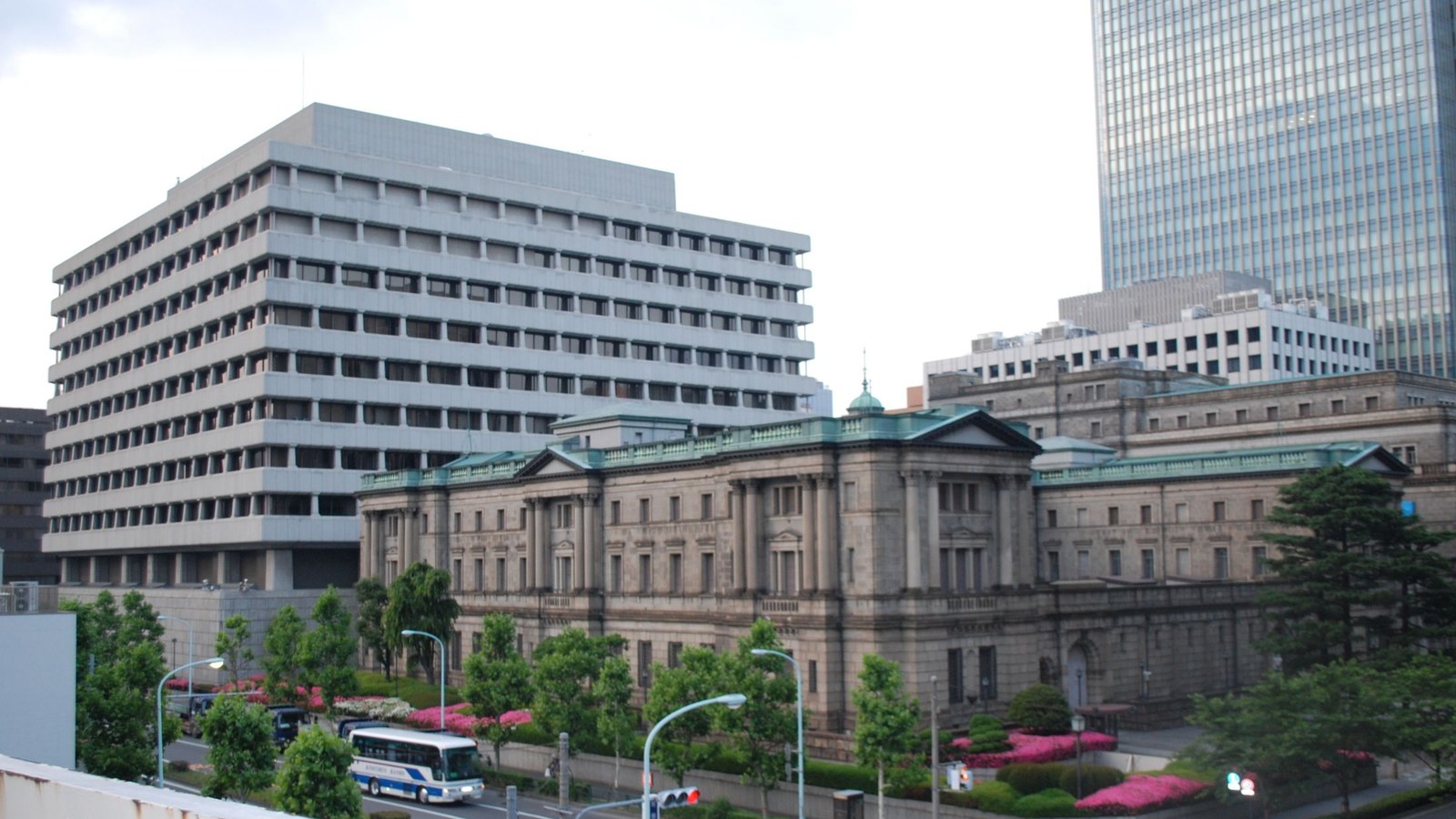
Image: Bank of Japan headquarters, Tokyo / Wikimedia Commons. The building, not Kazuo Ueda’s 18 September press conference. Cropped to 16:9.
Source consulted: BOJ raises interest rates to 31-year high in widely expected move | Reuters; BOJ Decides to Raise Policy Rate to 1.25 Pct | Jiji / Nippon.com.




0 Comments
No comments on this article yet. Be the first!