
The US Environmental Protection Agency has announced the repeal of federal rules that limited greenhouse-gas emissions from coal- and gas-fired power plants. The administration presents the move as a cut in compliance costs and estimates savings of more than $300 billion for the sector. The figure belongs to the EPA, not to an independent audit cited here.
The agency is also proposing a rule that would make it harder for future administrations to reintroduce similar limits. It is a policy shift from previous mandates, not an automatic erasure of state rules or other federal laws.
The coal industry and supporters talk of grid reliability and energy prices. Environmental groups and former officials warn that carbon emissions and other pollutants may rise, with effects on climate and health. The impact is contested; it is not measured in this article.
Companies may keep investing in lower-emission sources for market reasons, not only because of a federal rule. Repeal does not by itself decide the energy mix.
The decision is expected in court. The final effect depends on litigation, the published form of the rule and the reaction of the states.
Until judgments come, the EPA has removed a federal framework; the legal and political argument remains open.
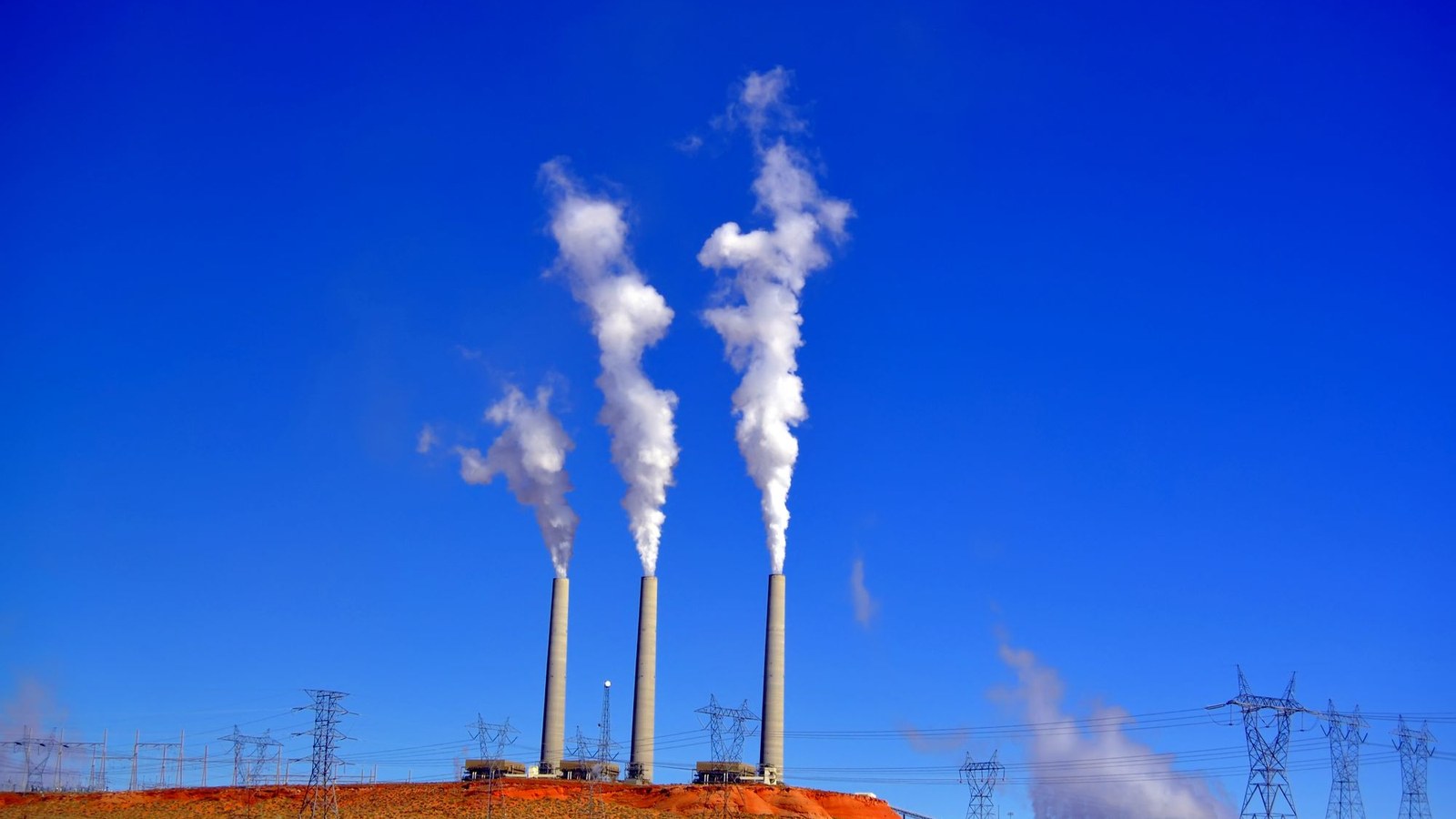
Image: Navajo Generating Station, Arizona / Wikimedia Commons. A US coal plant, not EPA headquarters and not a specific unit named in the rule. Cropped to 16:9.
Source consulted: EPA eliminates rule limiting greenhouse gas emissions from power plants | Associated Press; EPA news releases.









0 Comments
No comments on this article yet. Be the first!