

Hourly labour costs rose by 3.1% in the euro area and 3.2% in the European Union in the second quarter of 2026 compared with the same quarter of 2025, according to Eurostat data released on 16 September. The indicator is not an employee’s take-home pay. It covers wages and other costs borne by employers, excluding vocational training and recruitment spending.
In the euro area, hourly wages and salaries increased by 3.0% and non-wage costs by 3.2%. Across the EU both components rose by 3.2%. By activity, euro-area growth was 2.9% in industry, 3.9% in construction and 3.0% in services. In the EU the corresponding figures were 3.0% in industry, 3.9% in construction and 3.1% in services.
Eurostat also splits the business economy from mainly non-business sectors. In the euro area, hourly costs rose 3.0% in the business economy and 3.1% in the mainly non-business economy. In the EU the increases were 3.1% and 3.3% respectively.
The figures are aggregate and calendar-adjusted. Trends differ by country, sector and cost component. A rise in the employer’s hourly cost does not automatically mean the same increase in every worker’s net wage after tax and contributions.
Labour Cost Index data are revised as new sources arrive. Compared with the 16 June release, the annual rate for the first quarter of 2026 was revised from 3.2% to 3.3% in the euro area and from 3.6% to 3.5% in the EU. Flash estimates for the second quarter had been published on 19 August.
For companies the series describes cost pressure. For households’ real pay it needs to be read with inflation and national developments, which are not set out here. Eurostat publishes the index for the whole economy and NACE branches, not a verdict on every employee’s purchasing power.
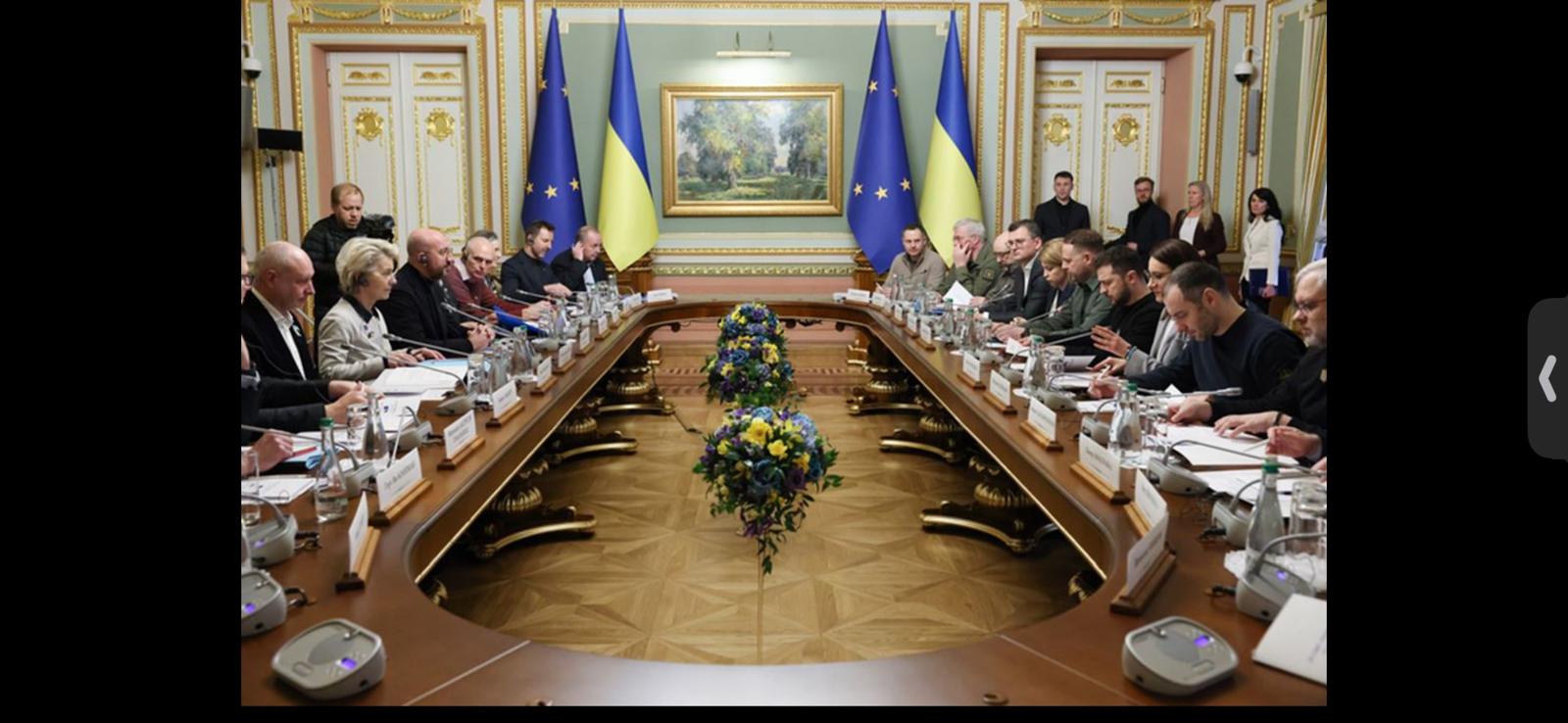
Photo: Thijs ter Haar, Wikimedia Commons, CC BY 2.0. European Union flags. An illustrative photograph, not from the Eurostat release. Cropped to 16:9.
Source consulted: Annual increase in labour costs at 3.1% in euro area (Eurostat).







0 Comments
No comments on this article yet. Be the first!